On April 9, 2026, the Uganda Law Society (ULS) issued a strongly worded statement accusing President Yoweri Kaguta Museveni of unconstitutional interference in the disputed Masaka City Woman Member of Parliament (MP) election. The society warned that the president’s actions undermine the rule of law and could invalidate the declared winner’s seat.
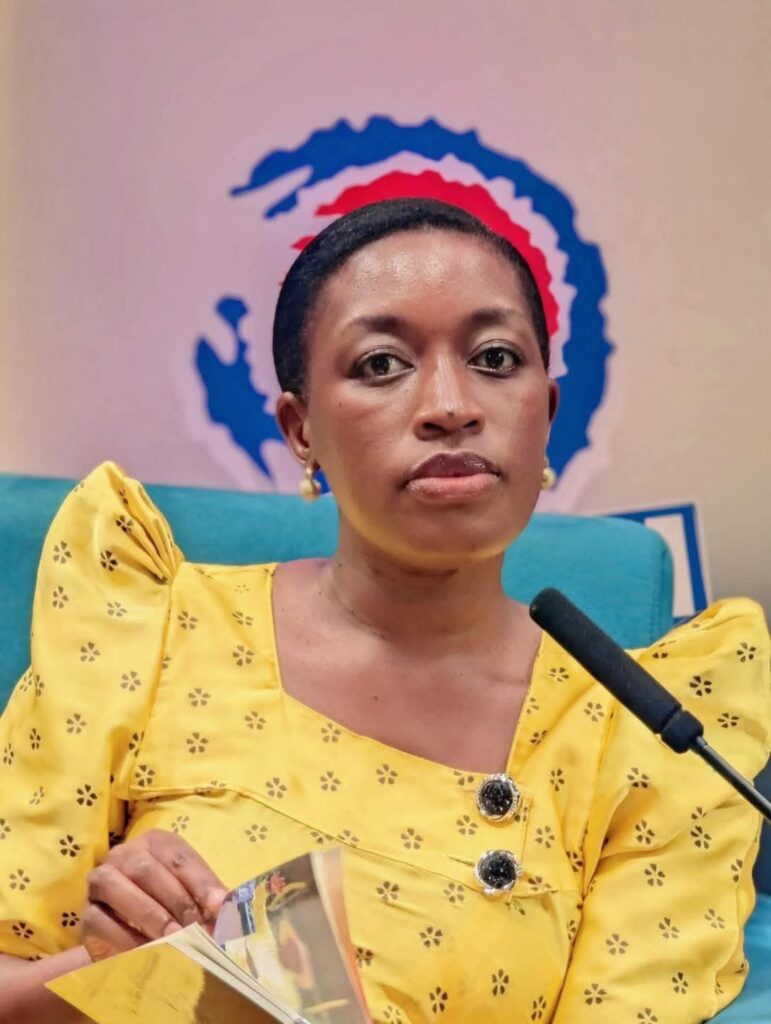
The controversy revolves around Justine Nameere, who was declared the winner of the Masaka City Woman MP seat following a recount of votes. Initial results reportedly favored another candidate, but a subsequent recount overturned them in Nameere’s favor. The reversal sparked tensions within the ruling National Resistance Movement (NRM) and led to petitions challenging the outcome, including allegations of irregularities.
Museveni’s Public Admission
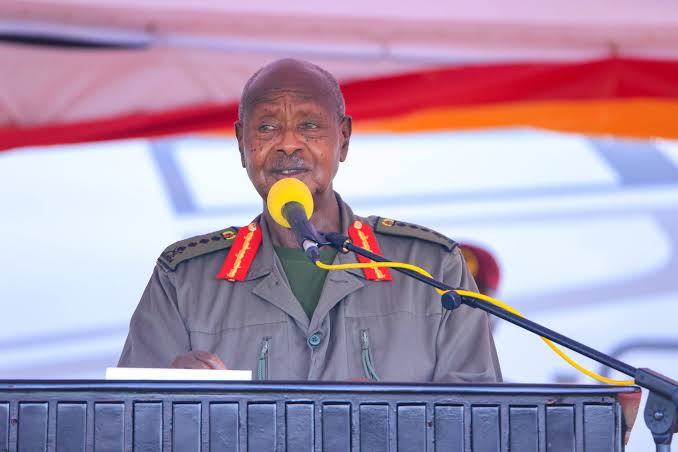
President Museveni publicly addressed the matter during an NRM leaders’ retreat at Kyankwanzi on April 8, 2026. He admitted to personally intervening after Nameere approached him, claiming she faced threats or was “getting killed.” Museveni stated that he directed the recount, framing his involvement as protective and necessary to ensure fairness. Critics, including opposition voices, viewed this as direct executive meddling in an independent electoral process managed by the Electoral Commission (EC) and subject to judicial review.
Key Points from the Uganda Law Society
In a statement signed by ULS Vice President Anthony Asiimwe, the professional body of lawyers in Uganda strongly condemned Museveni’s remarks and actions. The ULS highlighted that:
The president’s intervention constitutes “blatantly unconstitutional” interference in the electoral process.
Such actions violate the principle of separation of powers and the independence of the Electoral Commission and judiciary.
Museveni’s conduct “renders Justine Nameere’s election invalid” due to “self-evident interference.”
The remarks threaten Uganda’s constitutional order and the rule of law.
The society emphasized that elections must remain free from executive influence to maintain public trust in democratic institutions.
Constitutional and Legal Context
Under Uganda’s 1995 Constitution, sovereignty is vested in the people, exercised through regular, free, and fair elections. The Electoral Commission is established as an independent body to organize and conduct elections without interference. The executive, including the president, has no constitutional role in directing vote recounts or resolving election disputes—responsibilities reserved for the EC and courts.
Legal analysts argue that presidential intervention, even if framed as “fixing” an issue, blurs these lines and sets a dangerous precedent. If proven, such interference could provide grounds for the High Court to nullify the election result during pending petitions.
Broader Implications for Uganda’s Democracy
This episode underscores recurring debates about the balance of power in Ugandan politics, especially during election cycles. Masaka, historically a contested region with strong opposition presence, has seen multiple court challenges in recent parliamentary elections.
The ULS’s intervention adds weight as a non-partisan voice from the legal fraternity, which has consistently defended constitutionalism and electoral integrity. How the courts handle the Masaka MP dispute could have long-term implications for public confidence in Uganda’s electoral system, highlighting tensions between political stability, as argued by Museveni’s supporters, and strict adherence to constitutional boundaries, as insisted by the ULS and other critics.
As of April 9, 2026, the matter remains under judicial scrutiny, with petitions expected to determine the legitimacy of Nameere’s victory.
Also Read
Museveni to Be Sworn in for Seventh Term on May 12 at Kololo Ceremonial Grounds
Uganda Plans to Launch Two New Satellites for Security and Broadcasting – Museveni