Agnes Nandutu Found Guilty of Dealing with Suspect Government Property
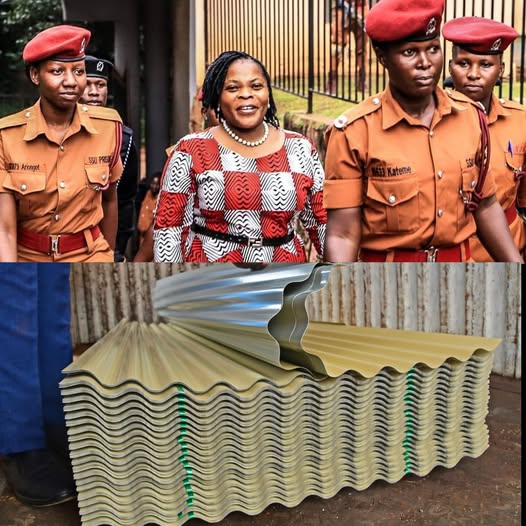
On April 8, 2026, the Anti-Corruption Division of the High Court in Kampala convicted former State Minister for Karamoja Affairs and Bududa District Woman MP, Agnes Nandutu, for dealing with suspect government property. The case centered on 2,000 pre-painted iron sheets, marked “Office of the Prime Minister,” originally intended for vulnerable communities in the Karamoja sub-region.
Nandutu’s conviction comes after a lengthy legal process that highlighted serious concerns over the diversion of public resources meant for impoverished populations. The ruling was delivered by Justice Jane Okuo Kajuga, who determined that Nandutu had reason to believe the property was not lawfully allocated to her.
The scandal, which first emerged as a major corruption controversy in Uganda, involved senior government officials and members of the ruling National Resistance Movement (NRM). The iron sheets were part of a public programme aimed at providing roofing materials to disadvantaged families in Karamoja, a region rich in minerals but plagued by poverty and insecurity.
Court records show that between June and July 2022, Nandutu knowingly received and retained the diverted iron sheets. Some 1,617 of the sheets were later recovered from her farm in Mukono, while the remaining materials reportedly went missing. The prosecution presented multiple witnesses, including officials from the Office of the Prime Minister, demonstrating beyond reasonable doubt that Nandutu’s actions violated Section 21A(1) of the Anti-Corruption Act.
The Conviction and Immediate Consequences
In her ruling, Justice Kajuga stated: “I accordingly convict her of the offence.” Following the guilty verdict, Nandutu’s bail was cancelled, and she was immediately remanded to Luzira Prison in Kampala. She will remain in custody until April 10, 2026, when the court will hear mitigation and issue sentencing.
The conviction marks a significant moment in the broader iron sheets scandal, which implicated multiple high-profile figures. It reflects ongoing efforts by Uganda’s Anti-Corruption Court to hold officials accountable for the misuse of public resources, particularly those meant for vulnerable populations.
Public Accountability and Political Implications
The case underscores the challenges of ensuring accountability among senior government officials in Uganda. Karamoja, despite its mineral wealth, remains one of the country’s most disadvantaged regions, making the diversion of aid particularly egregious in public perception. While some view the conviction as a step toward justice and deterrence against graft, others see it within the context of selective accountability in political circles.
As the nation awaits sentencing on April 10, 2026, the final penalty could include imprisonment, fines, or both, depending on the court’s assessment of mitigating and aggravating factors. The story has generated widespread public discussion, reported by major outlets including Daily Monitor and NBS Television, highlighting continued scrutiny of corruption and governance in Uganda.
Also Read
Horror in Ggaba as Nursery School Stabbing Leaves Four Children Dead
Hamis Kiggundu Admits Role in Owino Market Demolition, Offers Compensation to Traders