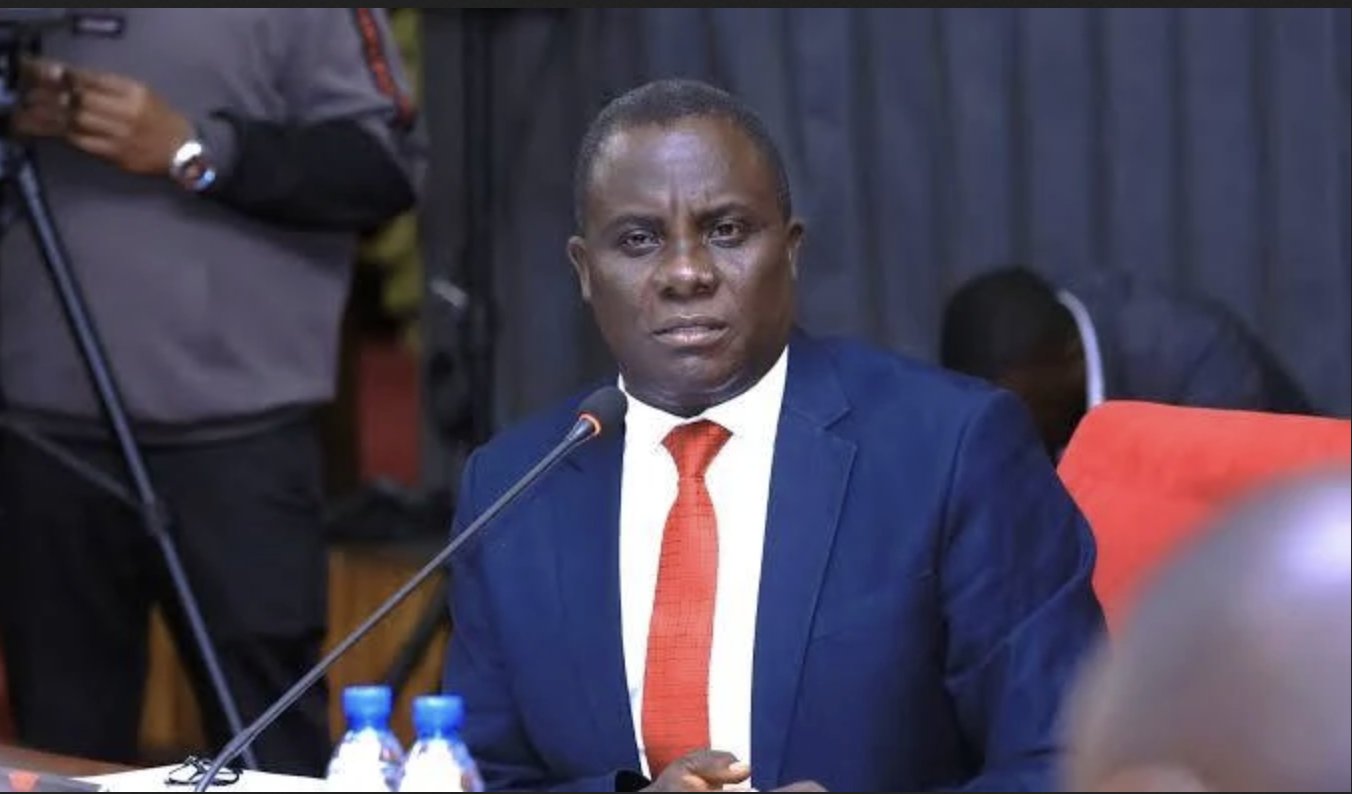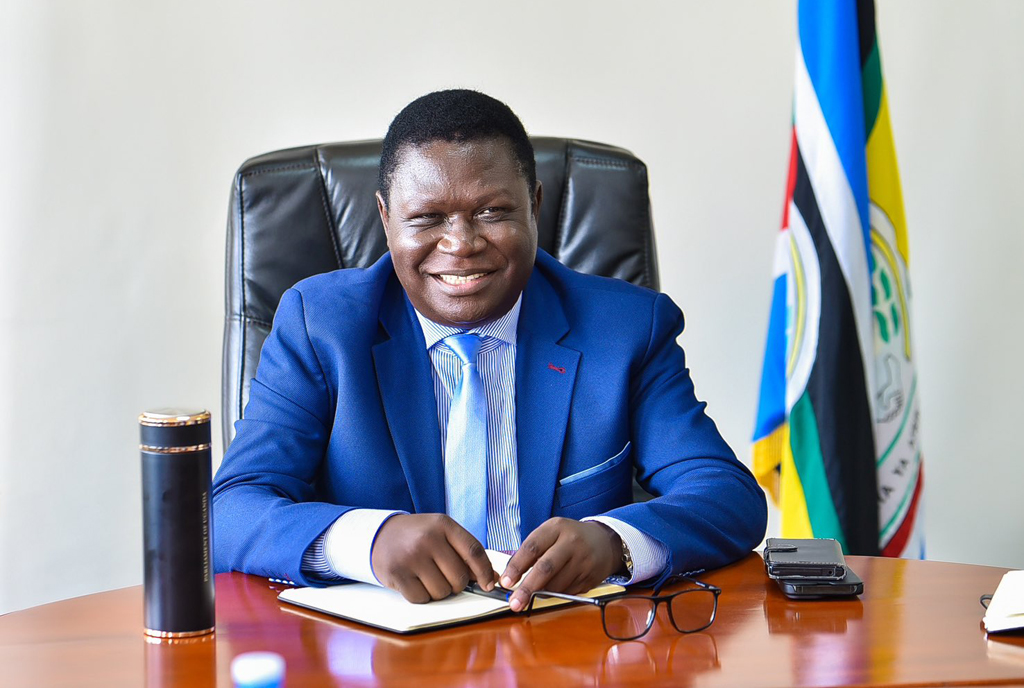
Norbert Mao, President General of the Democratic Party (DP) and Uganda’s Minister of Justice and Constitutional Affairs, has officially declared his candidacy for Speaker of the 12th Parliament. His announcement adds new momentum to what is shaping up to be a highly competitive and politically significant race ahead of the new Parliament’s first sitting in May 2026.
Mao made his declaration on February 24, 2026, during a press conference at the Democratic Party headquarters in Kampala. The Laroo-Pece MP-elect said he had concluded a nationwide consultation process that involved discussions with fellow MPs-elect, regional stakeholders, and President Yoweri Museveni.
“The consultation phase is now over. I have listened to Ugandans from different regions, and I am ready to offer myself for the position of Speaker of Parliament,” Mao told journalists.
A Seasoned Political Career
Mao brings decades of political experience to the race. He previously represented Gulu Municipality in Parliament from 1996 to 2006, earning recognition as a vocal debater and anti-corruption advocate. From 2006 to 2011, he served as Gulu District LCV Chairman, playing a visible role in post-conflict recovery efforts in northern Uganda during and after the Lord’s Resistance Army insurgency.
He has led the Democratic Party since 2010 and contested Uganda’s presidency in 2011 and 2021. In 2022, President Museveni appointed him Minister of Justice and Constitutional Affairs under a formal cooperation agreement between the DP and the ruling National Resistance Movement (NRM). Mao confirmed that he formally notified the NRM chairman of his intention to contest for Speaker, citing respect for the existing political arrangement.
Campaign Focused on Accountability and Reform
At the heart of Mao’s campaign is a pledge to strengthen parliamentary independence and tackle what he describes as “grand corruption” systemic abuse of public office that undermines service delivery and public trust.
“Ugandans are not yet in a very good position to check abuse of power,” Mao said. “That is a war we still have to wage. And the greatest abuse of power is manifested through corruption.”
If elected, he has vowed to prioritize transparency and rebuild public confidence in Parliament as an effective check on the executive branch.
Mao has also revived proposals for structural reform, including the introduction of a bicameral legislature. Under his proposal, a Lower House would be elected through proportional representation, while an Upper House would consist of equal representation from sub-regions, regardless of population size a model he says would strengthen oversight and promote national balance.
Despite launching his bid, Mao has urged supporters not to mount elaborate campaigns on his behalf, insisting that his political record and experience are sufficient credentials.
A Crowded Speakership Contest
Mao joins a field of prominent contenders vying for the influential position in Uganda’s 12th Parliament.
Among them is Anita Among, the incumbent Speaker and Bukedea Woman MP, who has reportedly received backing from the NRM Central Executive Committee. Other declared aspirants include Persis Namuganza, State Minister for Lands; Lydia Wanyoto Mutende, Mbale City Woman MP-elect and former diplomat; and Alioni Yorke Odria, Aringa South MP.
The Speaker will be elected by secret ballot during the first sitting of Parliament, under the supervision of the Chief Justice or a designated judge. A simple majority of votes cast will determine the winner.
Political Implications
Mao’s candidacy introduces a complex dynamic into the race. While he serves in Cabinet under a cooperation agreement with the NRM, his campaign rhetoric emphasizes parliamentary independence and institutional reform themes that could resonate with MPs seeking a stronger oversight role.
At the same time, questions remain about how his bid will be received within ruling party circles and among opposition factions. The contest is unfolding amid broader national conversations about accountability, governance reform, and the balance of power between Parliament and the executive.
As Uganda prepares to inaugurate its 12th Parliament following the 2026 general elections, the race for Speaker is emerging as one of the most consequential political battles of the year. Whether Mao’s reform-focused message can secure the necessary majority support will become clear when lawmakers cast their ballots in May.