The local government elections held on Tuesday, January 27, 2026, for Municipality Chairpersons and Division Councillors were defined by two contrasting themes: a technical triumph for the Biometric Voter Verification Kits (BVVKs) and a notably low voter turnout across the country.
While polling stations officially closed at 4:00 PM to begin the tallying process, the conversation on the ground centered on the sudden efficiency of a system that many had previously doubted.
A Seamless Technical Experience
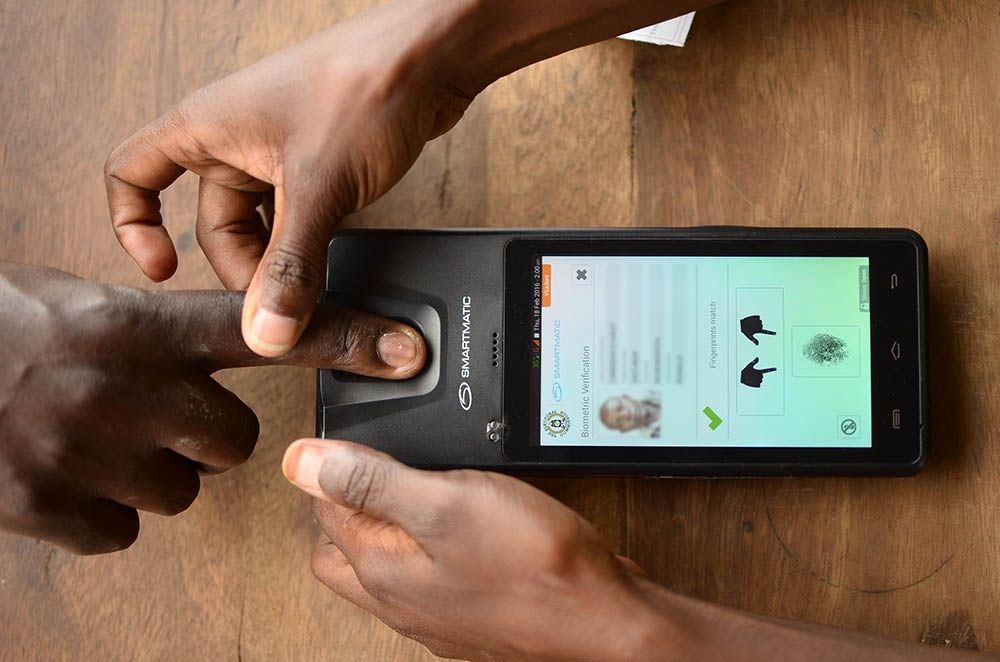
Unlike the presidential and parliamentary polls held earlier this month—which were marred by reports of technical glitches—the BVVK machines functioned with near-perfect efficiency on Tuesday. In areas like Kira Municipality, Nansana, and Nabweru, voters reported that biometric details were captured on the first attempt.
“I came, verified my details in seconds, voted, and went back to work,” said one voter in Nansana. “There was no confusion like last time.”
Election officials and Presiding Officers, including an official named Daphine, noted that the process was “smooth, orderly, and free from irregularities.” Daphine highlighted a key difference in this round, stating, “Last time we used backup; now they brought the real machines.”
Why the Sudden Efficiency?
The seamless operation of the BVVKs has sparked a national debate. Many voters are questioning why the same technology struggled during the high-stakes presidential and parliamentary elections.
Several theories have emerged among the electorate:
-
Internet Connectivity: Some voters attributed previous failures to the internet shutdowns imposed during earlier polls, suggesting the lack of interference allowed the BVVKs to function as intended this time.
-
System Upgrades: Others believe the Electoral Commission (EC) deployed “real” machines rather than relying on the backup systems used previously.
-
Lower Load: With a lower turnout, the system faced less stress than during the general elections.
As of press time, the Electoral Commission has not issued an official explanation regarding this significant improvement in machine performance.
Low Turnout Amidst High Security
Despite the technological success, the “big numbers” seen in previous weeks were missing. Voting began slowly across most parts of the country, with voters trickling in “one by one.”
-
Orderly Process: Security personnel were deployed nationwide to maintain calm, though the atmosphere remained peaceful due to the lack of chaotic scenes or technical delays.
-
Integrity Measures: Electoral officials credited the BVVKs for minimizing cases of impersonation and multiple voting, which bolstered public confidence in the transparency of the local council results.
What’s Next?
As tallying continues at various polling stations, candidates and the public are now awaiting the official declaration of results. While the BVVKs have successfully restored some level of faith in the technical integrity of the vote, the contrast in performance between the local and national elections remains a point of intense public scrutiny.