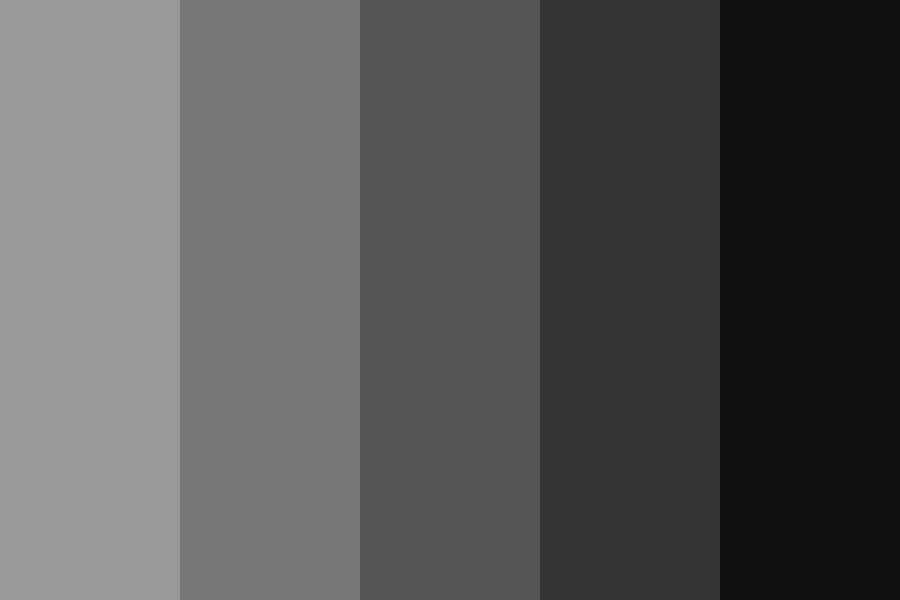
If you lived through the 2010s, chances are you’ve encountered it everywhere on walls, sofas, cabinets, rugs, and even entire apartment complexes. Welcome to the era of millennial gray, the soft, moody neutral that quietly took over interior design and somehow became the defining aesthetic of an entire generation.
For millennials trying to create stylish homes without taking huge risks, gray felt like the perfect solution. It was modern, safe, and effortlessly Instagram-friendly. But over time, the color palette became so dominant that younger generations especially Gen Z started poking fun at it, labeling it everything from “sad beige” to the infamous “landlord special.”
So how did gray become the unofficial color of a generation?
Millennial gray isn’t just one shade it’s a whole family of neutrals. Think cool-toned grays with subtle blue undertones, warmer “greige” tones that sit somewhere between gray and beige, and deeper charcoal shades used for contrast.
Designers loved it because it worked everywhere. A light gray wall paired well with darker furniture. Gray couches hid everyday wear and tear. And neutral tones made it easy to add decorative accents without clashing colors.
One particular paint color Sherwin-Williams’ famous Agreeable Gray became a go-to choice for homeowners, house flippers, and landlords alike. At one point, it seemed like every newly renovated apartment had the exact same gray walls.
Why Millennials Fell in Love with Gray
The rise of millennial gray didn’t happen randomly. In many ways, it was a reaction to the design trends that came before it.
Homes in the late 1990s and early 2000s were filled with bold earth tones terracotta, Tuscan gold, olive greens, and heavily textured walls. For a generation craving something cleaner and more minimal, gray offered a fresh start.
It also fit perfectly with the rise of social media. Neutral backgrounds looked great in photos, making gray interiors ideal for Instagram posts and lifestyle blogs.
There was also a practical side. Gray felt calming, modern, and versatile. You could easily swap out pillows, rugs, or decorations without repainting the entire room.
The Iconic Millennial Gray Living Room
Many millennial homes ended up with a similar look:
-
Gray sectional sofa as the centerpiece
-
Light gray walls paired with darker furniture
-
Neutral rugs and curtains
-
Matte black accents or industrial-style lighting
-
A few green houseplants for contrast
It created a clean, cohesive aesthetic but after a while, some spaces started looking a little too similar. Entire homes appeared to exist in different shades of gravel.
When Gen Z Entered the Chat
As younger homeowners and renters began experimenting with brighter interiors, the internet started roasting the gray trend.
Gen Z creators on platforms like TikTok began calling it “sad beige” and joking that millennial homes looked like filtered black-and-white photos. Their alternative? Bold colors, playful patterns, and what they call “dopamine decor.”
The contrast between the minimalist millennial aesthetic and the colorful Gen Z style sparked countless online debates and memes.
Is Millennial Gray Actually Bad?
Not at all. In fact, gray can still look fantastic when used thoughtfully.
Interior designers say the key is balance. Instead of filling every surface with gray, mix it with warmer tones and textures. Wood furniture, soft fabrics, and colorful accents can instantly make a gray space feel more inviting.
A few simple upgrades include:
-
Adding natural wood elements like oak or walnut
-
Layering textures such as linen, wool, or boucle
-
Introducing pops of color with pillows, art, or plants
-
Choosing warmer greige tones instead of icy gray
Done right, gray still offers a calm, sophisticated base for a beautiful home.
The Future of Gray
By 2026, interior design trends are shifting again. Many millennials are gradually adding warmer colors like terracotta, sage green, and ochre to their spaces. Meanwhile, Gen Z is fully embracing maximalist styles with bold patterns and vibrant palettes.
But gray isn’t disappearing completely. Instead, it’s evolving into a more intentional neutral used as a foundation rather than the entire color story.
In other words, millennial gray may have been overused, but it still has a place in modern design.
And for a generation that survived economic crashes, student loans, and endless hustle culture, maybe a calm, neutral home wasn’t such a bad idea after all.