Pentagon Shakeup as Army Chief Is Forced to Retire
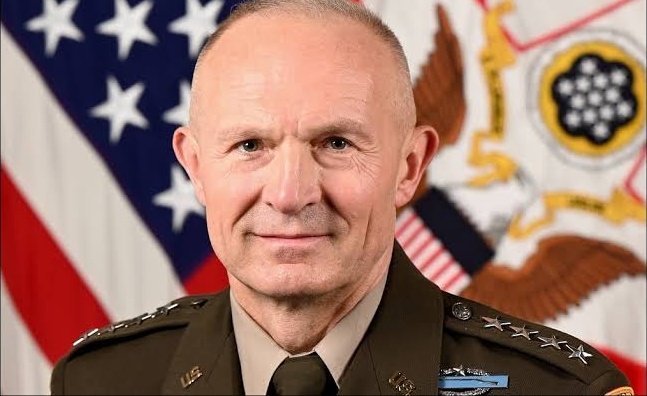
US Secretary of War Pete Hegseth has asked several senior Army leaders to step down, with Army Chief of Staff Randy George being the most prominent figure forced into immediate retirement. The move is part of a broader leadership shakeup at the Pentagon under the administration of Donald Trump.
Reports that surfaced in early April 2026 indicate that Hegseth directly requested Gen. George to retire immediately, a decision later confirmed by Pentagon officials. The Department of War’s chief spokesperson stated that George had retired effective immediately and thanked him for his decades of service, describing the move as a necessary leadership change within the Army.
Background on Pete Hegseth
Pete Hegseth, a former Army National Guard infantry officer and media personality, was sworn in as the 29th US Secretary of Defense on January 25, 2025, before the department was redesignated as the Department of War. He previously served in Iraq, Afghanistan, and Guantanamo Bay and has been vocal about reforming the US military structure.
His leadership priorities include restoring what he calls a “warrior ethos” in the military, improving trust within the armed forces, streamlining weapons acquisition, and strengthening deterrence against China in the Indo-Pacific region. He has also emphasized ending ongoing conflicts responsibly while focusing on combat readiness and traditional warfighting capabilities.
Push for Leadership Alignment in the Army
According to defense officials, the decision to remove Gen. George was not tied to a specific incident but was instead driven by the need for leadership aligned with the administration’s military vision. The Pentagon reportedly wants leaders who will aggressively implement policies focused on combat readiness, merit-based advancement, and traditional warfighting priorities.
The move also reflects criticism from some political and military circles regarding policies seen as overly bureaucratic or focused on diversity and inclusion initiatives rather than battlefield effectiveness. Supporters argue that the changes are necessary to refocus the Army on its core mission of national defense.
Acting Army Chief Steps In
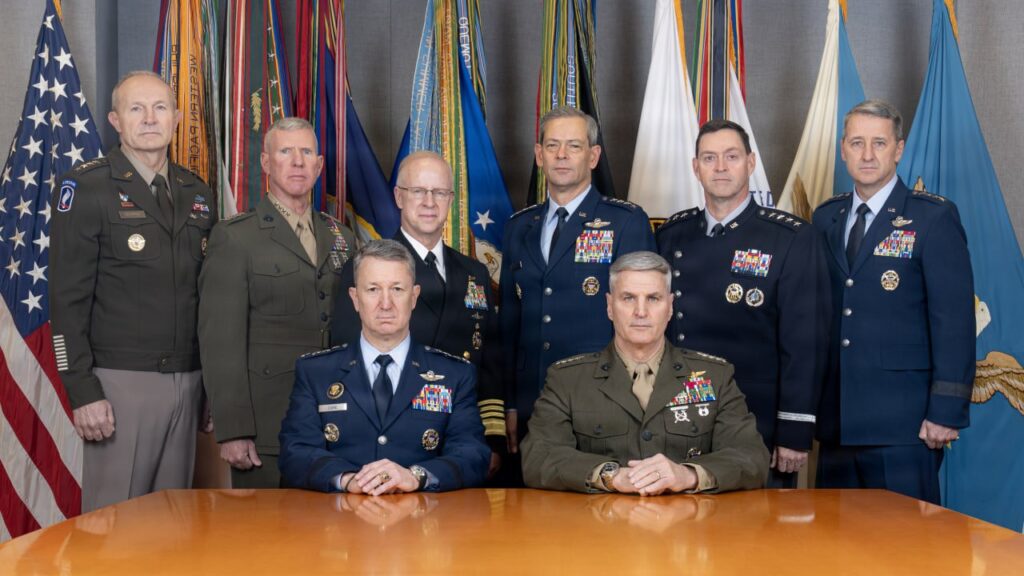
Following Gen. George’s retirement, Christopher LaNeve has taken over as acting Army Chief of Staff. LaNeve, who previously served as Hegseth’s military aide and Vice Chief of Staff, is expected to oversee the transition while the administration continues its restructuring of senior military leadership.
In a farewell message, Gen. George reportedly emphasized that US soldiers deserve courageous leaders of character, highlighting the importance of strong leadership during a period of global tension.
Growing Concerns Over Military Stability
The decision has sparked debate among military experts and former commanders. Retired general Mark Hertling described the move as a possible purge that could destabilize the military, especially at a time when US forces are actively engaged in operations in the Middle East.
Critics warn that removing experienced leaders during ongoing military operations could affect continuity and morale within the armed forces. Others argue that such actions risk weakening institutional stability and established civilian-military norms.
Supporters See a Necessary Reset
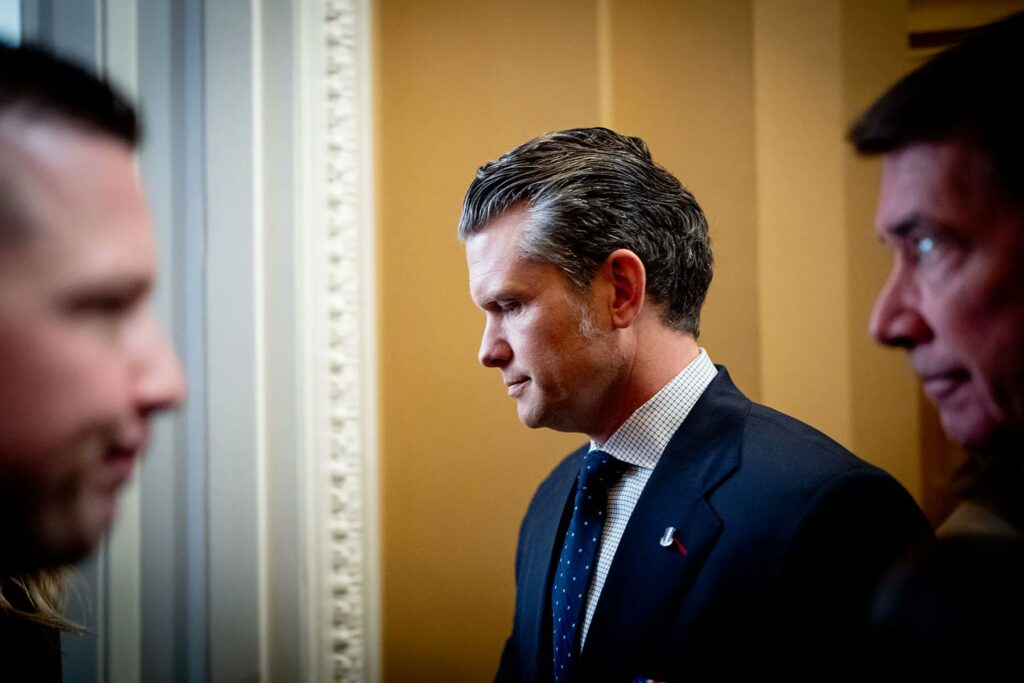
Supporters of the move argue that reshaping Pentagon leadership is essential to restoring a combat-focused culture in the Army. They believe replacing senior officers who resist reform will help strengthen mission effectiveness and improve military readiness in an increasingly tense global environment.
The leadership overhaul is part of a broader effort by the Trump administration to reshape the US military and ensure that senior commanders align closely with national defense priorities.
Broader Implications for the Pentagon
The forced retirement of Gen. Randy George and other senior officers signals a major shift in Pentagon leadership strategy. With more than a dozen high-ranking officers reportedly dismissed or pushed out since 2025, the administration appears committed to restructuring the military command structure.
As the United States continues operations in the Middle East and faces rising global tensions, the long-term impact of these leadership changes remains uncertain. Whether the overhaul strengthens the Army or creates internal turbulence is still a subject of intense debate in Washington and within military ranks.
Also Read
Pete Hegseth Defense Fund Controversy Sparks Insider Trading Concerns After Financial Times Report