Escalation in May 2026 raises fears over global oil supply and regional stability
Tensions between the United States and Iran have escalated sharply in early May 2026 around the Strait of Hormuz. The waterway handles a large share of global seaborne oil trade, making it one of the most sensitive maritime routes in the world.
The latest developments mark the most direct naval confrontation since a ceasefire took effect in April. That truce had paused wider hostilities but did not resolve underlying disputes over shipping control and regional influence.
Operation “Project Freedom” and US Escort Missions
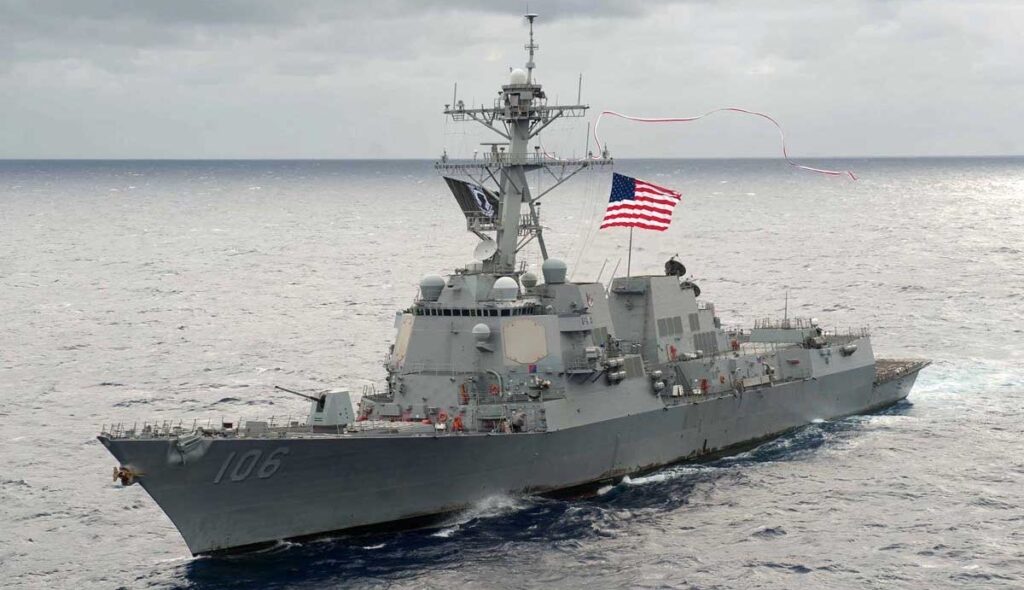
The US launched an operation known as Project Freedom to secure passage for commercial shipping through the strait. Under this initiative, US naval forces began escorting merchant vessels, including American-flagged ships, through high-risk waters.
The move aimed to restore maritime traffic and challenge Iranian interference in the region. US Central Command stated that the objective focused on maintaining freedom of navigation for global energy shipments.
Iranian Response and Maritime Confrontations
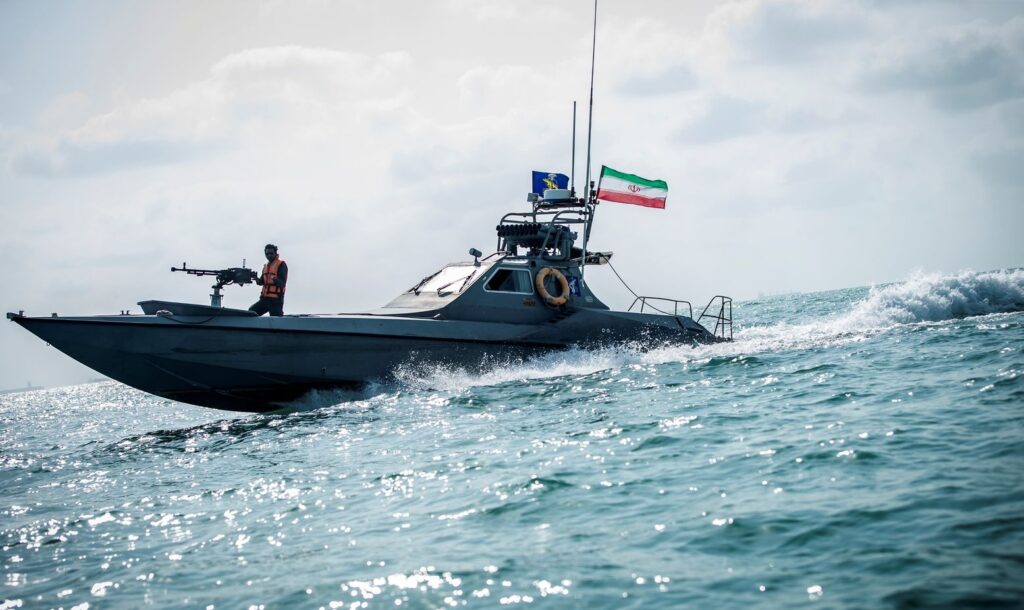
Iran responded with missile launches, drone attacks, and fast-boat operations targeting US naval escorts and nearby commercial vessels. Iranian forces also attempted to disrupt shipping lanes during the transit operations.
In response, US warships intercepted incoming missiles and drones. American helicopters engaged Iranian small boats that approached protected vessels, with several craft destroyed during the encounters.
US officials reported that two commercial vessels completed transit through the strait under naval protection. Iranian authorities disputed aspects of the US account, but most independent reports confirmed successful escorts.
Strikes Extend to Gulf Allies
The confrontation extended beyond the strait. Missile and drone activity affected areas within the United Arab Emirates, including the port region of Fujairah.
A fire broke out at an oil facility after incoming threats were partially intercepted by air defenses. Authorities reported minor injuries and limited damage. The UAE has since increased security around key energy infrastructure.
Rising Risk to Regional Stability
The escalation has raised concerns that the April ceasefire could collapse. Gulf states have expressed alarm over the widening scope of attacks, particularly as shipping routes and energy facilities face simultaneous pressure.
Diplomatic channels remain active, but tensions continue to rise as both sides maintain firm positions. The US accuses Iran of destabilizing maritime trade, while Iran argues that US escorts violate its territorial influence in the strait.
Global Economic and Energy Impact
The Strait of Hormuz remains central to global energy flows. Disruptions in the area have already contributed to volatility in oil prices and higher insurance costs for shipping companies. Markets continue to react to each escalation, reflecting concerns over supply security.
Energy-importing countries are particularly exposed to fluctuations caused by instability in the Gulf. Any sustained disruption could tighten global supply conditions further.
A Pattern of Maritime Confrontation
The current standoff follows decades of naval friction between the US and Iran in the Gulf region. Previous incidents included tanker seizures, fast-boat harassment, and limited clashes involving commercial shipping.
The difference in 2026 lies in scale and timing. The current confrontation follows earlier strikes and a broader conflict that temporarily paused under a ceasefire, making renewed clashes more significant for regional security.
Uncertain Outlook
As of May 5, 2026, the situation remains fluid. Both sides continue military operations in contested waters while issuing warnings against further escalation. Diplomatic efforts may determine whether tensions stabilize or expand into wider conflict.
The outcome will influence not only regional security but also global energy stability, with the Strait of Hormuz remaining at the center of international attention.
Also Read
US Iran Conflict Shakes Global Energy Markets and Pressures African Economies
Iranian Strikes Hit Fujairah Oil Terminal as Gulf Tensions Rise