Britain Moves to Coordinate Global Response to Shipping Crisis
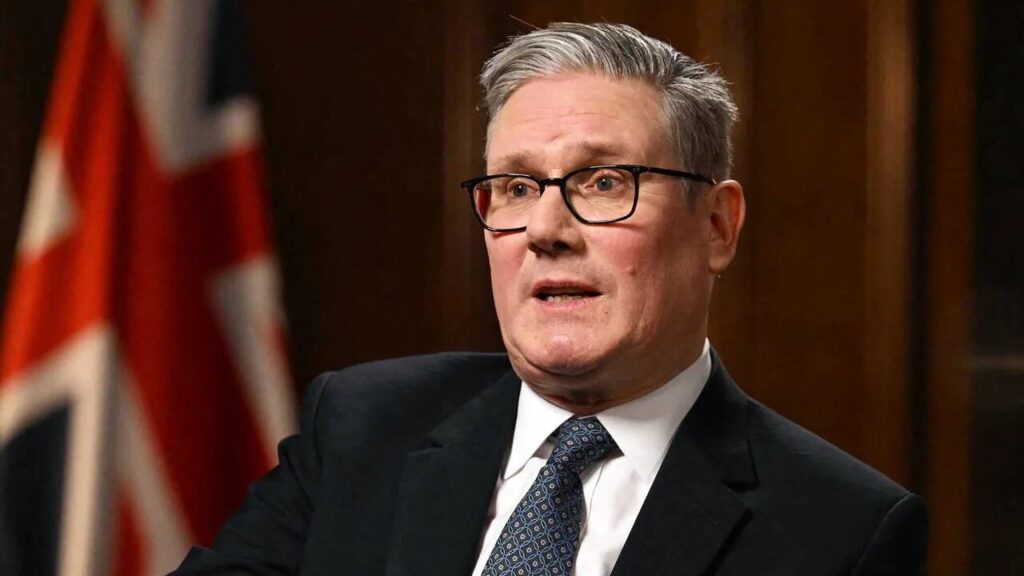
UK Prime Minister Keir Starmer announced on April 1, 2026, that Britain will host a virtual meeting of around 35 countries this week to discuss reopening the Strait of Hormuz, one of the world’s most critical energy shipping routes.
The meeting, expected to take place on Thursday, will be convened by Foreign Secretary Yvette Cooper as part of a coordinated international effort to restore maritime access amid the ongoing Middle East conflict involving Iran. The move signals a major diplomatic push by the UK to stabilize global energy flows and prevent further economic disruption caused by the ongoing crisis in the Gulf region.
Why the Strait of Hormuz Is So Important
The Strait of Hormuz connects the Persian Gulf to the Gulf of Oman and serves as the primary route for roughly one-fifth of the world’s oil supply and a significant portion of liquefied natural gas (LNG). Major energy producers including Saudi Arabia, Iraq, United Arab Emirates, Kuwait, and Qatar rely on this route to transport oil and gas to global markets.
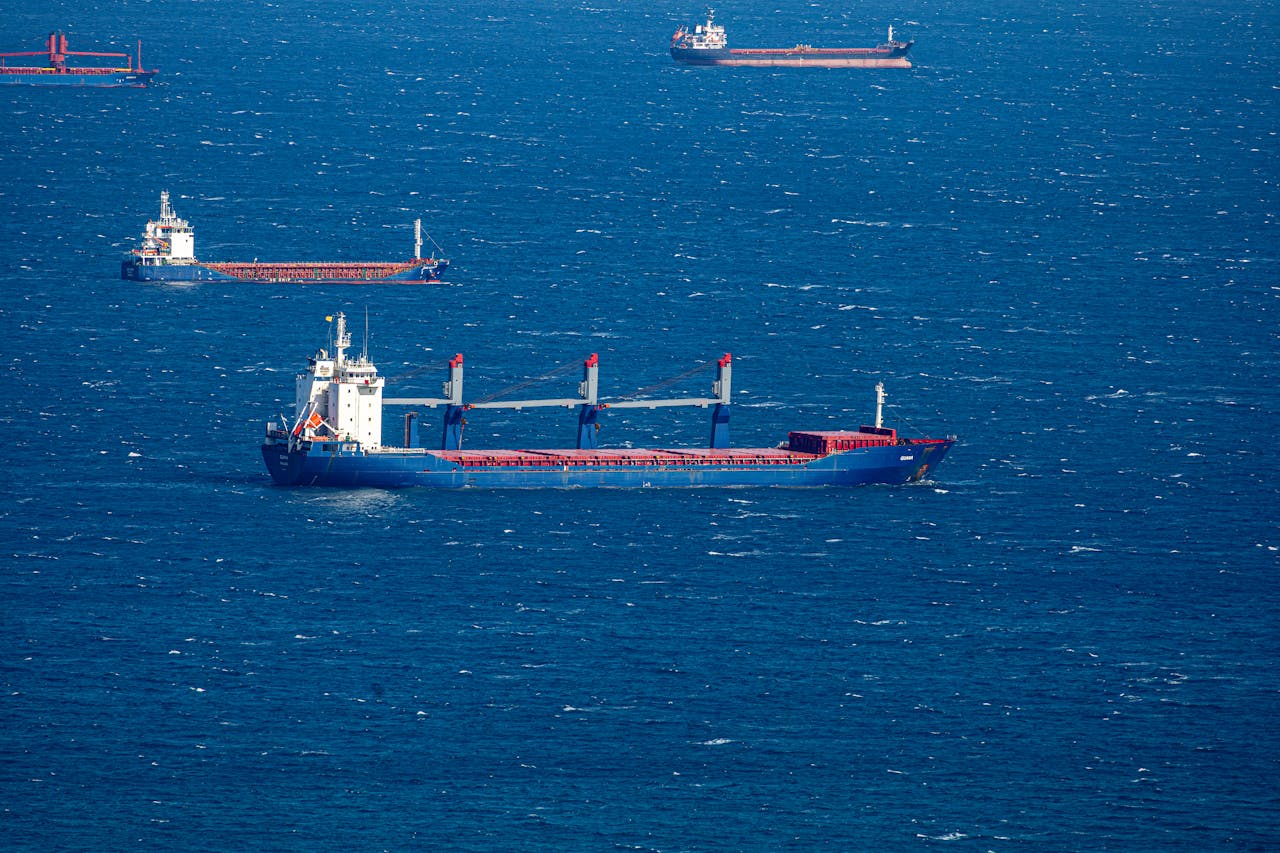
Since late February 2026, following joint military actions by the United States and Israel against Iran, Iranian forces have effectively disrupted commercial shipping in the strait. Vessel traffic has reportedly dropped by more than 90 percent, with many tankers trapped, rerouted, or avoiding the area due to rising security threats. The disruption has caused global energy prices to surge, contributing to inflation, higher fuel costs, and increasing food prices across many countries, including the UK.
Starmer’s Plan to Reopen the Shipping Route
Speaking at a Downing Street press conference, Keir Starmer said Britain has already rallied 35 nations around a joint statement on maritime security, building on cooperation with countries such as France, Germany, Italy, Netherlands, and Japan.
The upcoming virtual meeting will focus on several key objectives:
- Assess diplomatic and political measures to restore freedom of navigation
- Ensure the safety of trapped ships and seafarers
- Resume the flow of vital commodities such as oil and gas
Starmer emphasized that the UK prefers a collective international approach rather than unilateral military action. He noted that military planners would be consulted on how to make the strait safe if conditions improve, but reiterated that Britain will not be drawn directly into the Iran conflict. He also pushed back against calls for a NATO-led mission, favoring a broader coalition involving European and Gulf partners.
Diplomatic Strategy Over Military Escalation
The UK’s approach highlights a focus on diplomacy and multilateral coordination instead of direct military involvement. Keir Starmer acknowledged that reopening the strait would be challenging but stressed that coordinated global action offers the best path to reducing tensions and restoring economic stability.
The UK has already engaged with G7 allies and held discussions with Donald Trump, who has also emphasized the importance of reopening the strait and stabilizing global energy supplies. Possible future measures under discussion include coordinated naval escorts, minesweeping operations, and diplomatic pressure aimed at de-escalation.
Rising Global Energy Security Concerns
The crisis in the Gulf has intensified global concerns about energy security, especially after previous maritime protection efforts in the Red Sea struggled to fully contain attacks by regional armed groups. Iran’s strategic position, combined with its military capabilities including naval mines and anti-ship missiles, makes securing the Strait of Hormuz significantly more complex. Analysts warn that any operational intervention could increase tensions in an already volatile region, making diplomatic coordination essential.
Global Economic and Political Implications
The outcome of the upcoming meeting could have far-reaching consequences.
Economic impact: Reopening the strait could stabilize oil markets, reduce fuel prices, and ease inflation pressures affecting households and industries worldwide.
Geopolitical impact: The initiative tests the UK’s post-Brexit diplomatic influence and its ability to coordinate multinational coalitions.
Security risks: Any naval or enforcement measures could escalate tensions with Iran and widen the regional conflict.
The virtual meeting later this week is expected to shape the next phase of international maritime security efforts in the Gulf. If successful, the initiative could pave the way for safer shipping routes, stabilized energy markets, and reduced geopolitical tensions. If not, the disruption in the Strait of Hormuz could continue to strain global economies and deepen the Middle East crisis.
Also Read
Trump Tells UK to “Go Get Your Own Oil” as Strait of Hormuz Crisis Deepens Global Tensions