Uganda’s major cities are undergoing a visible transformation as authorities ramp up roadside clearing operations aimed at restoring order, improving sanitation, and easing chronic traffic congestion. What began in February 2026 as a firm enforcement drive in Kampala has quickly spread to other urban centres, signaling a broader nationwide shift toward more structured and regulated city spaces.
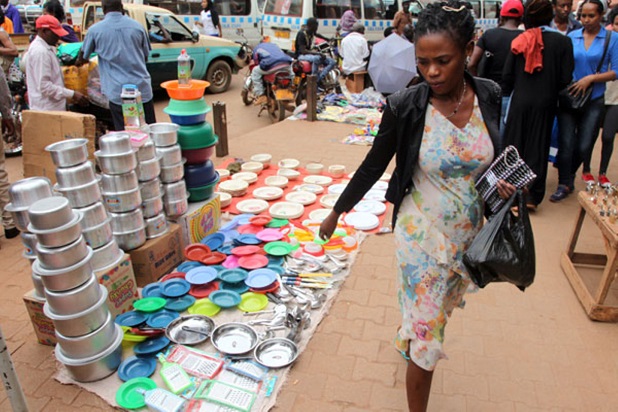
In the capital, the campaign is being led by the Kampala Capital City Authority (KCCA). On February 5, 2026, Minister for Kampala Minsa Kabanda issued a two-week ultimatum to street vendors, boda boda riders, and taxi operators occupying ungazetted spaces along major roads. By mid-February, enforcement teams backed by police moved in, demolishing makeshift kiosks, impounding goods, and clearing unauthorized transport stages.
The operations exposed long-hidden infrastructure challenges beneath the clutter. Blocked drainage systems and damaged sewer lines were uncovered after temporary structures were removed. KCCA responded by issuing at least 15 nuisance notices to property owners, directing them to repair affected infrastructure.
According to KCCA spokesperson Daniel Nuwabine, the exercise is grounded in public interest and the law. “Our duty is to ensure public safety, sanitation and orderly trade. The enforcement of trade order is not arbitrary; it is anchored in law,” he said.
Authorities report that more than 970 former street vendors have since registered for space in KCCA-managed markets, which currently have about 2,520 vacant slots. Traders have been directed to gazetted markets such as Busega, Nakawa, Luzira, and Usafi. City officials are also encouraging alternative income strategies, including digital trading initiatives and skills training.
The physical transformation in Kampala’s central business district has been striking. Streets that were once heavily congested including Ben Kiwanuka Street, William Street, Nkrumah Road, and Luwum Street now feature clear pedestrian walkways and improved traffic flow. Social media platforms have been flooded with “before and after” images highlighting the dramatic changes.
Building on the momentum, KCCA launched the “Clean and Green Streets Campaign” on February 28, 2026. The initiative brought together residents, traders, youth volunteers, and corporate partners to clean walkways, remove illegal dumpsites, restore green spaces, and plant trees. Executive Director Sharifah Buzeki emphasized that restoring green buffers is not merely aesthetic but essential to environmental health and quality of life.
The movement is not confined to Kampala. In Mbale, authorities issued a five-day ultimatum to vendors and transport operators to relocate to designated markets and parks. Mbarara has seen enforcement efforts accompanied by tensions, particularly as leaders work to create designated trading zones to support women traders. Meanwhile, Soroti officials are targeting illegal roadside containers, unauthorized parking, and even grazing, alongside broader infrastructure upgrades.
Officials argue that these measures address years of unchecked encroachment fueled by rapid rural-to-urban migration and population spikes during election cycles. Kampala’s daytime population alone swells to approximately 2.6 million people, placing enormous pressure on road networks, drainage systems, and sanitation services. Clearing road reserves, authorities say, is critical for flood prevention, road safety, and future infrastructure development.
However, the campaign has not been without criticism. Vendor associations have expressed concern over lost livelihoods, arguing that formal market spaces can be costly and that comprehensive resettlement support has not been fully implemented. Some traders have called for higher-level intervention, while legal experts from the Uganda Law Society have urged authorities to strike a balance between enforcement and economic protection.
Despite the pushback, city leaders insist the operations will continue, combining enforcement with ongoing public sensitization. Discussions are also underway about introducing regulated evening or weekend markets in designated areas without compromising green spaces or traffic flow.
As Uganda’s urban centres adapt to these sweeping changes, the roadside clearing drives represent more than an enforcement exercise. They signal a deliberate attempt to redefine how cities function cleaner, greener, and more organized. Whether this transformation will sustainably integrate displaced traders while maintaining order remains an open question, but for now, many residents are experiencing streets that feel noticeably safer and more accessible.