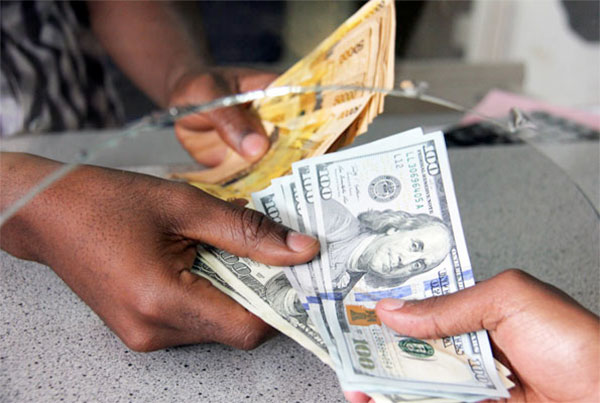
The Uganda Shilling (UGX) has come under notable pressure following the recent escalation of tensions involving Israel, the United States, and Iran. Although Uganda is not directly involved in the conflict, the global economic shock triggered by the crisis is already being felt in the country through a rapidly weakening currency and rising economic uncertainty.
Ugandan authorities have maintained a diplomatic stance on the situation. President Yoweri Museveni has emphasized peaceful engagement and friendly relations with all parties involved while also overseeing the evacuation of Ugandan students who were studying in Iran. Despite Uganda’s non involvement in the conflict, international market reactions have quickly reached the local economy.
The most recent escalation began around 28 February 2026 when coordinated strikes by the United States and Israel targeted Iranian facilities. The development intensified tensions across the Gulf region, affecting key economic partners such as the United Arab Emirates and Saudi Arabia. This surge in geopolitical risk has triggered movements in global currency and commodity markets, with emerging market currencies like the Uganda Shilling taking a hit.
Just before the escalation, the exchange rate stood at around 3,580 Uganda shillings to the US dollar on 24 February 2026. Within days, the currency weakened sharply. By early March, the rate had climbed beyond 3,760 shillings per dollar, marking a depreciation of roughly 180 shillings, or about five percent, in just over a week.
The decline was particularly dramatic during one trading session when the shilling moved from approximately 3,680 to 3,760 against the dollar within 24 hours. According to Bank of Uganda Executive Director for Research Dr. Adam Mugume, the shilling had already lost about 100 shillings against the dollar in the first two days following the outbreak of the conflict.
By 13 March 2026, the exchange rate continued to hover between 3,750 and 3,760 shillings per dollar. Analysts say the movement reflects a broader trend in which investors shift funds away from emerging markets and toward the US dollar, widely considered a safe haven during global crises.
Rising Fuel and Transport Costs
Uganda’s economy is particularly vulnerable to external shocks because it imports most of its fuel and many essential goods. The country consumes about 2.96 billion litres of fuel annually, with roughly 95 percent transported through the Kenyan pipeline system.
As global crude oil prices climb toward or even beyond 100 dollars per barrel due to fears about disruptions in the Strait of Hormuz, the effect is quickly felt at Ugandan fuel stations. Higher pump prices are already pushing up operating costs for taxi drivers, boda boda riders, and long distance truck operators.
These costs inevitably pass through to consumers. The price of transporting goods such as matooke from Mbarara or onions from Bugisu to markets in Kampala rises, which in turn increases food prices in urban areas.
Inflation Concerns Grow
The weakening shilling is also increasing pressure on inflation. The Bank of Uganda has warned that inflation could rise to about five percent in the next financial year, up from 3.1 percent recorded in February 2026.
The central bank may consider adjusting the Central Bank Rate to manage inflationary pressure, but doing so carries risks. Higher interest rates could slow economic growth, increase borrowing costs for businesses, and dampen investment activity.
At the consumer level, the impact is already being felt. Imported goods such as medicines, spare parts, electronics, and many food items are priced in US dollars, meaning they become more expensive as the shilling loses value.
Higher Import Bill and Trade Pressures
A weaker currency also means Uganda must spend more shillings to pay for imported goods. Machinery, construction materials, pharmaceuticals, and raw materials used in manufacturing all become more expensive.
Industries in Kampala and Jinja that rely on imported inputs are already facing difficult choices. Some businesses may absorb the higher costs, others may raise prices, and some may delay production or expansion plans. Freight and insurance costs could also increase if shipping routes through the Gulf region become riskier.
Concerns Over Remittances
Another potential risk lies in remittances from Ugandans working in the Gulf. These workers send home between 500 million and 1.6 billion dollars annually, providing critical support for many families.
If Gulf economies slow down because of regional instability, employment opportunities could shrink, reducing the flow of money sent back to Uganda. For many households, that income helps cover essential expenses such as school fees, rent, and daily living costs.
Export and Manufacturing Challenges
Uganda’s export sector may also face challenges. Coffee, the country’s leading export, could encounter higher shipping and insurance costs if international vessels avoid high risk maritime routes.
Manufacturers that rely on imported components may also face production disruptions or higher operational costs. This uncertainty could slow job creation and delay infrastructure and industrial projects.
Outlook for the Economy
The Bank of Uganda says it is closely monitoring developments and stands ready to deploy policy tools if necessary to stabilize the currency and maintain inflation around its target of five percent.
However, officials acknowledge that the situation remains unpredictable, especially if tensions in the Middle East persist for an extended period.
For ordinary Ugandans, the economic impact is already visible in higher fuel prices, rising transport fares, and increasing costs in local markets. Even though the conflict is happening thousands of kilometres away, its economic ripple effects are reaching Kampala and other parts of the country through global oil and currency markets.
Since the latest phase of the Iran related conflict began in late February 2026, the Uganda shilling has depreciated by roughly five percent against the US dollar. If the tensions continue and global oil supply routes remain uncertain, the pressure on Uganda’s currency and cost of living could intensify in the months ahead.