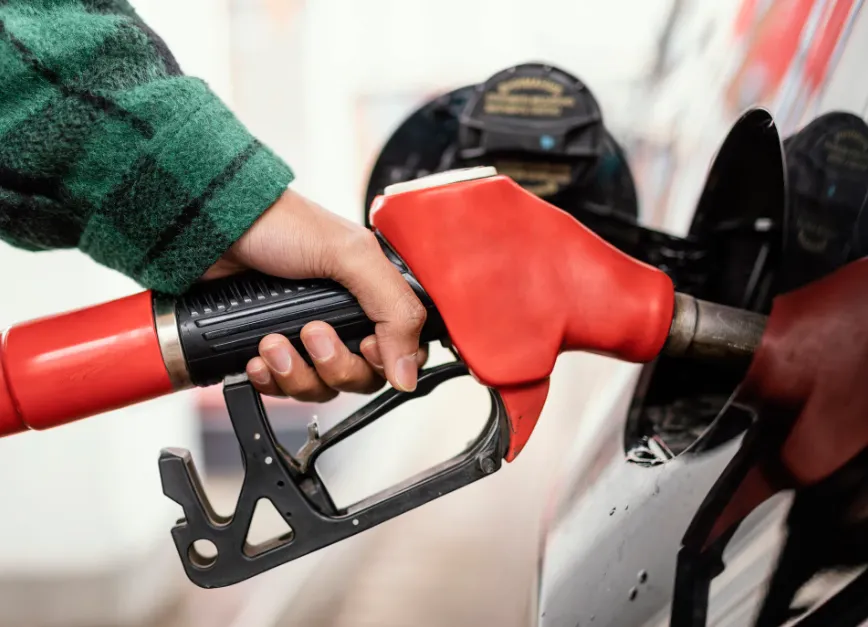
Uganda has declined Kenya’s request to access Ugandan-owned fuel stored within Kenya’s pipeline system, as Nairobi faces growing pressure on its retail fuel supply. The request came after some Kenyan fuel stations began experiencing stock-outs, prompting Kenya to seek temporary access to Uganda’s fuel reserves with a promise to replace the borrowed volumes once delayed shipments arrived.
Ugandan authorities, however, chose to prioritize national energy security, emphasizing the importance of maintaining sufficient reserves to avoid domestic shortages. Officials stated that Uganda’s current fuel stocks are calibrated to last comfortably through the end of April 2026 and potentially into May with incoming deliveries, making it necessary to protect the country’s buffer during a period of global uncertainty.
Uganda Prioritizes Domestic Fuel Security
Ugandan officials made it clear that creating shortages at home to support a neighboring country would not be acceptable. A senior government representative stressed that the country must safeguard its citizens and ensure consistent fuel availability, especially at a time when regional and global supply chains remain fragile.
The decision reflects a cautious approach aimed at preventing a situation similar to what Kenya is currently experiencing, where retail-level shortages have already started to appear in some areas. Uganda’s position highlights the importance of maintaining stable domestic reserves before offering support beyond its borders.
Legal Ownership of Fuel in Kenya’s Pipeline
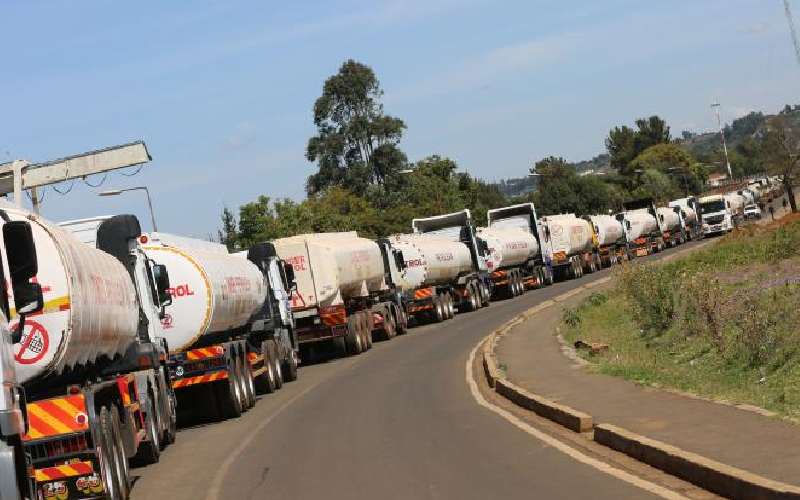
A key issue in the dispute is the legal ownership of the fuel stored in the Kenya Pipeline Company (KPC) network. Although the fuel is physically located in Kenya, much of it belongs to Uganda under existing transit and supply agreements.
This means Kenya cannot divert or borrow the fuel without Uganda’s approval. Doing so would violate bilateral trade agreements and East African Community (EAC) protocols, potentially triggering diplomatic tensions and undermining trust in regional petroleum logistics systems.
Uganda also has its own supply commitments and import schedules, making it difficult to release any of its reserved volumes without risking internal disruptions.
Kenya’s Government-to-Government Fuel Supply Deal
Kenya’s fuel supply largely depends on a government-to-government (G2G) agreement with major Gulf energy suppliers. Under this arrangement, Kenya receives petroleum products upfront and pays for them within six months, allowing local sales in Kenyan shillings to generate the funds needed to settle payments in US dollars later.
This structure has helped Kenya stabilize fuel supply and protect its currency from sudden foreign exchange pressure. The deal has been a cornerstone of Kenya’s energy strategy since 2023, although recent geopolitical disruptions and shipment delays have exposed its vulnerabilities.
Challenges such as force majeure declarations, delayed cargoes, and global market volatility have occasionally strained the system, contributing to the current supply concerns.
Rising Regional Fuel Pressure
The situation is unfolding against a backdrop of global oil market instability, particularly linked to tensions in the Middle East that have disrupted shipping routes and refinery output. These disruptions have delayed fuel deliveries and increased pressure on regional supply chains.
Recent assessments suggested Kenya’s petrol cover had dropped to around two weeks in some cases, though officials have reassured the public that additional shipments are on the way. Uganda, on the other hand, has maintained a stronger buffer by using diversified import routes through both Kenyan and Tanzanian ports and closely managing stock levels.
Regional Energy Cooperation Put to the Test
This development highlights both the cooperation and limitations within East Africa’s shared energy infrastructure. While regional pipelines and logistics networks are interconnected, national ownership and sovereignty over fuel reserves remain the priority during supply stress.
Kenya is reportedly exploring emergency imports outside its existing framework, though such moves have raised questions domestically and prompted closer scrutiny from authorities.
Uganda’s decision ultimately reflects a pragmatic approach to energy security, focusing on protecting domestic supply while monitoring global market conditions and incoming shipments. As fuel markets remain volatile, both countries continue to closely track supply levels, regional coordination, and international oil price movements.
Uganda’s refusal to grant Kenya access to its fuel reserves underscores the delicate balance between regional cooperation and national interests. With global oil markets still uncertain and supply chains under pressure, governments are increasingly prioritizing domestic stability while maintaining diplomatic and economic ties with their neighbors.
The situation remains fluid, and the coming weeks will likely determine whether Kenya’s incoming shipments stabilize the market or further regional coordination becomes necessary.
Also Read
Uganda’s Fuel Supply Holds Steady Amid Middle East Turmoil, Government Reassures Public
Uganda Faces Possible Fuel Price Spike After Bahrain Refinery Strike