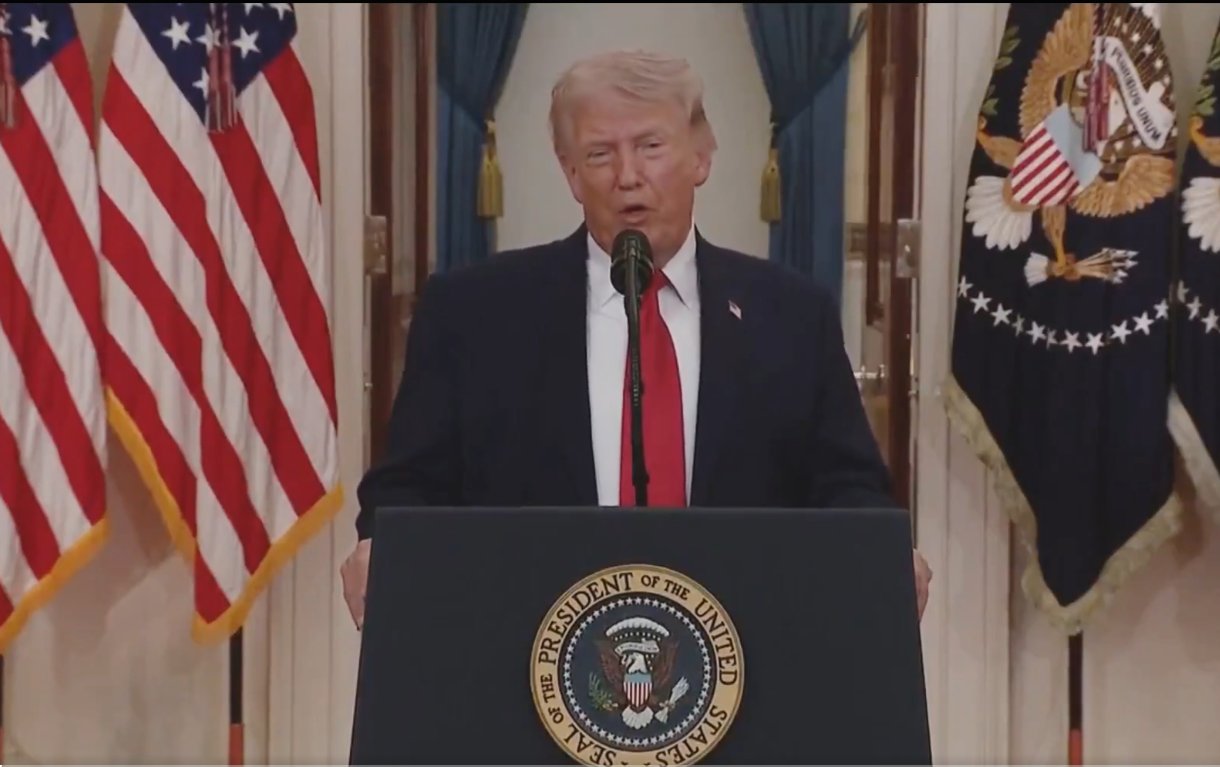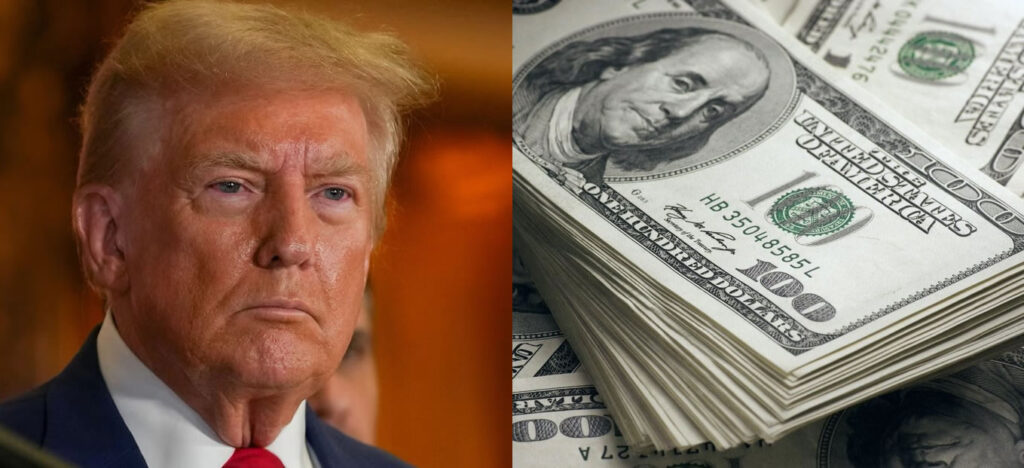
The United States Department of the Treasury announced on March 26, 2026, that future U.S. paper currency will feature the signature of President Donald Trump, marking a historic shift in the design of American dollar bills. If implemented, the move would represent the first time a sitting U.S. president’s signature appears on paper currency, alongside that of Treasury Secretary Scott Bessent.
According to the announcement, the change will require the removal of the U.S. Treasurer’s signature, ending a tradition that has existed on American currency since 1861. The adjustment will modify only the signature section of the bills, while portraits, artwork, and security features will remain unchanged.
Traditionally, U.S. paper money has carried two facsimile signatures: the Treasury Secretary on the right and the Treasurer of the United States on the left. These signatures, engraved onto printing plates at the Bureau of Engraving and Printing, serve as a formal certification that the notes are legitimate obligations of the United States. The practice dates back to the Civil War era and has remained consistent for more than 165 years, with new Treasury officials’ signatures appearing as administrations changed.
Under the new plan, President Trump’s signature would replace the Treasurer’s position on the face of the currency. Iconic portraits such as George Washington on the one dollar bill and Abraham Lincoln on the five dollar bill will remain unchanged, meaning the adjustment will be limited to the lower portion of the notes where signatures appear.
The production timeline indicates that the first 100 dollar bills carrying Trump’s and Bessent’s signatures could begin printing in June 2026, with other denominations expected to follow gradually. Newly printed notes would take several weeks to enter circulation through the banking system, while existing bills bearing previous signatures, including those of former Treasury Secretary Janet Yellen and former Treasurer Lynn Malerba, would remain valid and continue to circulate without recall.
Treasury officials have framed the decision as part of commemorative efforts tied to the United States’ 250th anniversary, scheduled for July 4, 2026. Secretary Scott Bessent described the move as a recognition of Trump’s economic legacy and a symbolic gesture aligned with the Semiquincentennial celebrations. U.S. Treasurer Brandon Beach also expressed support for the initiative, emphasizing its historical significance.
Historically, U.S. currency has always featured signatures of Treasury officials rather than presidents, making this proposal an unusual departure from long standing practice. Analysts note that the change is administrative and tied to printing plate adjustments, meaning future administrations could potentially reverse the decision and restore the traditional signature format.
In practical terms, the new currency would function exactly the same as existing notes, with no changes to legal tender status or security features. Most Americans are expected to notice the difference only upon close inspection of newly printed bills. The development highlights how symbolic elements of national currency can reflect political and historical milestones, particularly during major national anniversaries.
Whether the inclusion of a sitting president’s signature becomes a lasting precedent or remains a one time commemorative decision will depend on future Treasury policy and administrative choices as the United States approaches its 250th anniversary.