Trump Warns Iran of Intensified Military Strikes
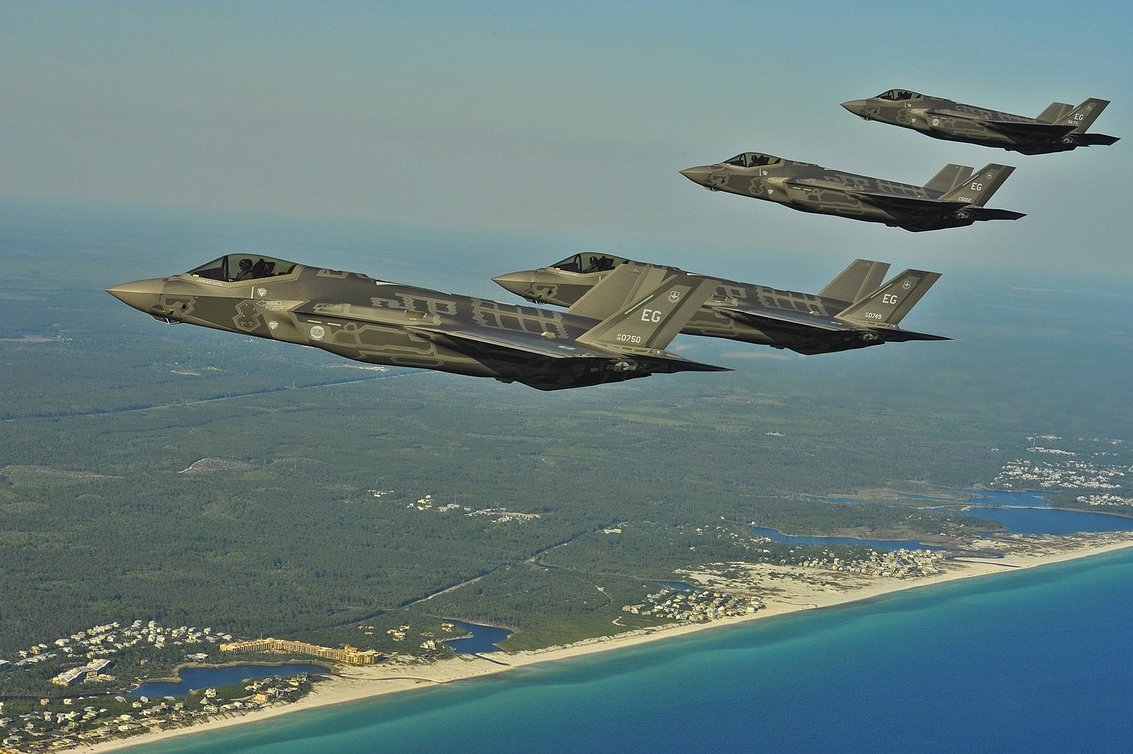
On April 2, 2026, during a prime-time national address, US President Donald Trump warned that the United States would intensify its military campaign against Iran under Operation Epic Fury, promising to hit the country “extremely hard” over the next two to three weeks if no agreement is reached to end the conflict.
Trump stated that the goal of the operation was to force Iran back to negotiations, warning that US forces could target power plants, oil infrastructure, and other critical facilities. His remarks included the controversial statement that Iran could be brought “back to the stone ages,” signaling a potential expansion of strikes beyond current military targets if Tehran fails to comply with US demands.
Pete Hegseth’s Viral “Back to the Stone Age” Message
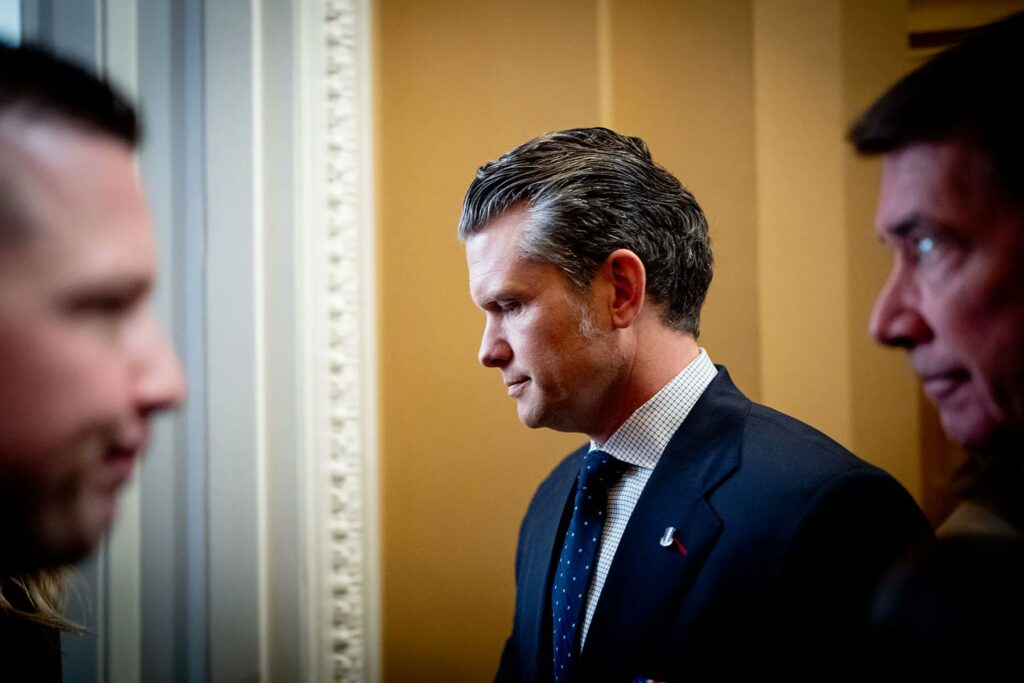
Minutes after the address, US Secretary of War Pete Hegseth amplified the message with a brief but striking post on the social media platform X, formerly known as Twitter.
The post simply read: “Back to the Stone Age.”
The statement quickly went viral and became one of the most widely discussed soundbites of the conflict, with supporters praising the strong stance and critics warning that such rhetoric could escalate tensions and inflame global opinion.
Operation Epic Fury and the Ongoing War
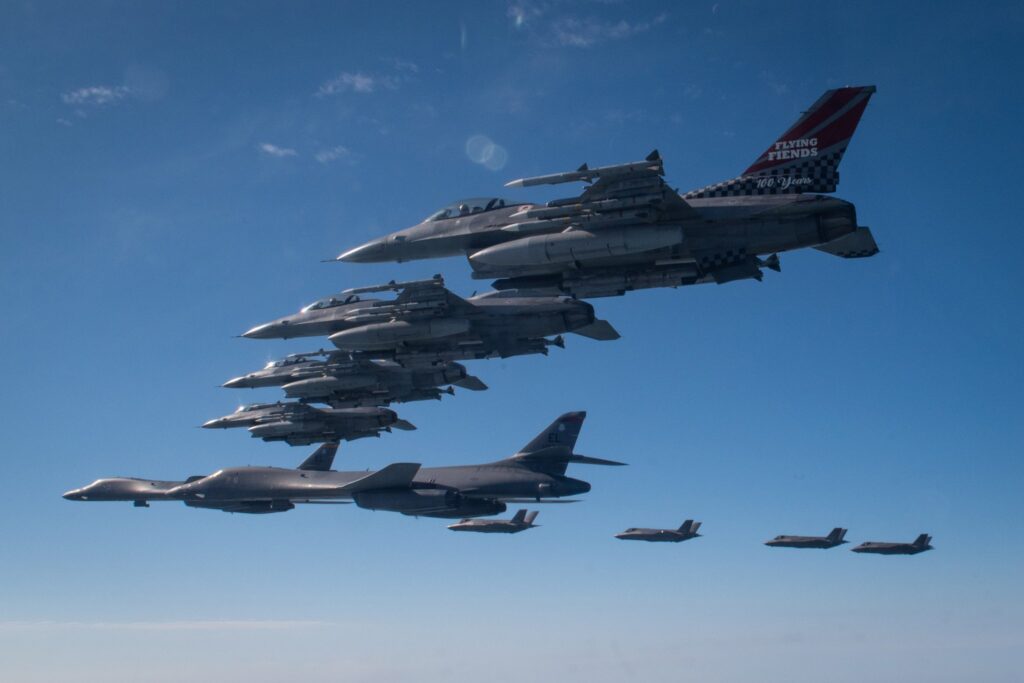
The remarks came during the fifth week of US military operations against Iran, which began in late February 2026. Operation Epic Fury has focused on degrading Iran’s missile systems, drone capabilities, nuclear-related facilities, and support for regional proxy groups.
According to US officials, the intensified phase of the campaign is intended to pressure Tehran into accepting American terms for ending the war. The strategy combines military pressure with diplomatic signaling, aiming to force negotiations while maintaining operational dominance on the battlefield.
Hegseth’s statement was widely interpreted as confirmation that stronger and larger bombing operations could follow in the coming weeks.
A Phrase with Controversial Historical Roots
The phrase “back to the Stone Age” carries deep historical and political weight. It became widely known during the Vietnam War, particularly in association with US Air Force General Curtis LeMay, who was linked to similar rhetoric about bombing North Vietnam.
Over the decades, variations of the phrase have appeared in discussions of conflicts involving Iraq, Afghanistan, and Pakistan, often criticized for suggesting overwhelming and destructive military force.
Critics argue that such language evokes fears of large-scale destruction and civilian suffering, while supporters see it as a clear and direct warning to adversaries accused of destabilizing global security.
Iran Responds with Defiance
Iranian leaders reacted quickly and strongly to the statements. President Masoud Pezeshkian and Foreign Minister Abbas Araghchi condemned the threats, describing them as reckless and potentially illegal under international law.
Iran’s diplomatic representatives emphasized the country’s long history and resilience, stating that it would not be intimidated by threats of destruction. Some Iranian military figures also issued counter-warnings, promising severe retaliation against US forces if attacks intensified further.
The exchange of rhetoric has heightened tensions and reinforced the risk of further escalation in the region.
Global Reactions Split Along Political Lines
International and domestic reactions have been sharply divided. Supporters of the administration argue that strong rhetoric is necessary to deter Iran and protect US allies, particularly Israel, from ongoing threats.
Critics, including analysts and international observers, warn that such statements could increase the risk of prolonged conflict, humanitarian crises, and regional instability. Some have also raised concerns about potential violations of international law if infrastructure and civilian-linked facilities are targeted.
The debate reflects broader disagreements over how aggressively the United States should pursue its military objectives in the Middle East.
What the Statements Signal
Trump’s address and Hegseth’s viral message appear designed to send a clear signal that the United States is prepared to escalate its military operations if Iran refuses to negotiate. The emphasis on infrastructure and energy targets suggests a strategy aimed at weakening Iran’s economic and operational capacity.
Military analysts believe the rhetoric is intended to shape both diplomatic and psychological pressure, demonstrating US willingness to escalate while leaving room for negotiations.
As the conflict continues, the situation remains uncertain. Whether the strong language and increased military pressure lead to a negotiated settlement or a deeper regional war will depend on how both Washington and Tehran respond in the coming weeks.
Also Read
Pete Hegseth Defense Fund Controversy Sparks Insider Trading Concerns After Financial Times Report