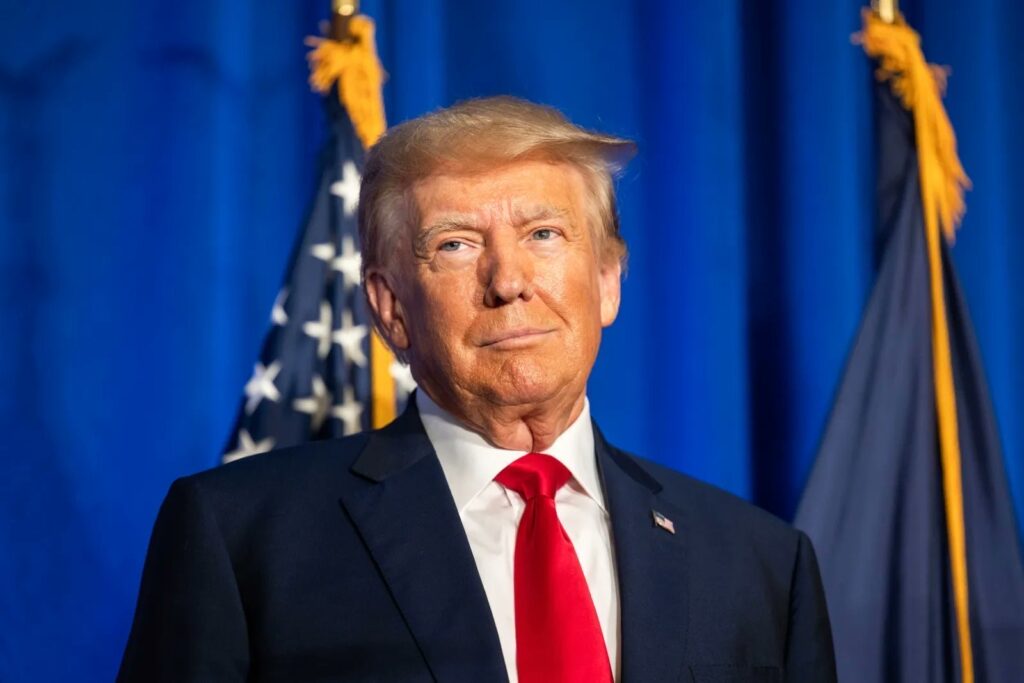
President Donald Trump has praised Saudi Arabia and several Gulf allies for their active support in the ongoing U.S.-Israel conflict with Iran, while sharply criticizing NATO allies for what he described as disappointing involvement in the war.
Speaking at an event in Miami on March 27, 2026, Trump publicly thanked Gulf nations for their role in supporting U.S. operations against Iran. He specifically highlighted Saudi Arabia, the United Arab Emirates, Bahrain, and Kuwait, describing them as reliable partners that have stood firmly with Washington during the conflict.
Trump stated that the Kingdom of Saudi Arabia had been very helpful and emphasized that Gulf countries had actively supported the war effort, unlike NATO allies. He described these Middle Eastern partners as dependable and willing to contribute directly in a time of crisis, reinforcing his long-standing criticism that NATO countries often rely too heavily on the United States for security support.
Rising Tensions in the 2026 Iran War
Trump’s remarks come as the Iran war continues to escalate following the U.S. and Israeli strikes launched on February 28, 2026, targeting Iranian military infrastructure and leadership-linked sites. The conflict has quickly spread across the Middle East, drawing in regional powers and increasing global concern over stability and energy security.
Iran has responded with large-scale missile and drone attacks targeting Israel, U.S. military installations, and strategic facilities in Gulf countries hosting American forces or supporting military operations. Iranian officials and the Islamic Revolutionary Guard Corps have repeatedly warned that any nation assisting the United States or Israel would face direct retaliation.
These warnings have included threats to oil infrastructure, power plants, desalination facilities, and other key economic targets across the Gulf region, raising fears of broader regional escalation.
Gulf States Continue Support Despite Threats
Despite Iranian threats and reported attacks on oil and gas facilities, airports, and areas near U.S. military bases, Gulf states such as Saudi Arabia, the UAE, Bahrain, Kuwait, and Qatar have continued cooperating with Washington. Their support has included logistical coordination, defensive operations, and air defense assistance aimed at countering Iranian missile and drone attacks.
Trump’s praise highlights the role these countries are playing in sustaining regional security and supporting U.S. military objectives, even while facing direct risks from Iranian retaliation. The continued cooperation shows a shared interest among Gulf states in limiting Iran’s regional influence and maintaining stability in energy and trade routes.
Trump’s Ongoing Criticism of NATO
Trump’s comments also reflect a consistent theme in his foreign policy approach: skepticism toward NATO burden-sharing. Over the years, he has repeatedly argued that European NATO members do not contribute enough to collective defense and rely too heavily on American military power.
By praising Gulf allies while criticizing NATO, Trump is reinforcing his preference for partnerships based on direct contribution and strategic alignment rather than formal treaty obligations. His administration has focused on strengthening bilateral relationships in the Middle East, including expanding defense cooperation with Saudi Arabia and other Gulf nations.
This approach signals a shift toward more transactional alliances, where partners are valued based on their practical involvement in conflicts and regional security operations.
Broader Impact on the Middle East and Global Energy
The war has already affected global energy markets due to rising tensions in the Strait of Hormuz, a critical shipping route for global oil supplies. Iranian threats to disrupt shipping and target energy infrastructure have increased volatility in oil markets and raised concerns about long-term supply stability.
Iran’s strategy of expanding attacks across multiple countries appears aimed at increasing pressure on the United States and its allies by raising economic and security costs. Gulf states, however, have continued to coordinate with U.S. forces and strengthen regional defenses, showing resilience despite ongoing threats.
This dynamic reflects a changing geopolitical landscape in the Middle East, where alliances are increasingly shaped by shared security concerns and regional threats rather than traditional Western military frameworks.
A Conflict Testing Global Alliances
Trump’s praise for Gulf allies and criticism of NATO underscores how the Iran war is testing global alliances and reshaping international relationships. While NATO members have taken a more cautious approach, Gulf countries have taken a frontline role due to their geographic proximity and direct exposure to Iranian threats.
The situation remains fluid, with diplomatic efforts continuing alongside military operations. Trump’s remarks serve both as a message of appreciation to Gulf partners and a warning to traditional allies that greater involvement may be expected in future conflicts.
As the war continues, the balance between military pressure and diplomacy will likely determine whether tensions escalate further or move toward de-escalation through negotiations.