Key UN Security Council Standoff
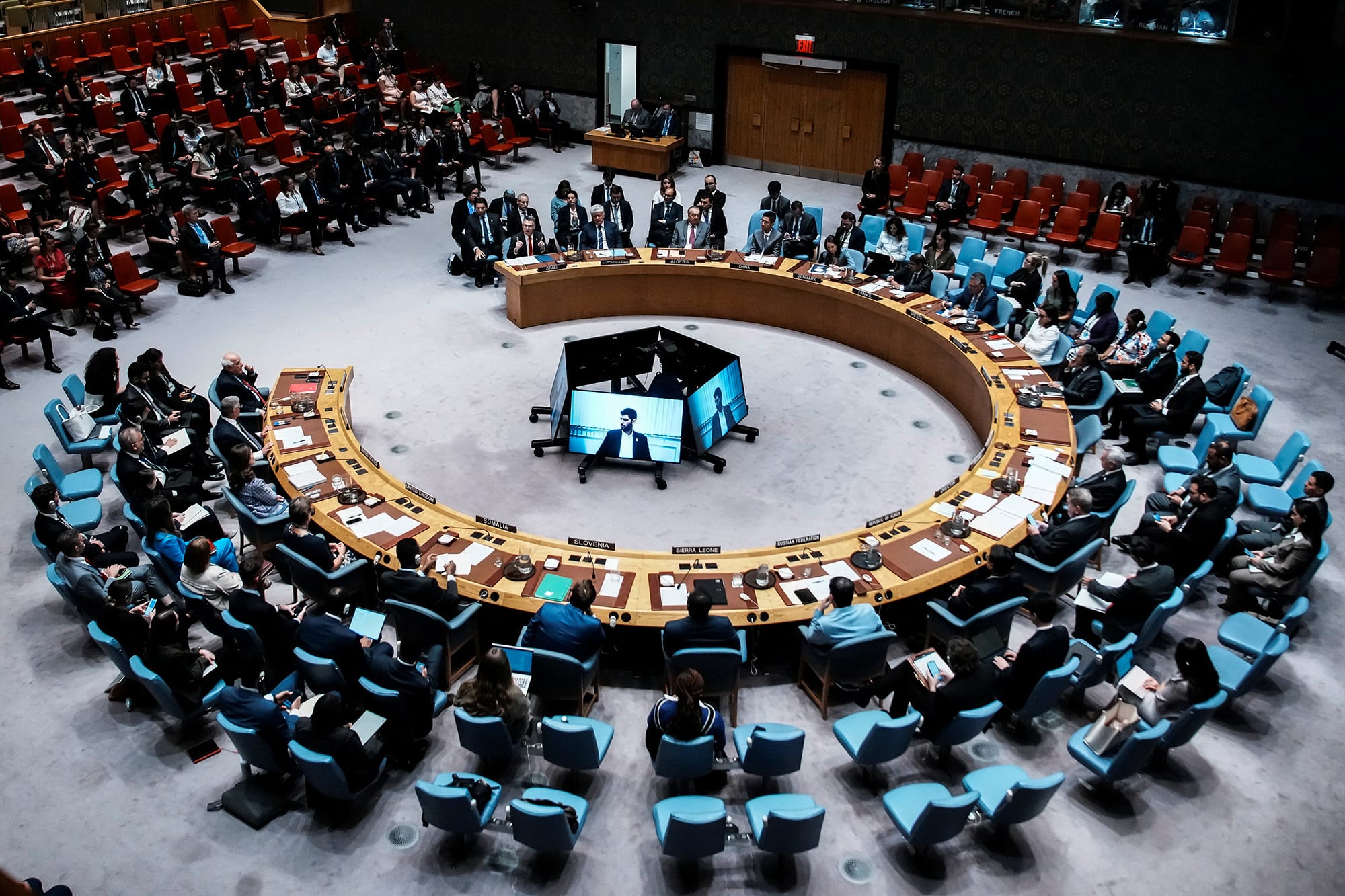
On April 2, 2026, Russia, China, and France effectively blocked an effort by several Arab countries at the United Nations Security Council (UNSC) to authorize military action aimed at reopening the Strait of Hormuz. The strait, a narrow waterway linking the Persian Gulf to the Gulf of Oman, is a crucial maritime chokepoint that handles roughly 20-30% of the world’s seaborne oil trade under normal conditions.
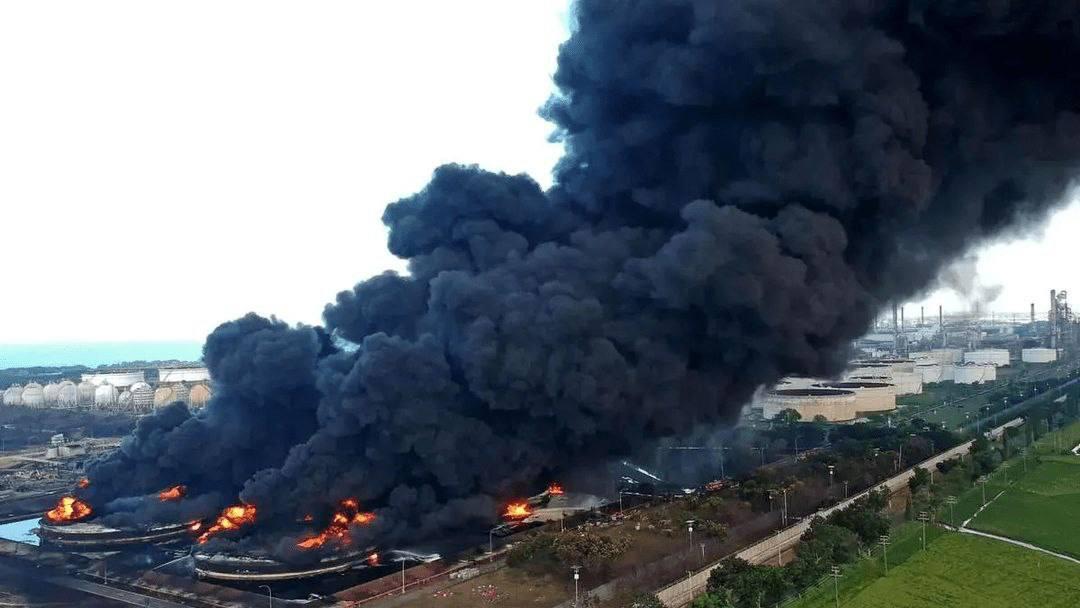
Iran’s disruptions of commercial shipping amid its ongoing conflict with the U.S. and Israel have sparked major global energy market disruptions, driving oil prices higher and increasing shipping insurance costs.
The Arab-Led UNSC Resolution
Bahrain, holding the rotating UNSC presidency for April 2026, led a coalition of Gulf Arab states in drafting a resolution under Chapter VII of the UN Charter. The initial text sought to reaffirm freedom of navigation and authorize member states to take measures—including military steps if necessary—to ensure safe passage for commercial vessels. Early versions included language such as “all necessary means,” a UN euphemism for potential force. Later drafts were softened to “exclusively defensive measures” to attract broader support.
The resolution received backing from neighboring Gulf states and appeared to have U.S. support, aiming to create a legal basis for a multinational naval effort to escort tankers and deter Iranian attacks, including those involving mines, drones, or missiles.
Veto Powers and the Blocking Members
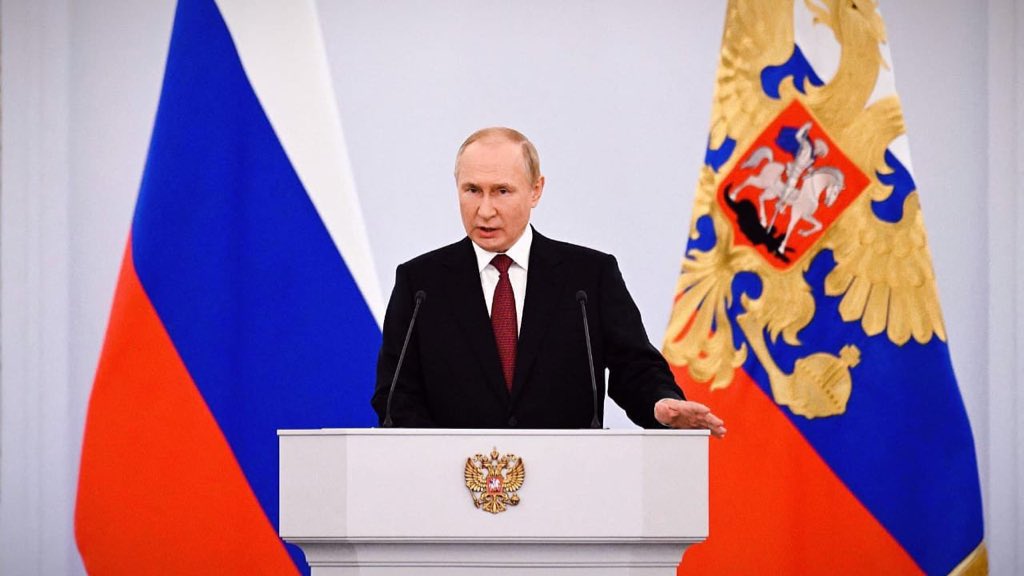
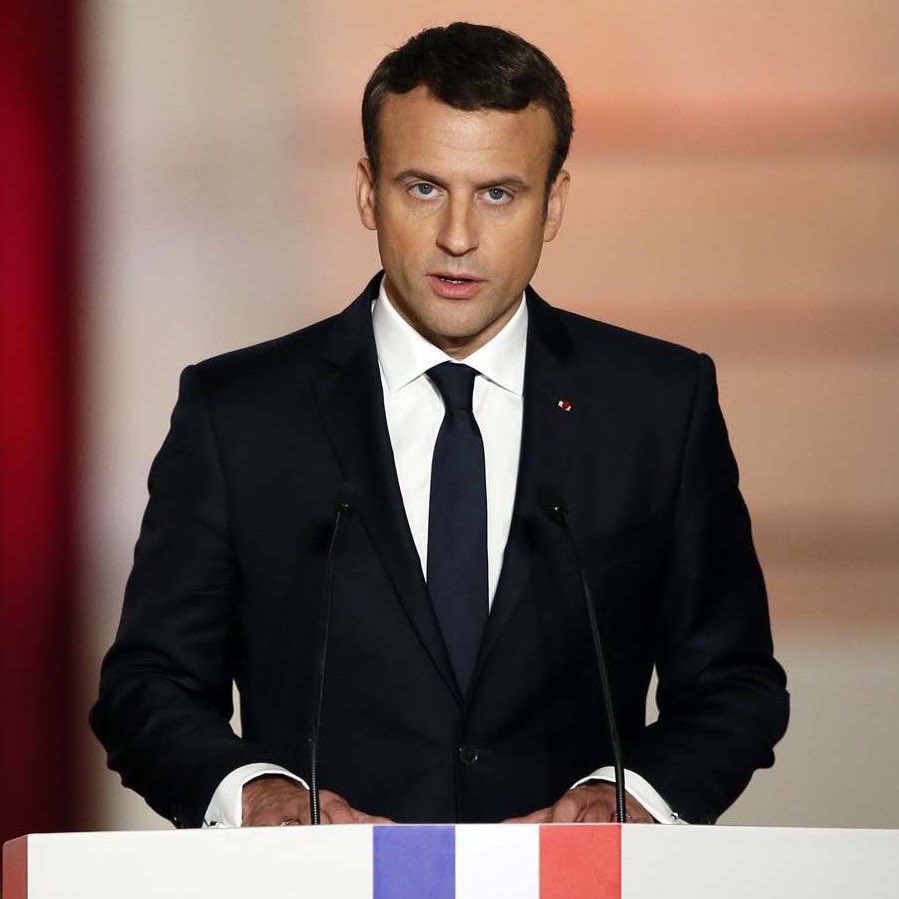
Three permanent UNSC members—Russia, China, and France—objected to any language that could be interpreted as authorizing force. They broke the “silence procedure,” signaling potential vetoes and preventing passage of versions containing enforcement provisions. Their rationale emphasized the importance of de-escalation and diplomatic solutions over military escalation.
Russia and China’s opposition aligns with their longstanding ties to Iran and resistance to Western-led military interventions. France’s stance was notable for diverging from typical Western alignment, drawing attention in diplomatic circles. Divisions among the ten non-permanent members also made it difficult to secure the nine votes required for approval without facing a veto.
Geopolitical Implications
The blockage highlights fractures in the international community over responses to Iran’s actions:
Gulf Arab states and the U.S. view the disruption as an intolerable threat to energy security, justifying robust measures.
Russia, China, and France prioritized avoiding escalation, fearing UN-backed military action could worsen tensions, complicate cease-fire prospects, or create precedents for future interventions.
Iran, meanwhile, warned against “provocative” UNSC moves and has reportedly allowed limited passages, such as by French vessels, possibly as a tactical gesture to signal restraint.
Broader Context and Energy Security
The standoff occurred amid ongoing U.S.-Israeli military operations against Iran and Iranian retaliation through asymmetric naval and missile capabilities. Over 40 countries have explored coalition efforts to protect shipping, but without UN authorization, any action risks being viewed as unilateral and potentially escalatory.
The episode also underscores the limitations of the UN Security Council, where permanent members’ veto powers can stall decisive action, even on issues with far-reaching economic consequences.
As of early April 2026, it remains uncertain whether diplomacy, unilateral naval operations, or continued Iranian pressure will determine the strait’s operational status. The failure to secure a UN mandate forces reliance on alternative approaches while global energy markets remain on edge.
Also Read
Trump Tells UK to “Go Get Your Own Oil” as Strait of Hormuz Crisis Deepens Global Tensions
UK to Host 35-Nation Emergency Meeting to Reopen Strait of Hormuz Amid Iran Conflict