A new controversy involving U.S. Defense Secretary Pete Hegseth emerged on March 30 to 31, 2026, following a report by the Financial Times that raised questions about a potential defense fund investment linked to his broker. The report quickly triggered debate in political and financial circles, with critics pointing to possible insider trading risks and conflicts of interest, while the Pentagon strongly denied the allegations and dismissed the story as false.
Financial Times Report Raises Questions
According to the Financial Times, a wealth manager handling Hegseth’s accounts at Morgan Stanley contacted BlackRock in February 2026 to inquire about making a multimillion dollar investment in a defense focused exchange traded fund known as the Defense Industrials Active ETF. The fund is designed to invest in major defense contractors that typically benefit from increased military spending and geopolitical tensions, making it particularly sensitive in times of international conflict.
The inquiry reportedly took place weeks before U.S. and Israeli military strikes on Iran, which later escalated tensions in the Middle East and affected global defense and energy markets. Because Hegseth serves as Defense Secretary and has access to high level national security briefings, the timing of the inquiry drew attention and raised concerns about whether non public information could have influenced investment decisions.
Defense Fund and Timing Fuel Speculation
The Defense Industrials Active ETF includes major military contractors such as Lockheed Martin and Northrop Grumman, companies that often see stock price increases during periods of conflict or rising defense spending. This connection intensified scrutiny, as any early investment in such a fund ahead of military action could potentially create financial advantages.
Reports indicated that the investment did not go through because the fund was not yet available for purchase through Morgan Stanley’s platform at the time of the inquiry. BlackRock declined to comment publicly on the matter, leaving the Financial Times report based largely on unnamed sources familiar with the situation.
Pentagon Issues Strong Denial
The United States Department of Defense responded quickly and forcefully to the allegations, rejecting the claims and calling the report entirely false. Pentagon spokesman Sean Parnell stated that neither Secretary Hegseth nor any of his representatives approached BlackRock about such an investment and described the report as a baseless attempt to mislead the public.
The Pentagon demanded an immediate retraction and emphasized that Hegseth remains committed to strict ethical standards and full compliance with all applicable laws and financial regulations. Officials stressed that there was no evidence of any investment attempt authorized by the Defense Secretary and no breach of ethical guidelines.
Insider Trading and Conflict of Interest Concerns
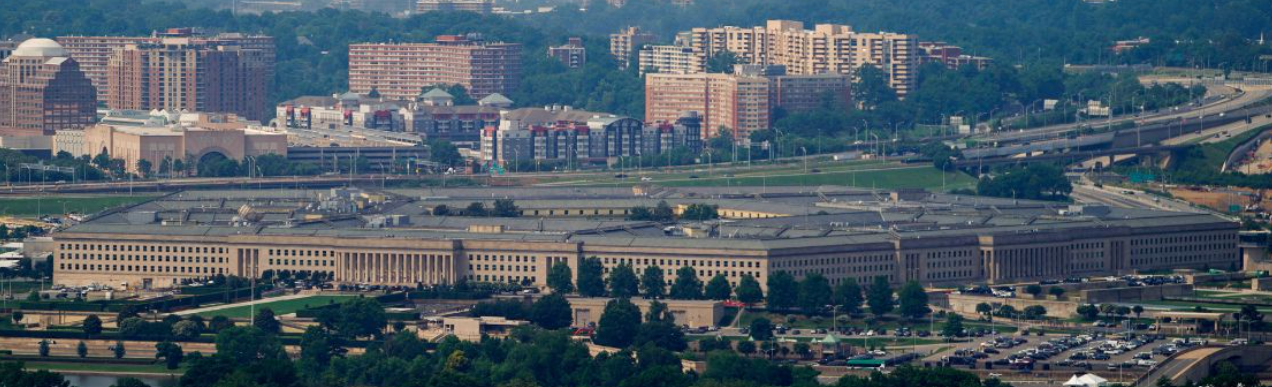
The controversy gained traction because of the unique position held by the Defense Secretary, who regularly participates in classified briefings and strategic military planning. Any potential investment tied to defense contractors or military related funds naturally raises questions about access to privileged information and whether financial decisions could be influenced by confidential government knowledge.
Even if the broker acted independently, critics argue that the optics of the inquiry alone create a perception problem. The timing, coming during rising tensions with Iran and ahead of military action, added to suspicions that sensitive information could have indirectly influenced investment discussions. Some commentators described the situation as a potential example of war profiteering, while others urged caution until concrete evidence is presented.
Political Context Intensifies the Debate
The controversy also unfolded within a politically charged environment. Hegseth’s appointment as Defense Secretary had already been controversial due to his background as a former media personality and limited high level Pentagon experience. Opponents of the administration quickly framed the report as another example of ethical concerns surrounding financial interests and foreign policy decisions.
Media outlets and commentators across multiple platforms amplified the story, with some highlighting the possibility of conflicts of interest and others emphasizing the lack of confirmed evidence. Social media discussions further fueled debate, with supporters defending Hegseth and critics calling for investigations or congressional oversight.
Current Status of the Allegations
As of March 31, 2026, no evidence has been publicly presented showing that the investment was executed or that Hegseth personally directed the inquiry. The Financial Times report does not claim that he approved or even knew about the broker’s contact with BlackRock, and there has been no official investigation announced by regulators such as the Securities and Exchange Commission or congressional committees.
The situation remains a dispute between anonymous sources cited in the report and a categorical denial from the Pentagon. Without further disclosures or documented evidence, the issue remains unresolved and largely speculative.
Broader Scrutiny on Financial Conflicts in Government
The episode reflects a broader pattern of scrutiny surrounding potential financial conflicts involving senior officials in the administration. Foreign policy decisions, particularly those involving military action, often have direct impacts on defense, oil, and financial markets, making transparency and ethical compliance essential for maintaining public trust.
Whether the controversy develops into a formal ethics investigation or fades as a disputed media report will depend on future disclosures, regulatory attention, or additional reporting. For now, the story stands as a politically sensitive allegation that has sparked debate over ethics, accountability, and the intersection of national security and financial markets.
Also Read
Six U.S. Air Force Crew Members Killed in KC-135 Crash in Western Iraq
Iran’s “Million-Fighter” Claim and U.S. Troop Buildup Signal a Long, Strategic War