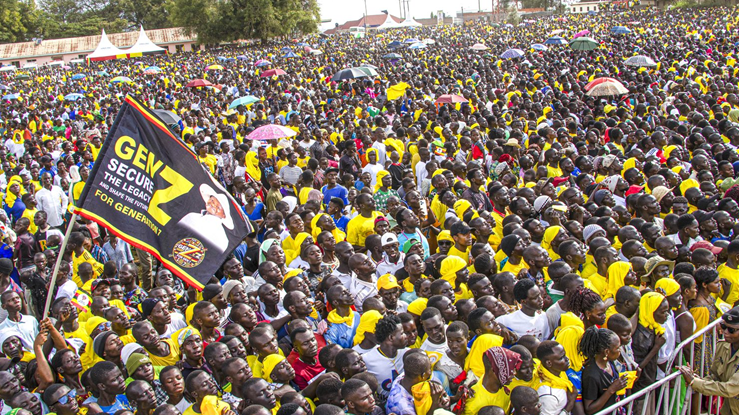
As Uganda edges closer to the 2026 general elections, President Yoweri Kaguta Museveni, the National Resistance Movement (NRM) flagbearer, has reignited his nationwide campaign with a spirited tour of the West Nile sub-region. Kicking off on October 7 in Pakwach District, the two-week odyssey through districts like Obongi, Moyo, Yumbe, and Adjumani has drawn thousands of supporters eager for promises of continuity and progress. Under the banner of “Protecting the Gains, Making a Qualitative Leap into High Middle-Income Status,” Museveni’s rallies have blended nostalgic reflections on his 65-year political journey with bold pledges for infrastructure, economic empowerment, and peace.
Yet, amid the cheers and chants of “#WhyUgStillNeedsM7” and “#ProtectingTheGains” echoing across social media, a persistent undercurrent of local grievances has surfaced. Residents, particularly in border areas, have repeatedly raised the thorny Apaa land conflict, a decades-old dispute pitting the Acholi and Madi communities against each other over fertile grazing lands straddling Adjumani and Amuru districts. As Museveni wrapped up his West Nile leg in Adjumani on October 20, the issue loomed large, testing his administration’s resolve to deliver on long-standing commitments.
A Grand Return to West Nile and Reviving the NRM Flame
West Nile, a region scarred by the brutal regimes of Idi Amin and subsequent insurgencies, has long been a symbolic battleground for Museveni’s narrative of redemption. Upon his arrival in Pakwach, the President was greeted by throngs waving NRM yellow flags, a stark contrast to the instability that once plagued the area. “You’re the best witnesses to talk about the strength of the NRM,” Museveni declared, contrasting Uganda’s relative stability with the chaos in neighboring South Sudan and the Democratic Republic of Congo. He recounted the NRM’s roots in the 1960s, decrying the sectarian divisions of old parties like the Democratic Party (DP), Uganda People’s Congress (UPC), and Kabaka Yekka, and positioning his movement as the antidote to tribal and religious strife.
The tour’s momentum built through rallies in Obongi and Moyo on October 17, where Museveni emphasized “protecting the gains” of post-conflict recovery. He highlighted the 2002 peace accord with the Uganda National Rescue Front II (UNRF II), which demobilized rebels and spurred development in the region. Economic infrastructure took center stage: promises of expanded Parish Development Model (PDM) funding, support for youth skills training, and the impending start of oil production in 2026, “God is always with the NRM,” he quipped, noting how colonial rulers missed the black gold that his government unearthed.
In Yumbe, during Peace Day celebrations earlier in the year, Museveni had already laid groundwork by announcing phased compensation for ex-rebels totaling Shs 26 billion, starting with Shs 1 billion immediately. But it was the final rally at Paridi Stadium in Adjumani that crystallized the tour’s themes. Flanked by heavyweights like Second Deputy Prime Minister Gen. Moses Ali and NRM Secretary General Richard Todwong, Museveni urged attendees to prioritize wealth creation over short-term demands, like teacher salary hikes. “We are not against the salaries of public servants, but first peace, roads, electricity, health, and schools, then we can add on other things,” he said, drawing applause from a crowd that included market traders and youth leaders.
Specific pledges included upgrading Omugo Health Centre IV to a general hospital, repairing security roads from Pakele to Paboo and Adjumani to Obongi, and boosting PDM allocations for religious and cultural institutions. Social media buzzed with endorsements, from videos of the rallies to testimonials of PDM success stories, like farmers who scaled up maize and livestock ventures with seed capital.
Gratitude Mixed with Demands
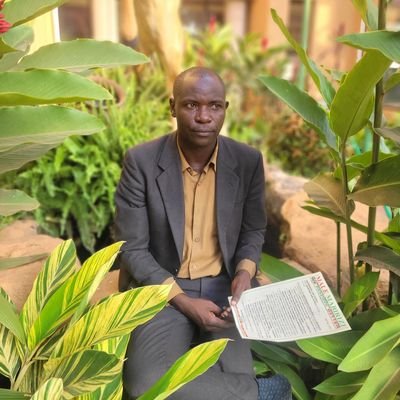
For many in West Nile, Museveni’s visit evoked a sense of vindication. “When the NRM took power in 1986, West Nile was a land in ruins, ravaged by war, fear, and displacement,” reflected one supporter on X, crediting the government for transforming the region into a hub of relative peace and progress. Traders like Florence Awizia in Adjumani’s main market praised new roads and health centers but stressed the need for “tangible solutions, not political promises.” Youth leader Peter Asilaza from Pakele echoed this, hoping the tour would spotlight employment opportunities.
On X, the conversation was electric. Posts celebrated the “massive turnup” and Museveni’s “compelling message,” with hashtags amplifying calls for continuity. One user quipped that Acholi and West Nile voters have shifted from opposition strongholds to NRM bastions, attributing it to delivered development rather than rigging, though skeptics pushed back, citing historical vote patterns.
The Apaa Land Conflict : A Lingering Thorn
No issue dominated resident feedback more than Apaa, a 13,000-hectare swath of contested territory where Madi pastoralists from Adjumani clash with Acholi farmers from Amuru. Rooted in colonial boundary ambiguities and exacerbated by post-war displacements, the dispute has flared periodically since 2018, displacing over 10,000 people and halting business. In March 2025, renewed violence prompted West Nile MPs to petition Museveni for an emergency summit, warning that proposals like carving out an “Apaa District” could reignite “unhealed wounds of war.”
Museveni has addressed Apaa repeatedly, most notably in April 2025 during Yumbe’s Peace Day, where he reaffirmed a 2023 Judicial Commission of Inquiry led by former Chief Justice Bart Katureebe. Drawing on 1985 satellite archives, he dismissed “manipulators” exploiting the conflict and pledged parliamentary consultations from both sub-regions. Earlier meetings with Madi and Acholi leaders yielded promises of a joint forum, compensation for evictees, and even a demonstration farm to shift communities toward commercial agriculture.
During the campaign, Adjumani residents directly confronted Museveni, linking the unresolved tension to stalled projects like the Laropi Bridge and erratic power supply. While he reiterated the commission’s role in delivering “lasting consensus,” some MPs, including those from Obongi and Moyo, registered quiet dissent, viewing the response as insufficient. Critics on X, including one journalist noting Museveni’s frustration, “I speak more Acholi because the Acholis have been giving me more headache”, highlight the ethnic sensitivities at play.
From West Nile to Acholi and Beyond
As Museveni transitions to Acholi rallies in Amuru, his West Nile tour underscores a high-stakes balancing act: touting NRM triumphs while assuaging deep-seated local pains. Success stories abound, from PDM-funded enterprises to bolstered security, but Apaa’s shadow reminds voters that “protecting the gains” demands more than rhetoric. With elections looming, the President’s ability to broker peace in such flashpoints could define his bid for a seventh term.
For West Nile’s resilient communities, the message is clear: unity and wealth creation are the path forward, but only if historical injustices like Apaa are squarely confronted. As one X user put it, “We appreciate the roads and health centres… but the Apaa land conflict has caused so much tension.” In a region that has witnessed Uganda’s darkest chapters, Museveni’s campaign is not just about votes, it’s a referendum on reconciliation