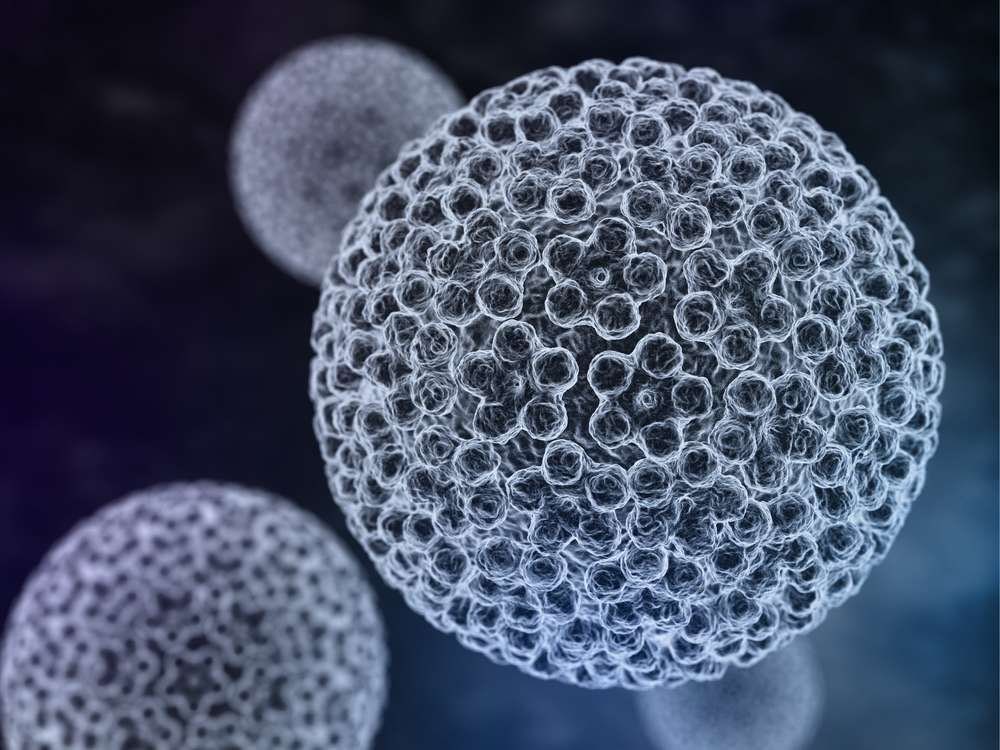
Recent headlines and viral social media posts have claimed that Human Papillomavirus (HPV) can now be completely eliminated thanks to research conducted in Mexico. While the story is rooted in legitimate scientific work, experts say the claims are often exaggerated. The research represents a promising treatment breakthrough for certain cases, but it is not yet a universal cure for HPV infections.
At the center of this work is Dr. Eva Ramón Gallegos, a biomedical scientist at the Instituto Politécnico Nacional in Mexico. Her research team has been exploring the use of photodynamic therapy (PDT), a non invasive treatment designed to target and destroy cells infected with HPV.
Photodynamic therapy works by applying a light sensitive compound, commonly delta aminolevulinic acid or 5 ALA, to the affected area, usually the cervix. The area is then exposed to a specific wavelength of light. This process activates the compound, producing reactive oxygen molecules that damage infected cells and help eliminate those carrying the virus.
A study published in 2023 examined the treatment in a small group of 29 women in Mexico City who had HPV infections. Some participants also had low grade cervical intraepithelial neoplasia, a precancerous condition commonly referred to as CIN I.
Follow up testing six months after treatment produced encouraging results. Researchers reported that HPV was no longer detectable in all participants involved in the study. Among women who had both CIN I lesions and HPV, about 64 percent experienced regression of the lesions. In participants who had CIN I without HPV, regression occurred in roughly 57 percent of cases.
Earlier studies have also explored the therapy on larger groups. In some reports, around 420 women from regions such as Oaxaca and Veracruz received similar treatments. Success rates varied depending on the stage of the infection, with higher effectiveness seen in early or non cancerous cases.
The findings represent an important step forward in the fight against HPV. The virus is responsible for nearly all cervical cancer cases and is also linked to cancers affecting the throat, anus, and genitals. A treatment capable of clearing persistent infections without surgery could significantly reduce cancer risk if it proves effective at a larger scale.
Researchers also noted that the therapy appeared to have minimal side effects and did not significantly disrupt the normal vaginal microbiota. In some cases, it also helped eliminate certain bacterial co infections.
Despite the promising results, scientists caution that the treatment is still in the early stages of development. The studies conducted so far involve relatively small patient groups and pilot trials. Large scale randomized clinical trials are still required before the therapy can be approved as a standard treatment.
Another limitation is that the therapy has so far focused mainly on localized cervical infections in women. It has not yet been shown to work for all HPV types, for infections in other parts of the body, or for infections in men. In addition, the treatment does not prevent new infections.
Vaccination remains the primary method of preventing HPV. Vaccines such as Gardasil protect against several high risk strains of the virus that are known to cause cancer.
It is also important to note that HPV infections often clear naturally in many individuals, particularly in younger adults. The main concern arises when high risk strains persist over time, which increases the likelihood of cancer development.
For these reasons, experts say the widely shared claims of a complete cure for HPV are misleading. Fact checks and scientific organizations have repeatedly clarified that the research does not represent a universal solution.
As of early 2026, no major health authorities such as the World Health Organization or the Centers for Disease Control and Prevention have approved photodynamic therapy as a routine method for eliminating HPV.
Still, the work led by Dr. Eva Ramón Gallegos is widely viewed as an important scientific contribution. If future trials confirm the early findings, the therapy could become a valuable tool for treating persistent HPV infections and reducing cervical cancer risk.
For now, researchers emphasize that continued vaccination, screening programs, and public health education remain essential in the global effort to control HPV related diseases.