
Malaysia Moves to Conserve Energy Through Work-From-Home Policy
Malaysia has announced that civil servants and employees in government-linked companies will shift to work-from-home arrangements starting April 15, 2026, as part of efforts to conserve energy and reduce fuel consumption amid rising global oil prices.
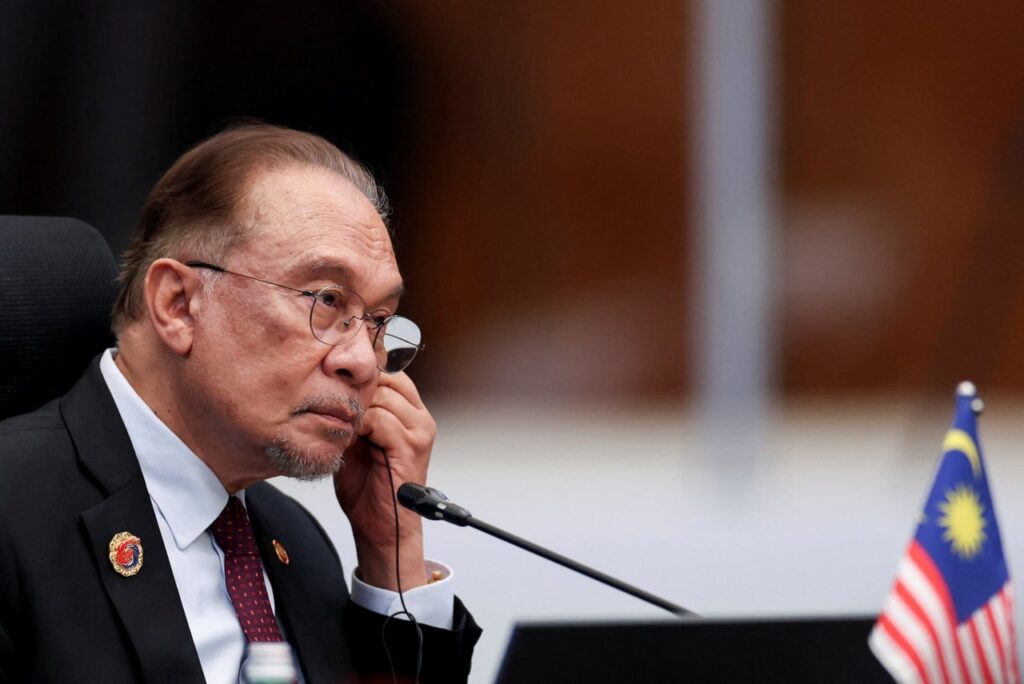
Prime Minister Anwar Ibrahim revealed the decision during a special Cabinet briefing on April 1, confirming that ministries, government agencies, statutory bodies, and government-linked companies (GLCs) will adopt the new policy. The move is aimed at reducing national fuel demand and protecting the country’s energy stability as global markets react to geopolitical tensions.
Middle East Conflict Driving Energy Concerns
The decision comes as global oil prices surge due to escalating tensions involving the United States, Israel, and Iran in the Middle East. Disruptions and fears surrounding key oil shipping routes such as the Strait of Hormuz have pushed crude prices higher, creating pressure on countries around the world.
Although Malaysia is a net oil exporter, the government has warned that rising global prices could still impact domestic fuel subsidies, inflation, and economic stability. Officials emphasized that proactive measures are necessary to reduce fuel usage and shield the economy from external shocks.
Key Details of the Work-From-Home Directive
Guidelines from Malaysia’s Public Service Department outline how the work-from-home policy will be implemented across government institutions. The arrangement mainly targets civil servants who live more than 8 kilometers from their workplaces and those stationed in major administrative and urban centers.
The directive applies to employees in Putrajaya, Kuala Lumpur, Selangor, and state capitals, allowing eligible staff to work remotely for up to three days per week. However, critical sectors such as security, defense, health, and education are exempt, as their operations require physical presence.
At the state level, Selangor has already introduced its own version of the policy, scheduling work-from-home days from Tuesday to Thursday starting April 15, with monthly reviews to assess effectiveness.
Reducing Fuel Use and Economic Pressure
The government believes that reducing daily commuting among thousands of public sector employees will significantly cut fuel consumption and ease pressure on national energy resources. Lower traffic congestion and reduced transportation demand are expected to help stabilize fuel usage and support economic resilience during a volatile period in global energy markets.
Anwar Ibrahim has also called for social responsibility among higher-income groups and business leaders, urging them to support national efforts to manage rising costs and protect vulnerable populations from inflationary pressures.
Private Sector Encouraged to Follow
While the directive applies primarily to government institutions, the private sector has been encouraged to adopt flexible work arrangements where possible. Authorities hope that businesses will voluntarily implement similar policies to support national energy conservation efforts.
However, the absence of a mandatory requirement has sparked debate about whether private companies will fully cooperate or maintain normal operations, raising concerns about fairness and effectiveness across the broader economy.
Lessons from the Pandemic and Future Outlook
Malaysia’s experience with remote work during the COVID-19 pandemic has shown that many public sector roles can function efficiently with digital tools and flexible work systems. Still, challenges remain, particularly in rural digital infrastructure, productivity monitoring, and ensuring equal access to remote work opportunities.
The April 15 directive is seen as a temporary but strategic response to global energy pressures. Authorities have indicated that the policy will be reviewed regularly and adjusted depending on oil prices and developments in the Middle East conflict.
As global energy markets remain unstable, Malaysia’s work-from-home initiative reflects a pragmatic approach to balancing economic stability, energy security, and public welfare in an uncertain geopolitical environment.