Japan has ruled out deploying its Self Defense Forces to assist with mine removal operations in the Strait of Hormuz, even as tensions continue to escalate in the Middle East following the ongoing conflict involving the United States, Israel, and Iran.
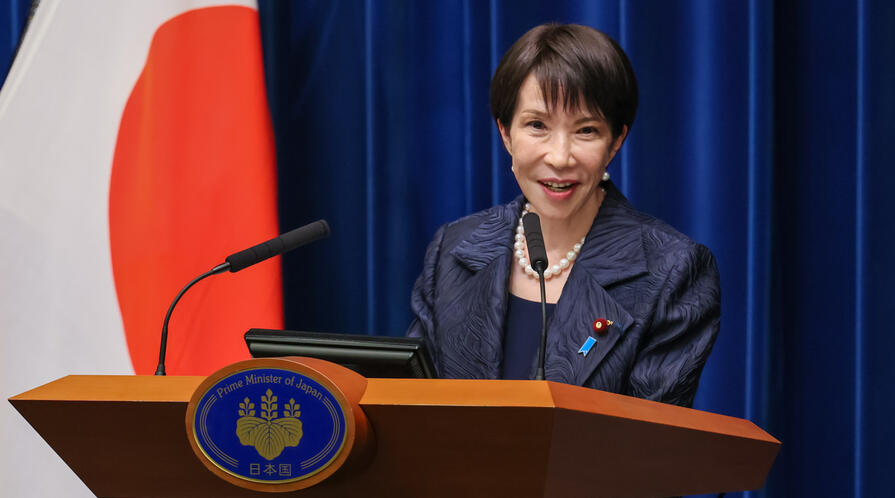
Prime Minister Sanae Takaichi made the announcement during a parliamentary session on March 12, 2026, addressing international concerns about the security of the strategic waterway. Reports have suggested that Iran may have laid naval mines in the Strait of Hormuz, raising fears of further disruptions to one of the most important global oil shipping routes.
The Strait of Hormuz is a critical chokepoint for the global energy market. Roughly one fifth of the world’s oil supply passes through the narrow passage each day, linking major oil producing nations in the Gulf to international markets. Any disruption to shipping in the area has immediate consequences for global oil prices and supply chains.
Prime Minister Takaichi explained that Japan cannot participate in active mine clearance operations while the conflict remains underway. She pointed to the country’s constitutional framework, particularly Article 9, which restricts Japan’s military role primarily to self defense.
According to the prime minister, involvement in such operations during an active conflict would exceed the legal scope of Japan’s Self Defense Forces. However, she suggested that a different situation could emerge after hostilities formally end. If the mines were considered abandoned ordnance following a concluded war, Japan might legally be able to contribute to clearance efforts without violating constitutional limits.
Despite Japan’s heavy dependence on energy imports from the Middle East, the government has decided not to deploy minesweepers or other naval forces to the region. The decision reflects Tokyo’s long standing caution toward overseas military involvement, even in multinational operations aimed at securing major sea lanes.
The statement comes at a time when Prime Minister Takaichi continues to enjoy strong domestic political support. Japan’s first female prime minister, who assumed office in October 2025 after a major leadership shift within the Liberal Democratic Party, strengthened her position after winning a landslide victory in the February 2026 snap general election.
Her administration now holds a historic supermajority in the lower house of parliament, giving her government significant political leverage to pursue conservative policy goals. These priorities include economic revitalization, strengthening national defense, and increasing Japan’s strategic autonomy on the global stage.
International observers say Japan’s stance highlights the delicate balance the country maintains between its security alliance with the United States and the constitutional limits placed on its military activities. While allies have encouraged broader participation in maritime security operations in the Gulf, Tokyo has traditionally preferred diplomatic engagement and non combat contributions.
The debate over Japan’s international security role remains active at home. Some policymakers support expanding the scope of Self Defense Forces operations abroad, particularly as regional tensions rise in areas such as the East China Sea and the wider Indo Pacific.
For now, the government appears committed to a cautious path. Prime Minister Takaichi’s administration has continued to strengthen defense partnerships and military capabilities, but it remains careful not to cross constitutional boundaries by entering active foreign conflicts.
As the situation in the Middle East continues to develop, analysts believe Japan could still contribute indirectly through humanitarian assistance, financial aid, or support for post conflict reconstruction. Such measures would allow Tokyo to help stabilize the region while protecting its own energy interests.
At present, however, Japan’s position is clear. Under the current conditions of an active conflict, there will be no deployment of Japanese Self Defense Forces to conduct mine removal operations in the Strait of Hormuz.