A Rare Maritime Movement in a Tense Region
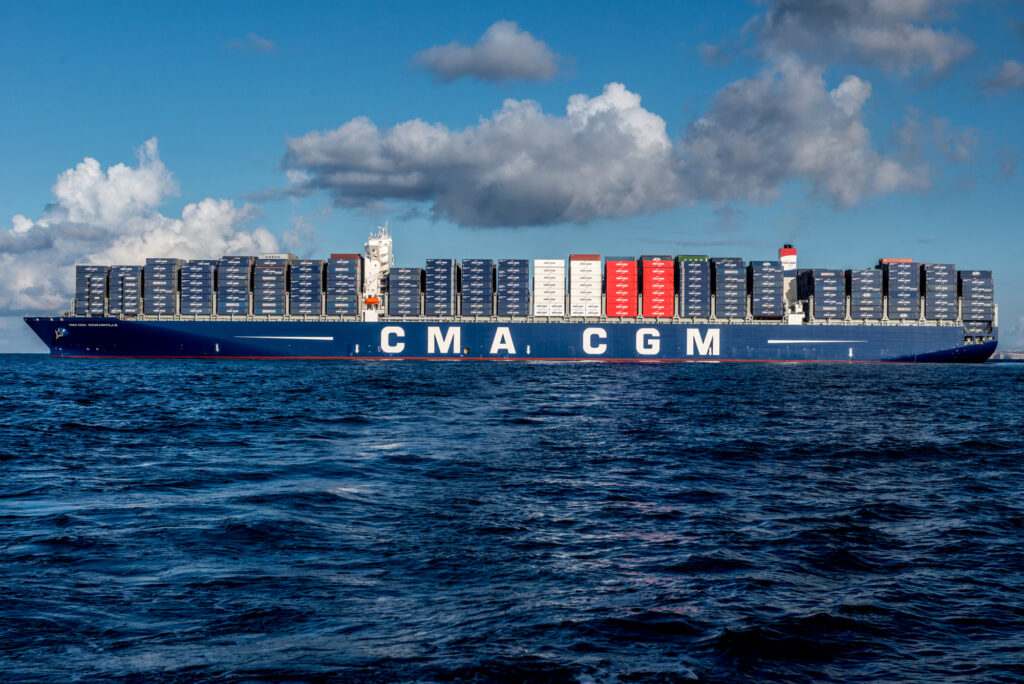
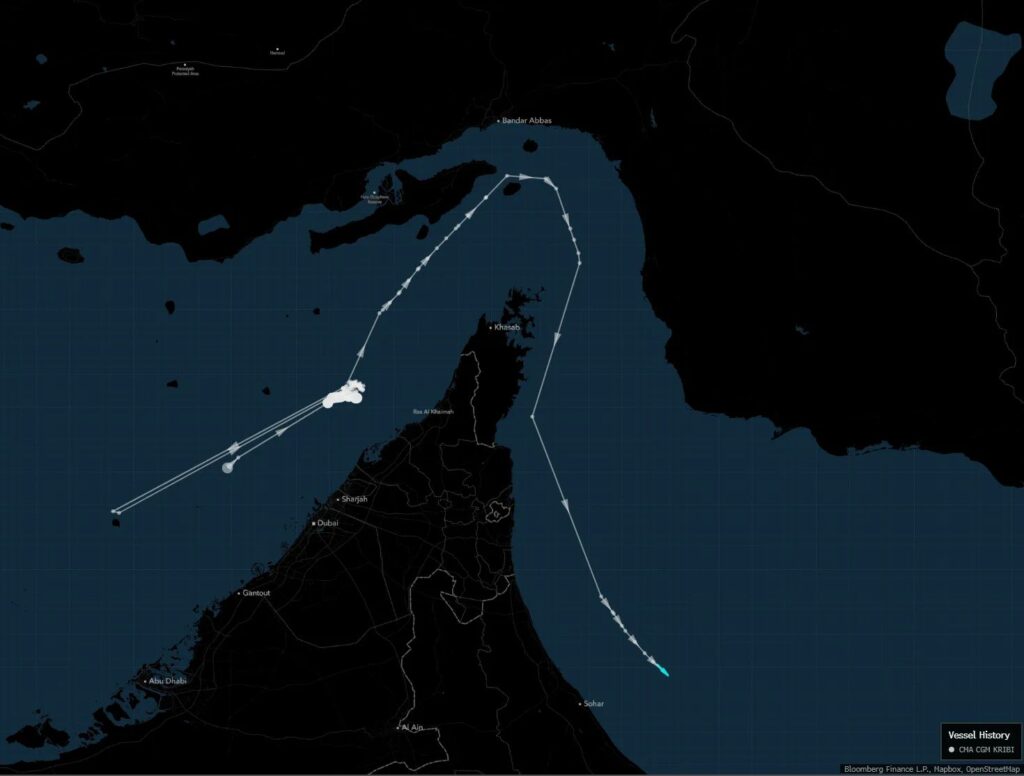
On April 2, 2026, the CMA CGM Kribi, a Malta-flagged container ship owned by French shipping giant CMA CGM, successfully passed through the strategically sensitive Strait of Hormuz and exited the Persian Gulf. The transit stands out as one of the first known passages by a Western Europe-linked commercial vessel since the escalation of the Iran conflict that followed U.S.-Israeli strikes in late February 2026.
At a time when much of the waterway has been effectively paralyzed by geopolitical tensions, the safe movement of this vessel signals a potentially important development in global shipping and regional diplomacy.
The Ship and Its Carefully Tracked Transit
The CMA CGM Kribi is a mid-sized container vessel with an estimated capacity of around 5,000 to 5,500 TEUs, operated by CMA CGM, the world’s third-largest container shipping company. The firm, founded in Marseille in 1978 and majority-owned by the Saadé family, plays a major role in global trade logistics.
Ship-tracking data showed the vessel departing waters near Dubai and navigating toward Iranian coastal waters. It closely followed the designated shipping channel between the islands of Qeshm and Larak, openly signaling its French ownership by updating its destination status to highlight “Owner France.”
By the following day, the ship had safely reached waters near Muscat, Oman, completing the transit without incident. Public tracking data also indicated that the vessel was carrying cargo, confirming it was operating as part of normal commercial activity rather than a symbolic or empty passage.
Why the Strait of Hormuz Matters
The Strait of Hormuz remains one of the most critical maritime chokepoints in the world. Roughly 20 to 30 percent of global seaborne oil and large volumes of liquefied natural gas typically pass through this narrow waterway.
Since the escalation of the Iran conflict, Iran has restricted passage for many non-allied vessels, leading to a dramatic reduction in commercial shipping traffic. Most ships that continued to transit were Iranian, Chinese, or from countries perceived as neutral by Tehran. Western-linked vessels largely avoided the route due to insurance risks, security threats, and the possibility of interference.
As a result, global energy supply chains and shipping routes have faced significant pressure, making any successful transit by a Western-affiliated vessel particularly noteworthy.
A Possible Diplomatic Signal
Analysts believe the safe passage of the French-linked ship may reflect a shifting diplomatic dynamic. Iran does not appear to view France as a primary hostile actor in the current conflict, which could explain the vessel’s successful navigation through the strait.
French President Emmanuel Macron has consistently emphasized diplomacy and de-escalation, advocating for reopening the strait through non-military measures. France has also announced plans for a defensive European escort mission once the most intense phase of the conflict subsides.
The vessel’s decision to openly signal French ownership may have been a calculated move to test this diplomatic space and demonstrate that limited commercial transit could still be possible under certain conditions.

Signs of a Tentative Reopening
The passage of CMA CGM Kribi could represent the early stages of a gradual reopening of maritime traffic in the region. Reports indicate that a Japanese tanker may have transited the strait around the same time, suggesting that cautious movement is beginning to return.
If more vessels follow, the development could ease pressure on global supply chains, reduce shipping costs, and stabilize energy markets that have been disrupted by the conflict.
However, the situation remains fragile. High insurance premiums, naval threats, and ongoing geopolitical tensions mean that widespread commercial traffic through the Strait of Hormuz is still far from guaranteed.
Broader Global Trade Implications
For CMA CGM and other major shipping companies, restoring reliable operations in the Persian Gulf is economically critical. The region remains a key hub for global trade, and prolonged disruption affects everything from oil supplies to consumer goods logistics.
The transit also highlights evolving geopolitical alignments, as European nations seek to secure energy routes while maintaining diplomatic flexibility rather than fully aligning with aggressive military strategies.
A Small but Significant Development
The successful transit of CMA CGM Kribi stands as a notable moment in an otherwise tense maritime environment. While it may not immediately signal a full reopening of the Strait of Hormuz, it introduces the possibility of limited commercial movement returning under carefully managed diplomatic conditions.
In the coming weeks, the movement of additional vessels through the strait will be closely monitored. Whether this transit marks the beginning of a broader de-escalation or remains a one-off exception will shape the future of global shipping and energy security in the region.
Also Read
Trump Tells UK to “Go Get Your Own Oil” as Strait of Hormuz Crisis Deepens Global Tensions
UK to Host 35-Nation Emergency Meeting to Reopen Strait of Hormuz Amid Iran Conflict