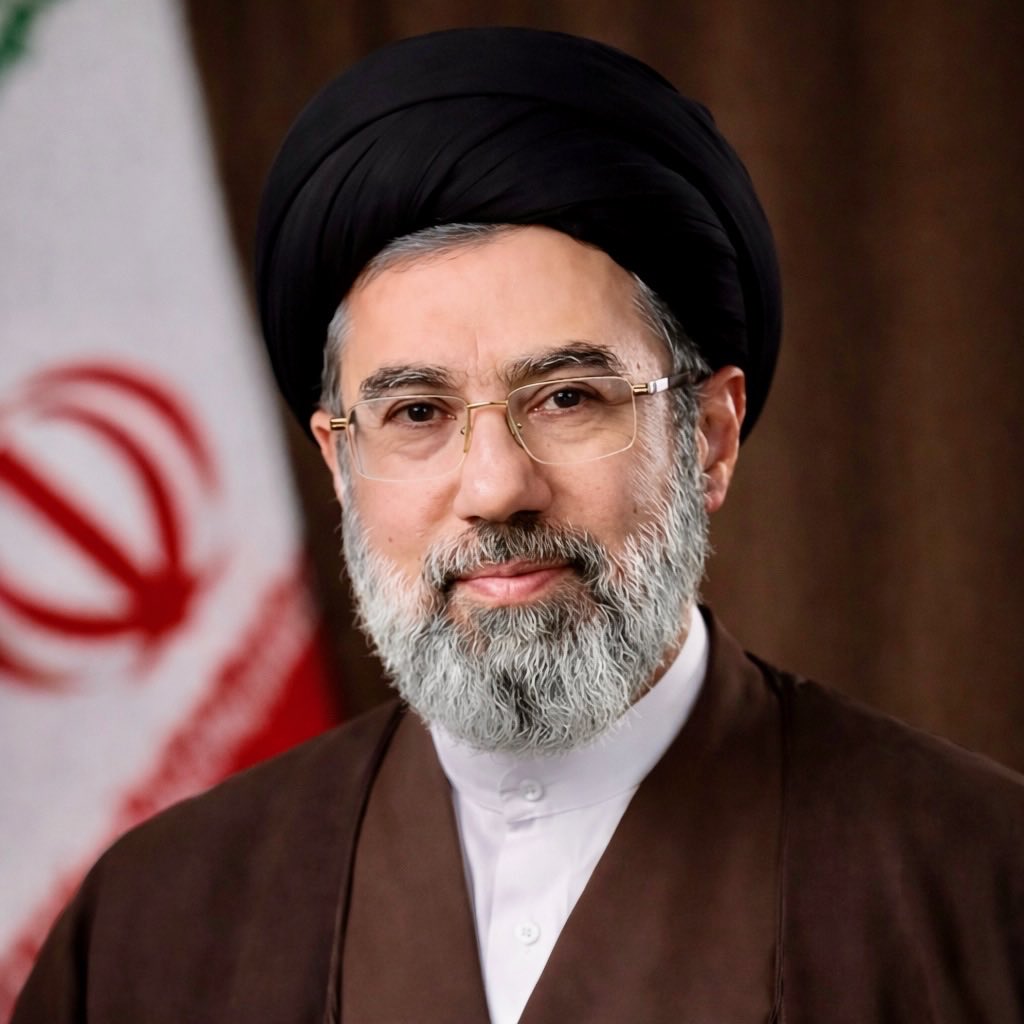
Mojtaba Khamenei has been appointed as the new Supreme Leader of the Islamic Republic of Iran, marking a dramatic leadership transition during one of the most volatile periods in the country’s modern history.
The appointment was announced on March 8, 2026 by the Assembly of Experts, the clerical body responsible for selecting Iran’s supreme authority. The decision came just over a week after the death of his father, Ali Khamenei, who was killed on February 28 during airstrikes attributed to joint operations by the United States and Israel.
The strikes triggered an escalating regional conflict involving missile exchanges and attacks across parts of the Middle East.
With the decision, Mojtaba becomes Iran’s third Supreme Leader since the 1979 revolution, following Ruhollah Khomeini and his father.
A Historic and Controversial Succession
Mojtaba’s elevation represents the first father to son transition of supreme leadership in Iran’s history, a move that has sparked debate both inside and outside the country.
Critics argue that the transition resembles dynastic rule, something the Iranian Revolution sought to end when it overthrew the monarchy of Mohammad Reza Pahlavi in 1979.
Supporters within Iran’s political establishment, however, have framed the appointment as necessary to maintain stability during wartime.
State aligned media outlets reported celebratory gatherings in parts of Tehran and other cities where supporters rallied behind the new leader.
Background and Influence
Born on September 8, 1969 in Mashhad, Mojtaba Khamenei is the second son of Ali Khamenei. Despite rarely holding official public office, he has long been considered an influential figure within Iran’s political and security circles.
Over the years he cultivated close ties with the powerful Islamic Revolutionary Guard Corps as well as elements of the intelligence services and conservative clerical networks.
Analysts have speculated for decades that he was being prepared as a potential successor, although the idea of hereditary leadership remained politically sensitive in the Islamic Republic.
Expected Leadership Approach
Observers expect Mojtaba Khamenei to pursue policies similar to or more hardline than those of his father.
The Supreme Leader in Iran serves as the highest political and religious authority, overseeing the armed forces, major strategic policies, and key state institutions.
His close relationships with the security establishment suggest he may prioritize a strong internal security posture and a confrontational foreign policy stance, particularly toward the United States and Israel.
The leadership transition comes at a time when Iran has reportedly launched additional missile and drone attacks in the region following the escalation of hostilities.
International Reactions
The appointment has drawn sharp criticism from Western governments.
Donald Trump, president of the United States, previously criticized Mojtaba as a potential successor and warned that Washington would closely monitor Iran’s leadership direction. Israeli officials have also indicated that Iran’s leadership structure could remain a strategic target amid the ongoing conflict. Mojtaba Khamenei assumes leadership during a period of severe national strain. Iran faces military confrontation across multiple fronts, economic pressure from sanctions, and internal frustration tied to inflation and political restrictions.
Despite public demonstrations of support in some areas, opposition voices have also surfaced within Iran, reflecting ongoing divisions over the country’s political direction. As the new Supreme Leader consolidates power, his decisions in the coming months could shape not only Iran’s domestic future but also the trajectory of the broader Middle East conflict.