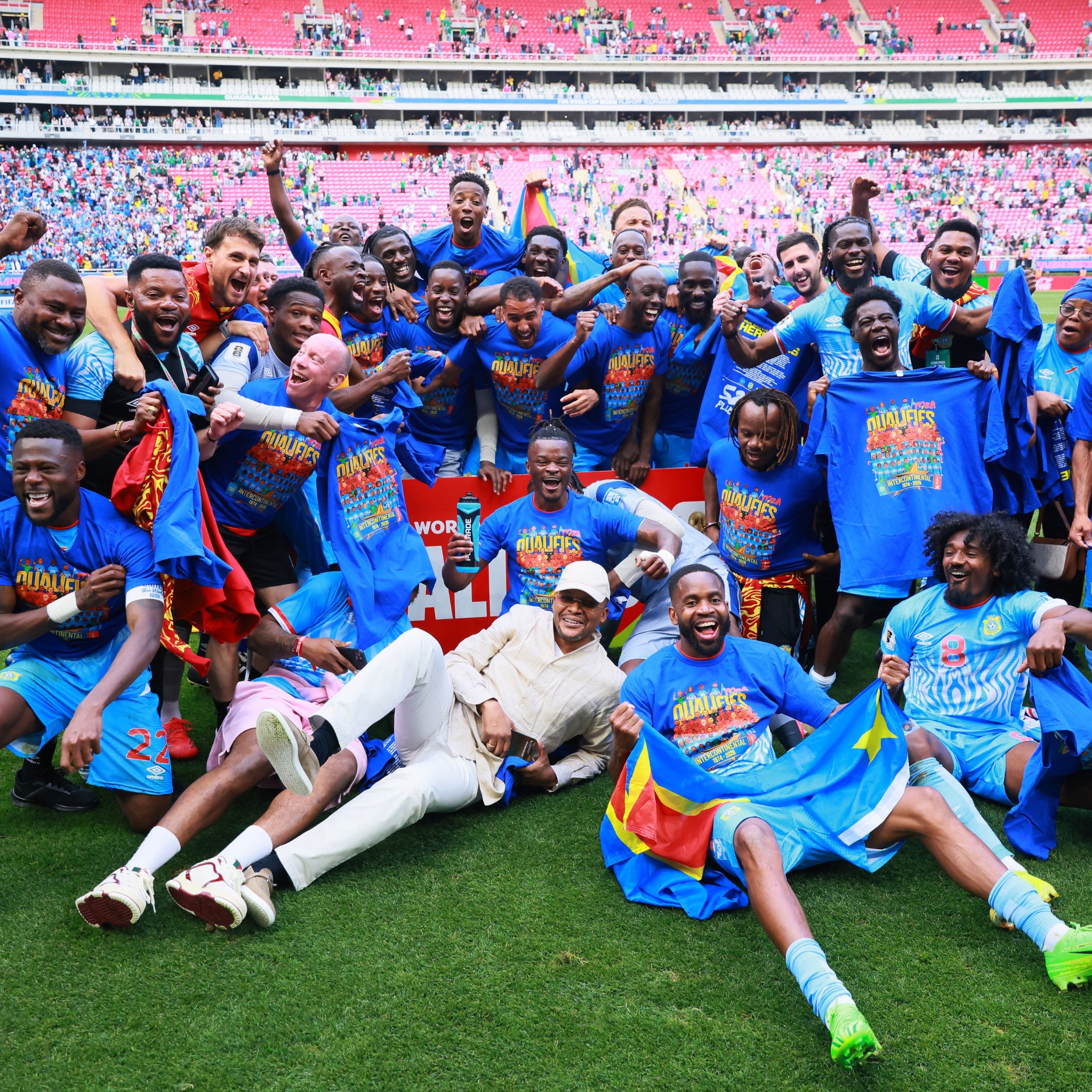
Historic Victory Sends Leopards Back to the World Cup
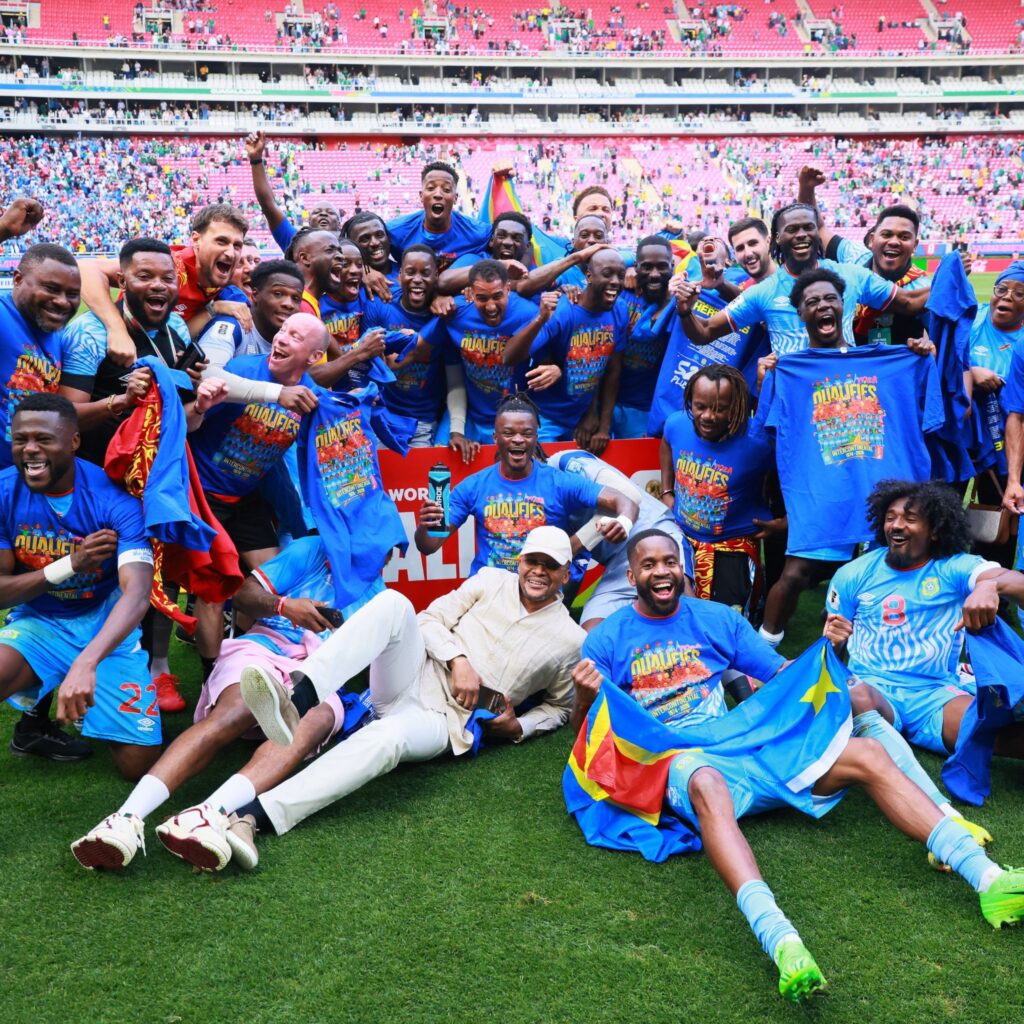
The Democratic Republic of the Congo made history on March 31, 2026, after its national football team, the Leopards, secured qualification for the 2026 FIFA World Cup with a dramatic 1-0 extra-time victory over Jamaica in the intercontinental playoff final held in Guadalajara.
The decisive moment came in the 100th minute when defender Axel Tuanzebe scored from a corner kick, breaking a goalless deadlock and sealing qualification for the expanded global tournament co-hosted by Canada, Mexico, and the United States.
The victory also confirmed DR Congo as Africa’s 10th representative at the tournament, marking a major milestone for the country’s football history.
Ending a 52-Year World Cup Drought
The qualification ends a 52-year wait for the Leopards, who last appeared at the World Cup in 1974 when the country was known as Zaire. That 1974 tournament, hosted in West Germany, saw Zaire become the first Sub-Saharan African nation to reach the World Cup. However, the campaign was difficult, with heavy defeats including a 9-0 loss to Yugoslavia and an early group-stage exit without scoring a goal. Since then, despite strong performances in African competitions and two Africa Cup of Nations titles, DR Congo had failed to return to football’s biggest stage until now.
Tough Road Through Qualifiers
The journey to the 2026 FIFA World Cup was far from easy. DR Congo finished second in their CAF qualifying group behind Senegal before advancing through intense playoff rounds. The Leopards defeated Cameroon and edged past Nigeria to reach the intercontinental playoff final.
The final against Jamaica turned into a tense and physical battle that remained goalless after 90 minutes before Axel Tuanzebe’s extra-time goal sealed the historic win. DR Congo is now set to compete in Group K alongside Portugal, Colombia, and Uzbekistan.
Government Declares National Holiday
In response to the historic achievement, the DR Congo government declared Wednesday, April 1, 2026, a nationwide paid public holiday. The announcement, issued through the Ministry of Labour and Employment, invited citizens to celebrate the qualification in unity and national pride, recognizing the moment as a historic milestone for the country. The decision reflects the immense emotional and cultural importance of football in DR Congo, where the sport remains a powerful symbol of unity and national identity.
Nationwide Celebrations in Kinshasa
Celebrations erupted across the country, especially in the capital, Kinshasa, where fans flooded the streets in joy. Supporters danced in the rain, waved flags, and lit fireworks as the nation celebrated a long-awaited return to the world stage. The scenes captured a rare moment of unity and collective happiness in a country often facing political and economic challenges. Many citizens described the qualification as bigger than football, calling it a symbol of hope and national pride for millions.
The Leopards’ qualification marks the beginning of a new era for football in the Democratic Republic of the Congo. With a squad blending local talent and diaspora players, the team now looks ahead to the tournament scheduled for June and July 2026. The achievement not only revives memories of the 1974 campaign but also signals a fresh opportunity to rewrite the country’s World Cup history.
The April 1 national holiday stands as a tribute to a moment that united the nation after more than five decades of waiting, as DR Congo prepares to take its place among the world’s football elite.
Also Read
Africa Makes History with 10 Teams at the 2026 FIFA World Cup