

As Uganda’s economy hums toward its ambitious 10x growth target, aiming to balloon from $66 billion to $500 billion in five years, the business landscape is buzzing with a mix of export highs, digital disruptions, and fiscal pressures. With President Yoweri Museveni pledging this quantum leap during his ongoing campaign, the private sector is navigating record coffee exports, a fintech regulatory tightrope, and a surge in tax disputes that could unlock billions for reinvestment. From the fertile hills of Mitooma to Kampala’s boardrooms, here’s what’s trending in Uganda’s business arena right now.
Coffee: Uganda’s Black Gold Hits Record Highs
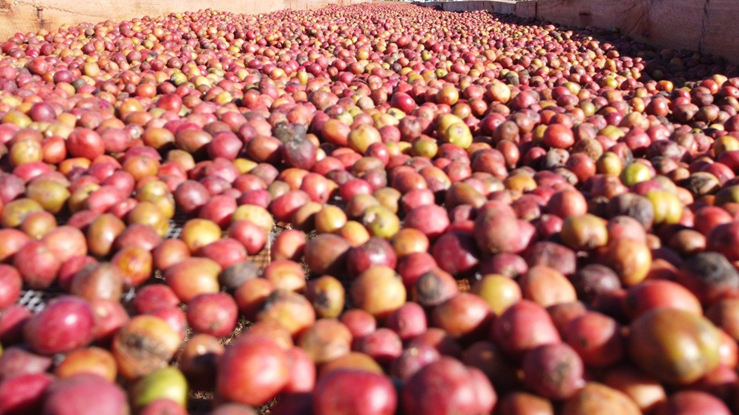
Uganda’s coffee sector is brewing a storm, with exports smashing records in June 2025, fueled by bumper harvests in Greater Masaka and the southwest. Priced at a premium amid global supply jitters, the cash crop, employing over 12 million people and accounting for 20% of export earnings, has farmers and exporters toasting to Shs 1.2 trillion in revenues for the season.
This week, all eyes are on the Coffee Business Forum in Mitooma District, hosted by Rubanga Cooperative Society at its 40th anniversary celebrations. Kicking off Friday, the event unites farmers, investors, and stakeholders like Kwezi Coffee’s Barbara Mugeni and ITC’s Brenda Akankwasa for discussions on value addition, climate resilience, and export hurdles. “Uganda’s coffee story is one of growth, but challenges like fluctuating prices and post-harvest losses demand innovation,” Mugeni told NBS ahead of the forum.
On X, the chatter is electric: Users hail the forum as a “game-changer for smallholders,” with hashtags like #Rubangaat40 trending alongside calls for better processing infrastructure. One Acre Ventures’ recent investment in Enimiro Uganda for coffee processing expansion underscores the sector’s investor appeal, blending agribusiness with smallholder empowerment. Yet, as global demand soars, locals warn of vulnerabilities: “Record exports are great, but without local roasting hubs, we’re shipping jobs abroad,” tweeted a Kampala trader.
Fintech Frenzy: Innovation Meets Regulation
Uganda’s digital economy is accelerating, with fintech at the forefront, yet the government’s push for balance between innovation and oversight is sparking debates. The Bank of Uganda’s tightened guidelines on mobile money and digital lending aim to curb fraud and money laundering, but critics argue they’re stifling startups in a market projected to hit $1 billion by 2027.
This Thursday’s Business Vision edition dives deep into the fray, highlighting how platforms like MTN MoMo and Airtel Money, handling over 70% of transactions, navigate the regulatory maze. “Fintech is Uganda’s rocket fuel for inclusion, but without smart rules, it risks exploding,” notes the feature, amid a 40% uptick in digital wallet users post-2024. X users echo this: Posts on #FintechUG lament compliance costs for SMEs, while praising innovations like blockchain remittances that slash fees for diaspora senders.
Adding to the mix, Britam Uganda’s launch of Britam Life assurance expands financial services, targeting a $2 billion insurance gap. Vivo Energy’s “Ebyakabi Nze Abirina” campaign for Shell Advance oils ties into this, empowering boda boda riders, now Uganda’s second-largest employers with 1.5 million ridersas micro-entrepreneurs.
Disputes Soar as Revenue Ambitions Clash with Business Realities
Uganda’s tax net is widening, but so are disputes. The Uganda Revenue Authority’s (URA) aggressive enforcement via EFRIS has ballooned cases at the Tax Appeals Tribunal (TAT) from 181 in 2020 to 410 in FY2025, with Shs 1.2 trillion in contention and Shs 506 billion in resolved refunds awaiting release.
The World Bank flags Uganda’s tax system as “on the back foot,” with 80% of the economy informal and evasion rampant. Yet, URA’s haul hit Shs 18 trillion in Q2 2025/26, funding everything from roads to PDM. Businesses gripe about URA raids like the seizure of 427 smuggled phones at Entebbe while praising formalization drives targeting 873,000 informal outfits by 2027.
On X, #TaxJustice trends with SMEs venting: “Tighter controls fund growth, but TAT delays kill cash flow,” posts one manufacturer. The Independent reports 13,000+ new firms registered in 2023/24, crediting URSB’s streamlined laws, but warns of a “debt safety trap” where 54% of GDP is borrowed.
Sustainability and Infrastructure
ESG is gaining traction, with firms like UBL investing Shs 1.5 billion in water projects per its 2025 Sustainability Report. PostBank’s green financing for waste-to-energy startups offers discounted loans till October 27, aligning with “Musevenomics” pillars: agro-industrialization, tourism, minerals, and tech.
Infrastructure shines too: The Olwiyo-Pakwach road (62.5km under construction) and Olwiyo-Gulu (70.3km complete) are unlocking markets in Nwoya and West Nile, slashing transport costs for farmers. Electricity access hits 60%, powering SMEs in Nebbi and beyond.
But headwinds loom: Rising costs from inflation and shilling depreciation threaten SMEs (90% of businesses), per X analyses. Bank of Baroda’s new board appointee signals banking stability, while ICPAU’s fresh council eyes ethical accounting amid growth pains.
The Bigger Picture
Uganda’s business trends paint a resilient yet strained canvas: Record registrations (13K+ last year) and forums like UMA’s digitized trade fair (150K attendees October 2-12) signal entrepreneurship’s rise. Pension funds push resource pooling for development, reducing donor reliance.
As Museveni tours, promising agro-boosts and oil in 2026, the UAE Business Forum looms as a FDI magnet. X sentiment? Optimistic but cautious: “Coffee and fintech are wins, but fix taxes and costs for real 10x,” sums up a Gulu entrepreneur. In Uganda’s high-stakes business game, innovation is the ace but execution will decide the pot.


