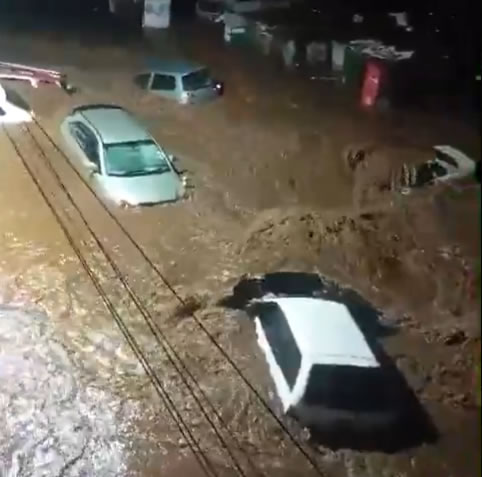
The Kenyan capital is grappling with heartbreak and devastation after powerful floods swept through parts of the city following intense rainfall on March 6. At least ten people have been confirmed dead as emergency teams continue search and recovery operations across several flooded neighborhoods.
The disaster unfolded as relentless rains overwhelmed drainage systems and rivers, turning major roads and residential areas into fast-moving waterways. Rescue crews and residents alike have spent hours navigating submerged streets in a desperate effort to locate survivors and retrieve victims.
One of the most disturbing scenes emerged along Kirinyaga Road in central Nairobi, where multiple bodies were reportedly discovered inside vehicles trapped by rapidly rising floodwaters. The images of submerged cars and rescue teams pulling victims from the wreckage have become a haunting symbol of the tragedy unfolding across the city.
Authorities say the victims died in different circumstances during the chaos. Several people drowned after being caught in sudden flash floods, while others died from electrocution after coming into contact with live power lines exposed by the storm.
Floodwaters struck several neighborhoods particularly hard, including Parklands, Lang’ata, South B, South C, Mathare, and Kibra. In many areas, roads became impassable within minutes, preventing rescue teams from reaching stranded residents quickly.
Emergency workers described scenes of panic as vehicles were swept away by the rushing water and families were forced to climb onto rooftops or higher ground to escape the floods.
The Kenya Red Cross has been leading rescue operations across the city, managing to evacuate dozens of people trapped in flooded homes and vehicles. Volunteers have worked through the night alongside police and military teams to reach affected communities.
Among those lost in the disaster was Samuel Wangila, a volunteer with the Kenya Red Cross who died while attempting to rescue a 14-year-old boy in the Mbagathi area. Reports say Wangila came into contact with a live electrical wire hidden in the floodwaters during the rescue attempt, sacrificing his life while trying to save another.
His death has sparked an outpouring of grief and praise for the bravery shown by first responders risking their lives in dangerous conditions.
The floods have also displaced thousands of residents across Nairobi, forcing families to abandon waterlogged homes. Schools in parts of Eastleigh have been surrounded by floodwaters, temporarily halting classes as authorities assess safety risks.
Major roads across the capital including Uhuru Highway, Thika Superhighway, and Mombasa Road—have experienced severe disruptions due to flooding and stranded vehicles, further complicating rescue efforts.
The Kenya Meteorological Department has warned that more rainfall could continue through March 9, raising fears that already saturated ground and swollen drainage systems could trigger additional flooding.
Meanwhile, families have begun gathering at hospitals and mortuaries across the city searching for missing loved ones, as officials warn the death toll could still rise while recovery operations continue.
Authorities are urging residents in flood-prone areas to remain cautious and avoid crossing flooded roads or rivers. For now, Nairobi faces the painful aftermath of a disaster that has left communities grieving, homes destroyed, and a city reflecting on the urgent need for stronger flood preparedness and infrastructure.