NASA Launches Artemis II on Historic Crewed Mission
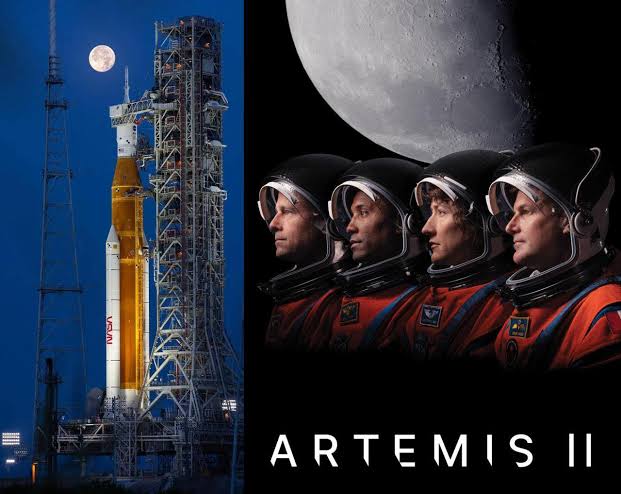
NASA’s Artemis II mission marks the first crewed flight of the Artemis program, reigniting humanity’s journey to deep space over 50 years after the final Apollo mission in 1972. Launched on April 1, 2026, from Kennedy Space Center in Florida aboard the Space Launch System (SLS), Artemis II sent four astronauts on a roughly 10-day mission aboard the Orion spacecraft, named Integrity for this flight. Unlike a lunar landing, the mission was designed as a free-return flyby, looping around the Moon and providing critical tests for future landings.
During the flyby, the crew approached within 4,070 miles (6,545 km) of the Moon’s surface, primarily observing the far side. They also traveled farther from Earth than any humans before, surpassing the Apollo 13 record with a peak distance of approximately 252,760 miles. This milestone highlights the mission’s role in pushing human space exploration beyond familiar territory.
Testing Orion for Deep Space Missions
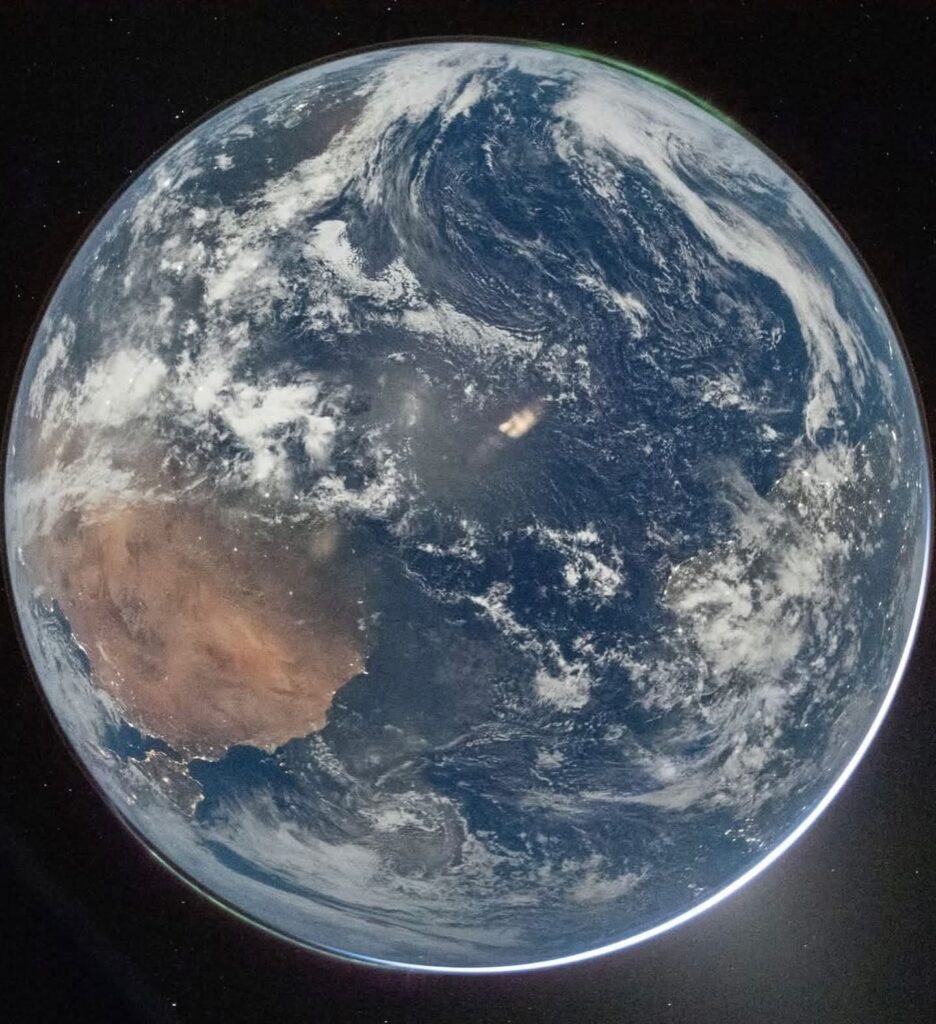
Artemis II was a crucial test of the Orion spacecraft’s life support, propulsion, navigation, and re-entry systems with humans on board. The mission validated these capabilities under real conditions, ensuring astronauts’ safety for future lunar landings starting with Artemis III. On April 6, the crew experienced about 40 minutes of communications blackout while behind the Moon, conducted detailed lunar observations, and captured unprecedented imagery of both the Moon and Earth from deep space. Splashdown is scheduled for April 10 in the Pacific Ocean off San Diego.
Meet the Artemis II Crew
The crew represents a new era of space exploration, showcasing diversity and international collaboration: the first woman, first Black man, and first non-American to fly beyond low Earth orbit on a lunar mission.
Commander Reid Wiseman (NASA)
Reid Wiseman, 50, a U.S. Navy veteran and former ISS astronaut, leads the mission. With a background in computer and systems engineering, Wiseman oversaw mission operations and shared personal reflections, including tributes during the lunar flyby.
Pilot Victor Glover (NASA)
Victor Glover, 49, a U.S. Navy captain and test pilot, previously piloted the first operational SpaceX Crew Dragon mission. He is the first Black astronaut to venture beyond low Earth orbit, bringing extensive piloting experience to the Orion spacecraft.
Mission Specialist Christina Hammock Koch (NASA)
Christina Koch, 47, holds the record for the longest single spaceflight by a woman—328 days on the ISS. On Artemis II, she conducted systems testing, lunar observations, and science activities, becoming the first woman to fly to the Moon.
Mission Specialist Jeremy Hansen (CSA)
Jeremy Hansen, 50, from Canada, is a Royal Canadian Air Force fighter pilot and the first Canadian to fly beyond low Earth orbit. On his debut mission, Hansen participated in deep-space operations and lunar observations, representing international cooperation in space exploration.
Historic Achievements and Mission Highlights
Artemis II demonstrates the importance of diversity, international partnership, and technical expertise in advancing human spaceflight. The crew tested manual and automated operations, monitored habitability in deep space, and proposed names for two previously unnamed lunar craters: Integrity for the spacecraft and Carroll in honor of Wiseman’s late wife.
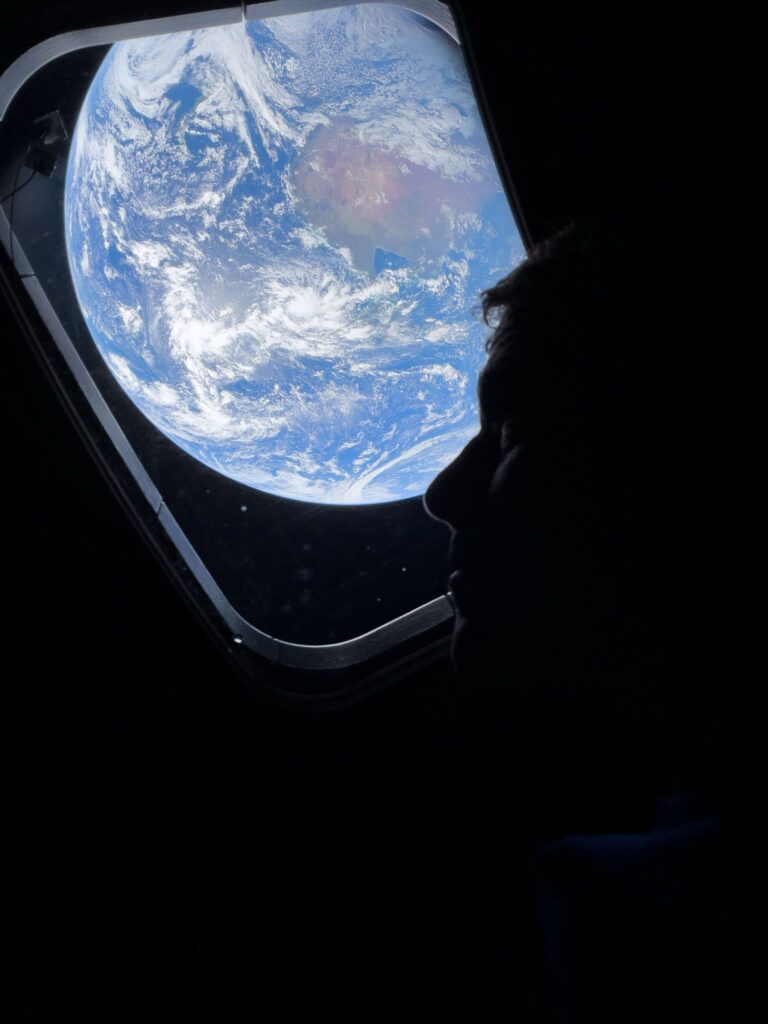
During the flyby, the astronauts witnessed a stunning Earthset, conducted scientific observations, and set a new human distance-from-Earth record. The mission provides vital insights into long-duration spaceflight, preparing for future lunar landings and laying the groundwork for eventual Mars exploration.
As Artemis II heads toward its Pacific splashdown, its success underscores humanity’s next chapter in space: a blend of precision engineering, human resilience, and global collaboration that will shape lunar exploration for generations to come.