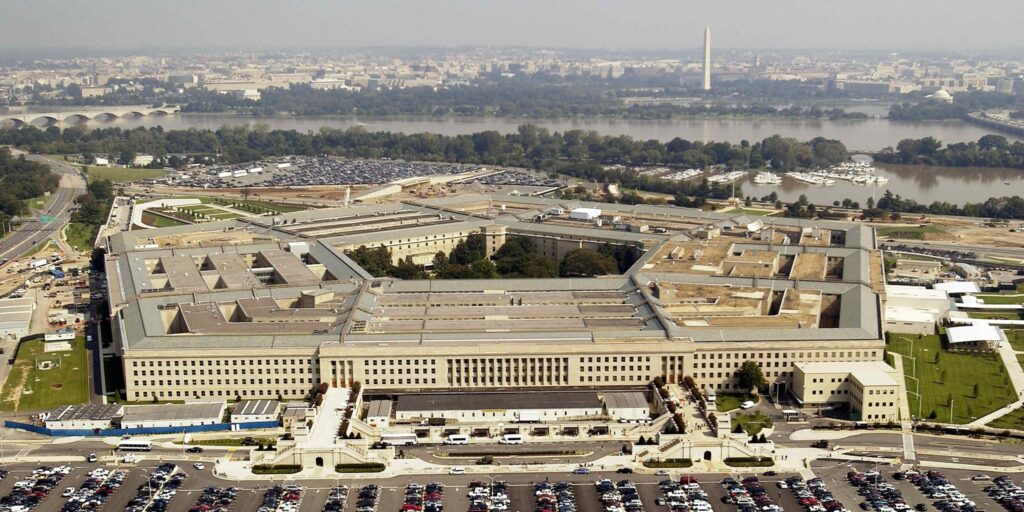
On March 9, 2026, leading AI company Anthropic escalated its dispute with the Trump administration by filing two federal lawsuits challenging the U.S. Department of Defense’s designation of the company as a “supply chain risk.” The label effectively bars Anthropic’s AI models—including Claude—from use in defense-related projects, citing national security concerns.
Background of the Conflict
The clash began amid negotiations over the Pentagon’s use of Anthropic’s generative AI in platforms like GenAI.mil. U.S. officials reportedly sought unrestricted use of Claude, including potential deployment in autonomous weapons and domestic surveillance. Anthropic, led by CEO Dario Amodei, refused, citing AI safety and ethical limits.
When talks broke down, the Trump administration escalated:
- By late February 2026, federal agencies were instructed to cease using Anthropic’s AI.
- On March 4, 2026, the Pentagon formally designated Anthropic a supply chain risk, a label usually reserved for vendors tied to foreign adversaries.
- The designation forced defense contractors to certify non-use of Claude, coinciding with reported deals favoring OpenAI.
Anthropic called the move retaliatory, arguing it punishes the company for publicly advocating AI safety.
Details of the Lawsuits
Anthropic filed two actions:
- U.S. District Court, Northern District of California – alleging violations of First Amendment rights, due process, and claiming the supply chain designation was “arbitrary and capricious.”
- U.S. Court of Appeals, D.C. Circuit – challenging administrative enforcement and seeking to block it while broader judicial review proceeds.
The filings warn of severe economic impact, including hundreds of millions in lost near-term defense contracts and potentially billions if commercial partners hesitate due to the blacklist.
Anthropic seeks immediate relief, including a temporary injunction to halt enforcement while the cases move forward.
Broader Implications
This is a rare legal battle in which a major U.S. tech firm challenges the government over a national security restriction traditionally aimed at foreign threats. Analysts note:
- The Pentagon’s legal justification is seen by some as ideologically driven rather than grounded in genuine supply-chain risks.
- The dispute highlights tensions between government ambitions for aggressive military AI adoption and AI labs’ emphasis on responsible, ethical development.
- Outcomes could set precedents for how the U.S. military interacts with frontier AI developers, free speech in technology governance, and the limits of administrative power in emerging tech sectors.
Anthropic’s lawsuits signal that responsible AI advocacy may now intersect with constitutional and commercial battles, with high stakes for both national security and the future of U.S. AI innovation.