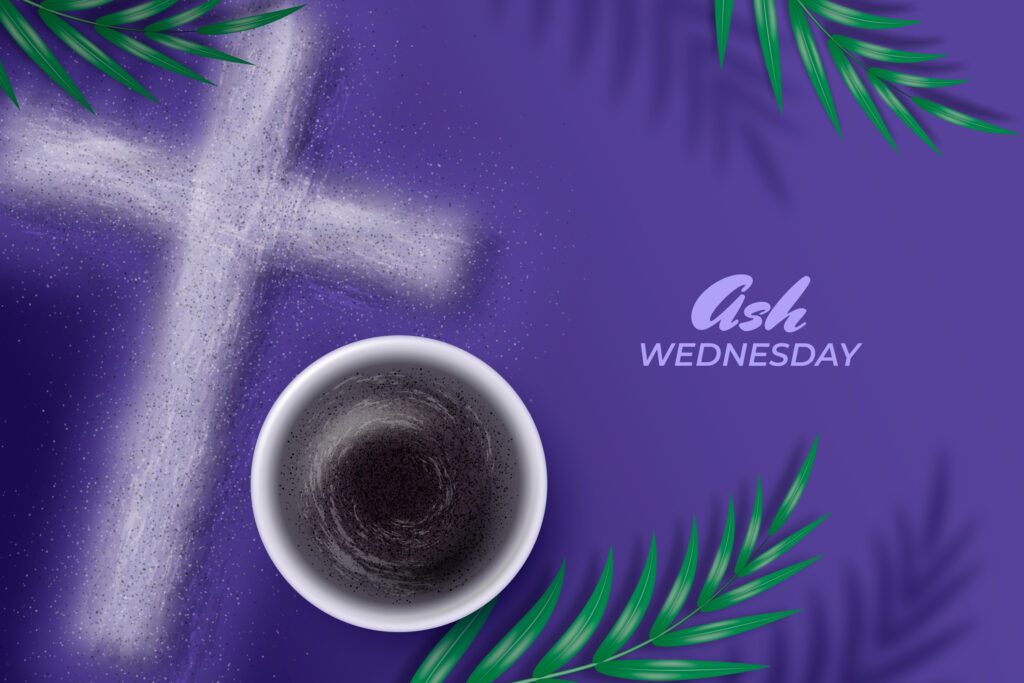
Today, February 18, 2026, is Ash Wednesday—the solemn beginning of Lent in the Western Christian tradition, observed by the Catholic Church and many Protestant communities. Across the world, churches are filled with worshipers who receive the sign of the cross traced in ashes upon their foreheads. As the ashes are imposed, the minister proclaims either, “Remember that you are dust, and to dust you shall return,” or “Repent, and believe in the Gospel.” This ancient and striking ritual marks the start of a forty-day journey of repentance, renewal, and preparation for Easter.
The Meaning and Biblical Roots of Lent
Lent is built upon three traditional pillars: prayer, fasting, and alms giving. Through these practices, Christians seek to draw closer to God by turning away from sin, disciplining the body and spirit, and serving those in need.
The season’s forty days (excluding Sundays) recall Christ’s forty days of fasting and temptation in the wilderness, as recounted in the Gospels of Matthew, Mark, and Luke. In that time of hunger and testing, Jesus confronted temptation and remained faithful through trust in the Father. Lent invites believers to follow that pattern—facing personal weaknesses honestly, deepening reliance on God’s word, and preparing their hearts to enter more fully into the mystery of Christ’s Passion, Death, and Resurrection.
The English word “Lent” comes from an Old English term meaning “spring,” suggesting new life and renewal. In the Church’s Latin tradition, the season is called Quadragesima, meaning “forty days.”
Ash Wednesday: A Call to Repentance
Ash Wednesday is a day of fasting and abstinence in the Catholic Church. Adults aged 18 to 59 are asked to fast—traditionally understood as one full meal and two smaller meals that together do not equal a full meal—while all Catholics aged 14 and older abstain from meat.
The ashes, typically made from the burned palms of the previous year’s Palm Sunday, are a visible sign of humility and mortality. They remind believers of human frailty and the urgent call to conversion. Scripture readings for the day often emphasize interior repentance, including the prophet Joel’s exhortation, “Rend your hearts, not your garments,” and Jesus’ teaching in Matthew 6 on sincere prayer, fasting, and alms giving.
The Lenten Journey in 2026
In the Catholic liturgical calendar, Lent 2026 begins today, February 18, and continues until the evening Mass of the Lord’s Supper on Holy Thursday, April 2, which inaugurates the Paschal Triduum—the three sacred days leading to Easter.
Key dates this year include:
-
Palm Sunday: March 29, 2026
-
Holy Thursday: April 2, 2026
-
Good Friday: April 3, 2026
-
Holy Saturday (Easter Vigil): April 4, 2026
-
Easter Sunday: April 5, 2026
Although Lent spans forty days, Sundays are not counted in that number, as each Sunday is a celebration of the Resurrection and retains a note of hope and joy even within a penitential season.
Living Lent Today
Lenten observance varies by denomination and personal devotion, but common practices include:
-
Fasting: Beyond the required fasts of Ash Wednesday and Good Friday, many choose additional voluntary fasts or simpler meals, especially on Fridays.
-
Abstinence: Catholics traditionally abstain from meat on Fridays as a sign of sacrifice and solidarity with Christ’s suffering.
-
Prayer: Many deepen their prayer life through daily Mass, Scripture reading, the Rosary, or devotions such as the Stations of the Cross.
-
Almsgiving: Increased charitable giving, volunteering, and intentional acts of mercy reflect the outward dimension of conversion.
-
Personal sacrifices or commitments: Some “give up” comforts such as sweets or social media; others “take up” new habits like daily reflection or acts of kindness.
Parishes often offer special Lenten programs, retreats, and community gatherings—such as Friday fish fries—that foster fellowship while honoring the season’s disciplines.
A Season of Transformation
Ash Wednesday is not merely a reminder of mortality; it is an invitation to transformation. Lent calls Christians to strip away distractions, confront what separates them from God and neighbor, and journey toward the joy of Easter with renewed hearts.
Whether marked by liturgical worship or quiet reflection at home, this season offers a sacred opportunity to realign priorities and prepare for the central mystery of the Christian faith: the triumph of life over death on Easter Sunday.
May this Lenten season bring deeper peace, steadfast faith, and hearts ever more open to grace.