Deadly multi-city offensive exposes security gaps and intensifies pressure on ruling military authorities
Mali faced one of its most coordinated waves of attacks in recent years on April 25–26, 2026, when armed groups launched simultaneous strikes across the country. The assaults targeted military and strategic sites in multiple regions, including the capital Bamako and key northern and central cities.
The attacks triggered widespread fighting, temporary shutdowns, and renewed concerns about the country’s stability under military rule.
Coordinated Strikes Across Multiple Regions
The offensive began early in the morning with explosions and gunfire reported in several locations almost at the same time. In Bamako, residents heard heavy exchanges of fire near military installations and strategic infrastructure.
Key targets included the Kati military base, located near the capital, and areas around Modibo Keita International Airport. The airport was temporarily closed, and flights were suspended as security operations intensified.
Fighting also spread to cities in the north and center, including Gao, Kidal, Mopti, and Sévaré, highlighting the scale and coordination of the assault.
Armed Groups Claim Responsibility
Two armed movements claimed involvement in the attacks.
The first is JNIM, an extremist group linked to al Qaeda, which has been active across the Sahel region. The group focused its operations on central and southern targets, including areas around the capital.
The second is the Azawad Liberation Front, a Tuareg separatist movement operating mainly in northern Mali. It seeks greater autonomy for the Azawad region.
Reports suggest the groups coordinated their actions, marking a significant escalation in their long running insurgencies against the state.
Casualties and Security Impact
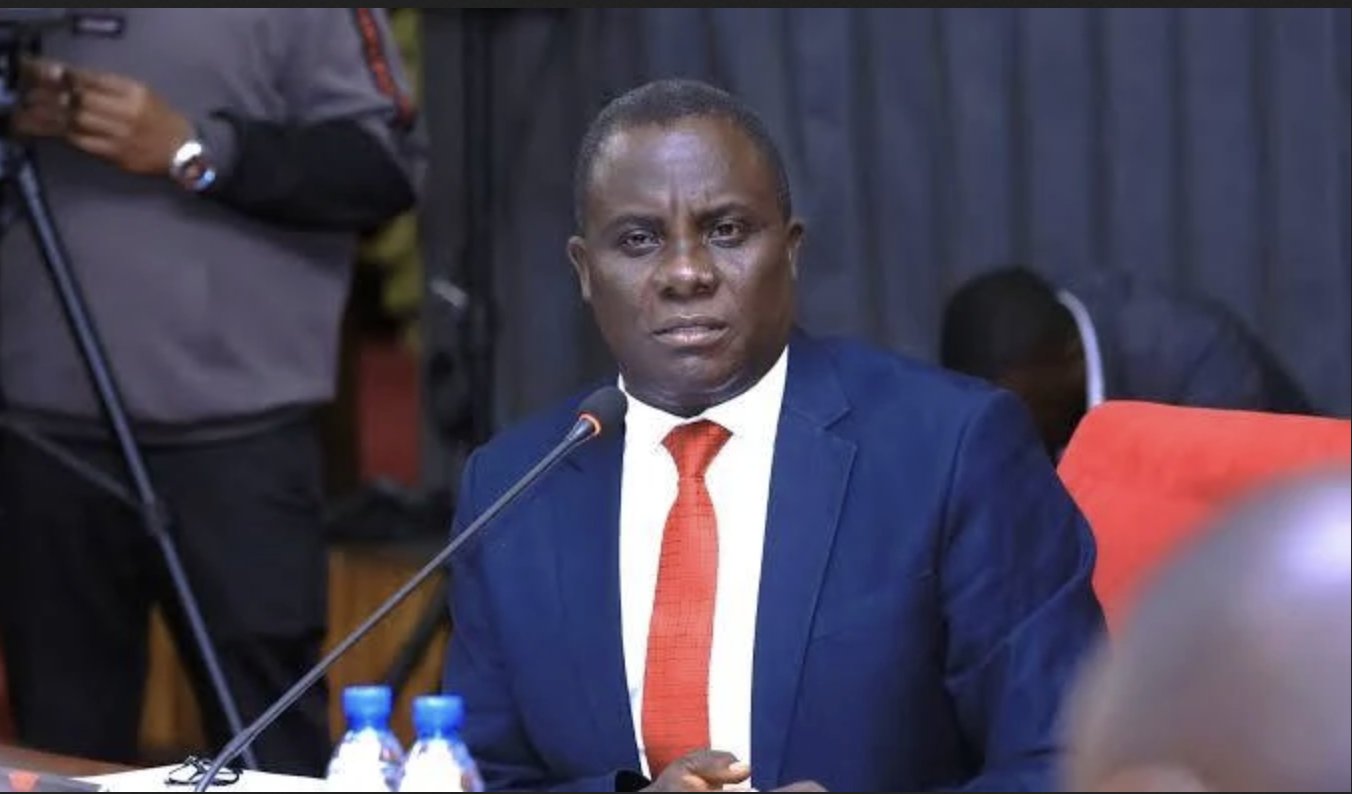
The attacks resulted in heavy clashes between armed groups and government forces. Mali’s Defence Minister Sadio Camara was reported killed during an attack in Kati, marking a major loss for the ruling authorities.
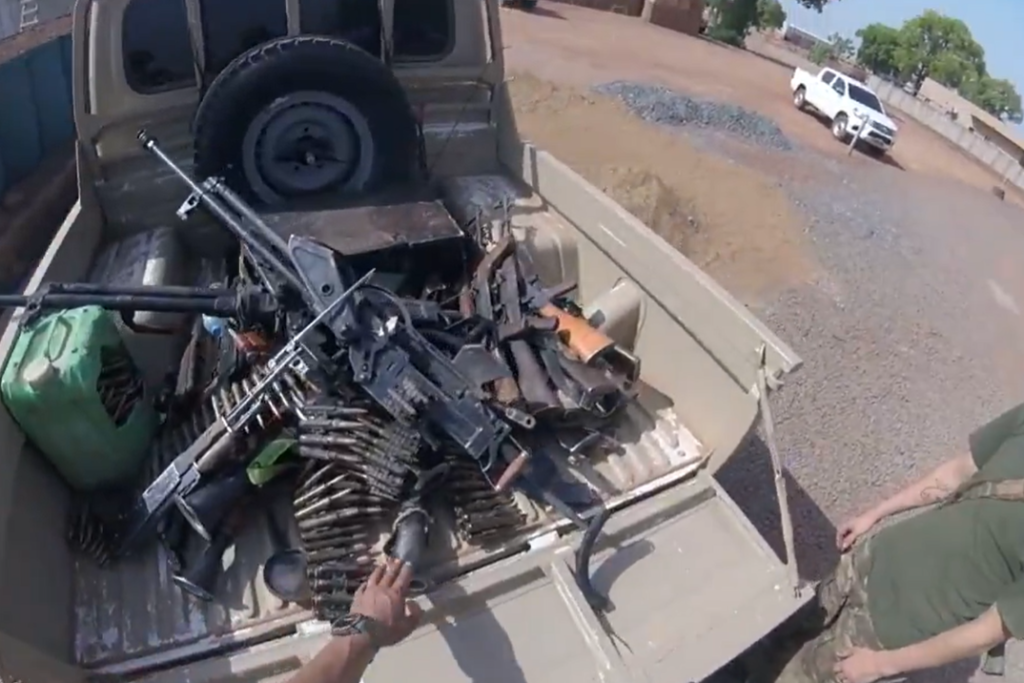
Gunfire and explosions continued for hours in several locations. There were also reports of aerial activity and the use of helicopters in response to the attacks.
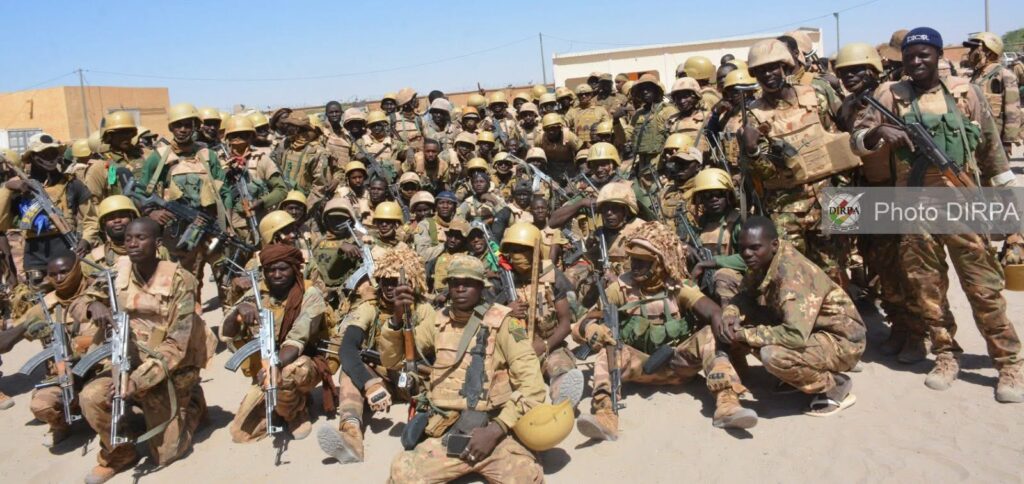
While the military government claimed it repelled most assaults and maintained control of key areas, independent reports indicated ongoing fighting in parts of the north and central regions in the days that followed.
Government Response and Security Measures
The military leadership in Mali, led by General Assimi Goïta, stated that the capital remains under control despite the scale of the attacks. Security forces launched counter operations and reinforced key positions.
A curfew was introduced in Bamako running from 9 p.m. to 6 a.m. for several days, with the possibility of extension depending on the security situation. Checkpoints were also established across major roads, and patrols increased in sensitive areas.
Authorities described the situation as contained in the capital, though acknowledged continued risks in outlying regions.
Wider Security Context
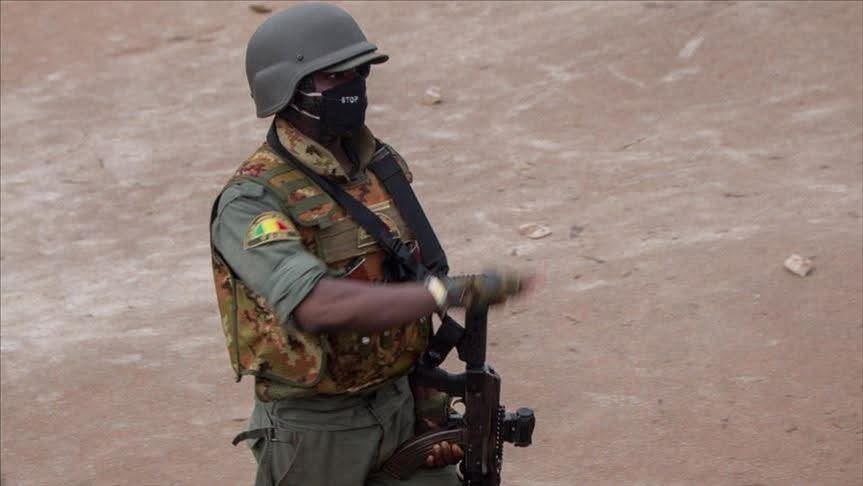
Mali has experienced ongoing instability since the 2021 military takeover. The government has since reduced cooperation with Western partners and increased reliance on Russian security support.
Despite these changes, armed groups continue to operate across large parts of the country. The ability to strike multiple cities, including the capital, highlights persistent security gaps and the limits of state control.
Civilian Impact and Travel Restrictions
Civilians in affected areas were advised to remain indoors during the clashes. Embassies issued safety alerts, with several advising citizens to shelter in place.
International travel advisories for Mali remain restrictive due to ongoing insecurity. Disruptions to fuel and supply chains in Bamako have added pressure on daily life, already affected by earlier instability.
Uncertain Situation Ahead
The situation remains fluid as security forces continue operations across multiple regions. While authorities maintain that they are in control of the capital, the scale and coordination of the attacks suggest deeper challenges ahead.
The incidents mark a significant escalation in Mali’s long running conflict and highlight the continued presence and strength of armed groups operating across the country.
Also Read
Sudan War Displacement Crisis Reshapes East Africa’s Refugee Landscape
US Iran Conflict Shakes Global Energy Markets and Pressures African Economies