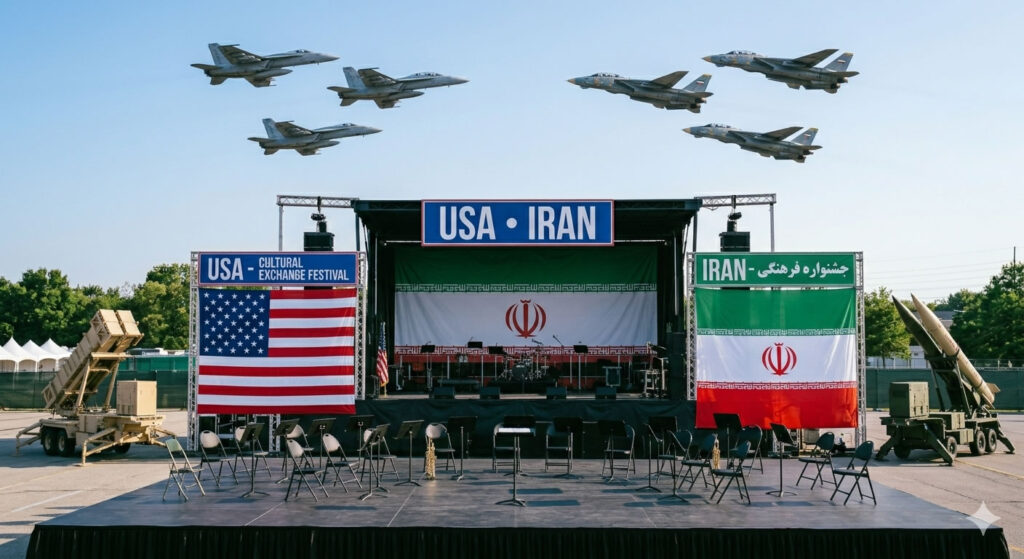
Historic Talks Amid Fragile Ceasefire
High-level negotiations between the United States and Iran in April 2026 have ended without a breakthrough, despite being the most significant direct face-to-face engagement between the two nations in decades.
The talks, hosted in Islamabad, followed a fragile two-week ceasefire that took effect on April 8 after days of escalating conflict earlier in the year. The pause, mediated by Pakistan, was intended to create room for diplomacy and potentially pave the way toward a broader resolution of the ongoing war.
As part of the ceasefire arrangement, Iran agreed to reopen the Strait of Hormuz for safe navigation, while the United States held back from targeting Iranian energy infrastructure.
Islamabad Becomes Center of Global Diplomacy
Negotiations formally began on April 11 and stretched into the early hours of April 12, with marathon sessions lasting over 21 hours. The meetings took place under tight security conditions, with parts of Islamabad effectively locked down as global attention turned to the Pakistani capital.
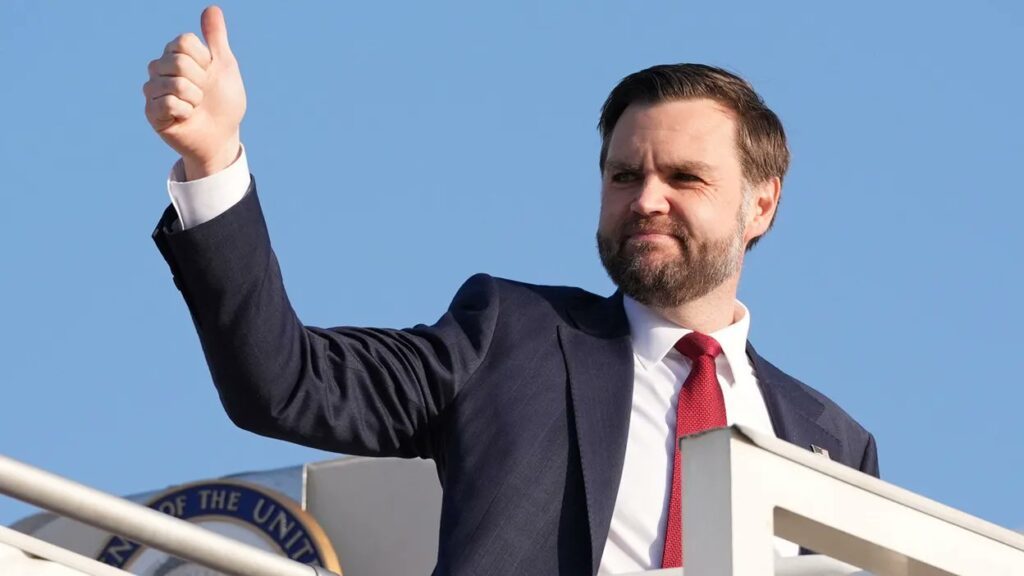
The US delegation was led by Vice President JD Vance, alongside key figures including Steve Witkoff and Jared Kushner.
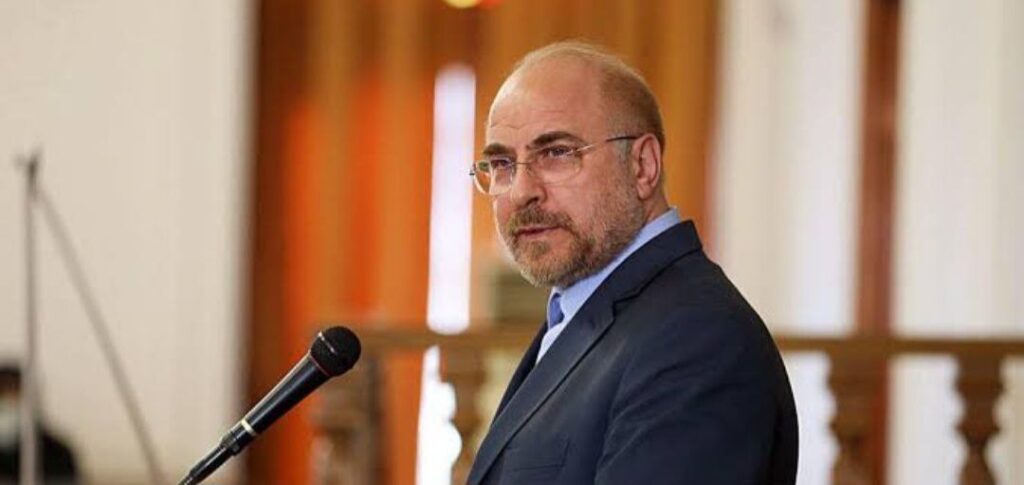
Iran’s team was headed by Parliament Speaker Mohammad Bagher Qalibaf, with additional involvement from Foreign Minister Abbas Araghchi.
Pakistan played a central mediating role, with Prime Minister Shehbaz Sharif and Foreign Minister Ishaq Dar actively facilitating discussions between the two sides.
Key Issues: Nuclear Program, Sanctions, and Regional Security
Talks quickly turned intense as negotiators tackled some of the most contentious issues dividing Washington and Tehran. Central to the discussions was Iran’s nuclear program, with the United States insisting on strict, long-term guarantees preventing the development of nuclear weapons.
Sanctions relief emerged as another major sticking point, with Iran pushing for broader economic concessions in exchange for any commitments. Disagreements also surfaced over control and security of the Strait of Hormuz, a vital global oil route, as well as ongoing regional conflicts, particularly in Lebanon involving Iranian-aligned groups.
While both sides described the talks as substantive, deep divisions remained on core demands, with neither willing to shift significantly from established red lines.
Talks Collapse Without Agreement
By early April 12, negotiations concluded without any formal agreement. Speaking shortly before departing Islamabad, Vice President Vance confirmed the impasse, stating that Iran had declined to accept what he described as the United States’ “final and best offer.”
Vance emphasized that Washington’s position, particularly on preventing Iranian nuclear weapons capability, remained non-negotiable. He also suggested that the outcome was more unfavorable for Iran, while leaving open a narrow possibility for future engagement.
Iranian officials, however, pushed back strongly, accusing the United States of presenting excessive demands and lacking genuine commitment to compromise. Tehran maintained that it entered the talks from a position of strength, arguing that recent military developments had not decisively favored US or allied objectives.
Trump Downplays Failure as Ceasefire Holds
Separately, US President Donald Trump downplayed the breakdown in negotiations, asserting that American military goals had already been achieved regardless of the diplomatic outcome.
Despite the failure to reach an agreement, Pakistan urged both parties to maintain the existing ceasefire, which remains in effect but is widely viewed as fragile. The truce is set to expire around April 22, leaving a narrow window for renewed diplomatic efforts.
Uncertain Path Forward
The collapse of the Islamabad talks highlights the deep mistrust that continues to define US-Iran relations. While the negotiations were historic in bringing both sides together directly after decades of indirect engagement, they also exposed the limits of diplomacy amid ongoing conflict and geopolitical rivalry.
With no agreement on nuclear restrictions, sanctions, or a permanent end to hostilities, the ceasefire stands as the only temporary buffer against renewed escalation. Analysts warn that without progress, the region could see a return to military confrontation, including potential naval tensions and proxy conflicts.
For now, the April 2026 talks serve as both a milestone and a missed opportunity, underscoring how close the two sides came to dialogue, yet how far apart they remain on the issues that matter most.
Also Read
US and Iran Set for High-Stakes Peace Talks in Islamabad Amid Fragile Ceasefire
Gulf Countries Report First Pause in Iranian Missile Attacks as Fragile Ceasefire Takes Hold