On April 7 to 8, 2026, Donald Trump announced a two week conditional ceasefire in the escalating conflict between the United States and Iran, stepping back from an imminent large scale bombing campaign that had been threatened just hours earlier.
The announcement marked a dramatic shift from military escalation to diplomatic engagement, with Pakistan playing a key role in mediating the last minute agreement that temporarily halted the planned strikes.
Background of the Escalation
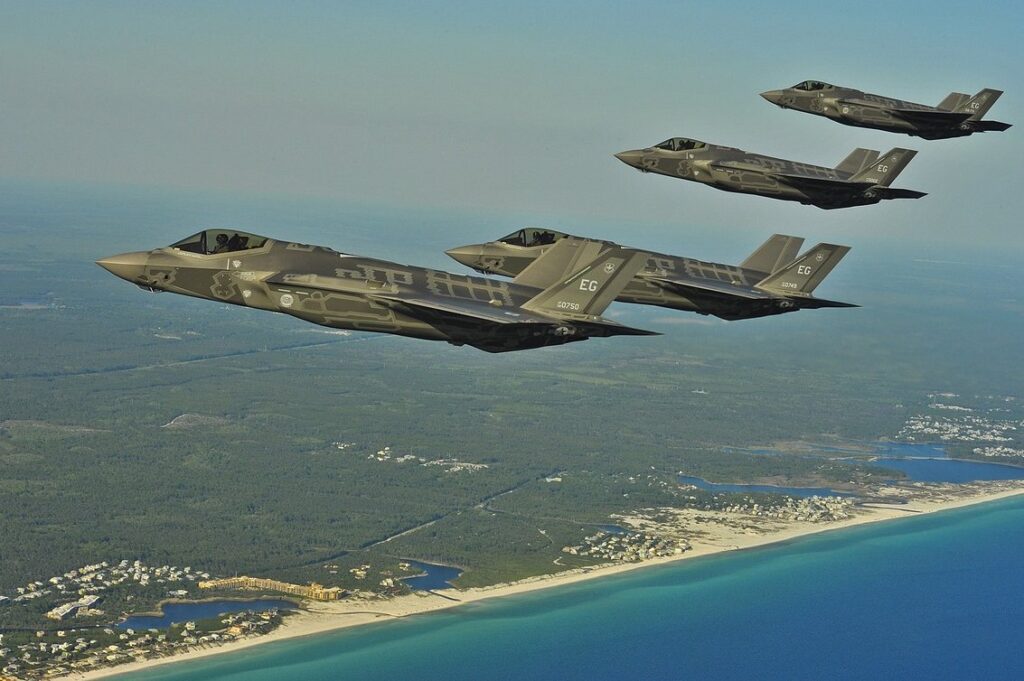
The conflict had intensified over the previous month, with U.S. and Israeli strikes targeting Iranian military and nuclear related facilities. Iran responded with missile and drone attacks on U.S. allied positions in the Gulf and imposed a blockade on the Strait of Hormuz, a critical global oil corridor that carries roughly one fifth of the world’s oil supply.
Trump issued a strong ultimatum demanding that Iran immediately reopen the strait or face devastating military action. The deadline for compliance was set for around 8 p.m. Eastern Time on April 7, raising fears of a major regional war that could destabilize global energy markets and security.
Pakistan Steps In as Mediator
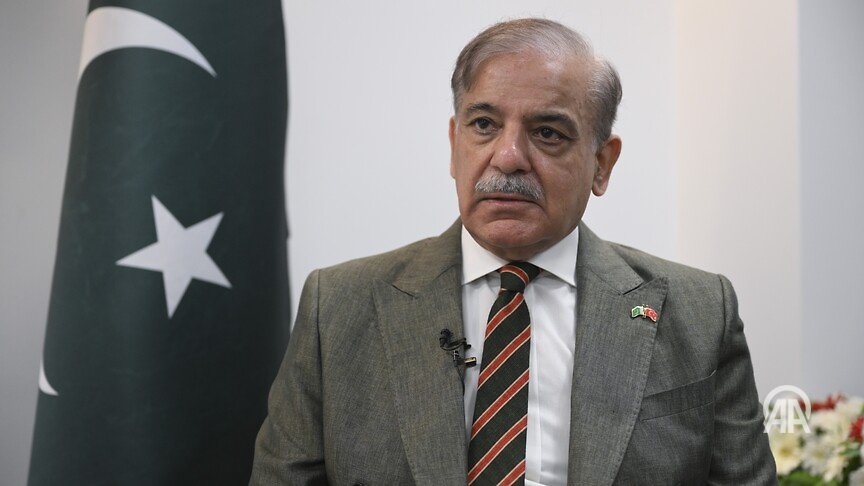
As the deadline approached, Pakistan emerged as an unexpected mediator in the crisis. Prime Minister Shehbaz Sharif and Army Chief Asim Munir engaged in intense diplomatic efforts to prevent military escalation.
Pakistani leaders maintained communication with both sides, holding discussions with U.S. officials including JD Vance and special envoy Steve Witkoff, while also coordinating with Iranian Foreign Minister Abbas Araghchi.
Sharif publicly stated that diplomatic efforts were progressing steadily and urged Trump to extend the deadline by two weeks to allow negotiations to continue. Pakistan also relayed Iran’s proposed peace framework to Washington, which included demands for sanctions relief, security guarantees, and broader regional de-escalation.
Trump Announces Conditional Ceasefire
Trump announced the decision on Truth Social, describing the move as a pragmatic step after discussions with Pakistani leaders. He agreed to suspend military strikes on Iran for two weeks, on the condition that Iran immediately and safely reopen the Strait of Hormuz.
The U.S. leader described the Iranian proposal as a workable basis for negotiations and suggested that progress toward a long term peace agreement in the Middle East was already underway. He also indicated that the United States could work with Iran on sensitive issues such as nuclear material management and regional stability.
The ceasefire was presented as a double sided agreement, requiring compliance from both parties during the two week window.
Indirect Communication Through Islamabad
A notable aspect of the breakthrough was the lack of direct public communication between Washington and Tehran at the critical moment. Instead, Pakistan acted as the main communication bridge between the two sides.
Sharif announced that the ceasefire would take effect immediately and invited U.S. and Iranian delegations to formal peace talks in Islamabad scheduled for April 10. Iran later confirmed acceptance of the ceasefire through its Supreme National Security Council and agreed to coordinate the reopening of the Strait of Hormuz.
Both sides claimed success from the arrangement. The United States emphasized military pressure and progress toward peace, while Iran portrayed the outcome as proof of its resilience and diplomatic strength.
Global Reactions and Ongoing Tensions
The announcement triggered mixed reactions across the region and internationally. Pro government supporters in Tehran celebrated the ceasefire, while several countries welcomed Pakistan’s mediation efforts and called for continued diplomacy.
However, tensions remain high. Reports of isolated drone and missile activity targeting U.S. allied areas surfaced even after the announcement, and Israel signaled it would respect the pause while continuing operations in related regional theaters such as Lebanon.
The ceasefire is also tied to broader regional dynamics, including Hezbollah activity and ongoing security concerns in the Gulf.
Significance of Pakistan’s Role
Pakistan’s involvement highlighted its unique diplomatic position, maintaining working relations with both Washington and Tehran. The country’s military leadership and political establishment played a crucial role in preventing immediate military escalation and creating space for negotiations.
The episode marked a sharp shift from Trump’s earlier aggressive rhetoric to a pause for diplomacy, achieved through backchannel engagement and shuttle diplomacy rather than direct last minute negotiations between the U.S. and Iran.
A Fragile Window for Peace
The two week ceasefire is widely seen as fragile, with upcoming talks in Islamabad expected to determine whether a long term agreement can be reached. Key issues on the table include nuclear oversight, sanctions relief, regional security, and the free flow of oil through the Strait of Hormuz.
For now, the ceasefire has prevented immediate military escalation and given both sides time to negotiate. Whether it leads to lasting peace or only delays further conflict will depend on the outcome of the diplomatic talks and the willingness of all parties to compromise.
Also Read
Trump Issues Stark Ultimatum to Iran Over Strait of Hormuz as Deadline Looms
Trump Threatens to Strike Iran’s Energy and Water Infrastructure as Conflict Intensifies