
Global Energy Costs Surge Amid Rising Oil Prices
Motorists and households around the world are facing rising energy costs as global fuel prices continue to climb, driven largely by geopolitical conflicts and disruptions in major oil-producing regions. The latest surge has been triggered by escalating tensions involving Iran in early 2026, which has shaken global energy markets and pushed crude oil prices above $100 to $110 per barrel in March.
The spike reflects growing uncertainty in oil supply chains and highlights how geopolitical instability can quickly translate into higher everyday costs for consumers. As oil prices rise, the impact spreads across transportation, electricity, heating, and basic goods, putting pressure on household budgets worldwide.
Motorists Feel the Pressure at the Pump
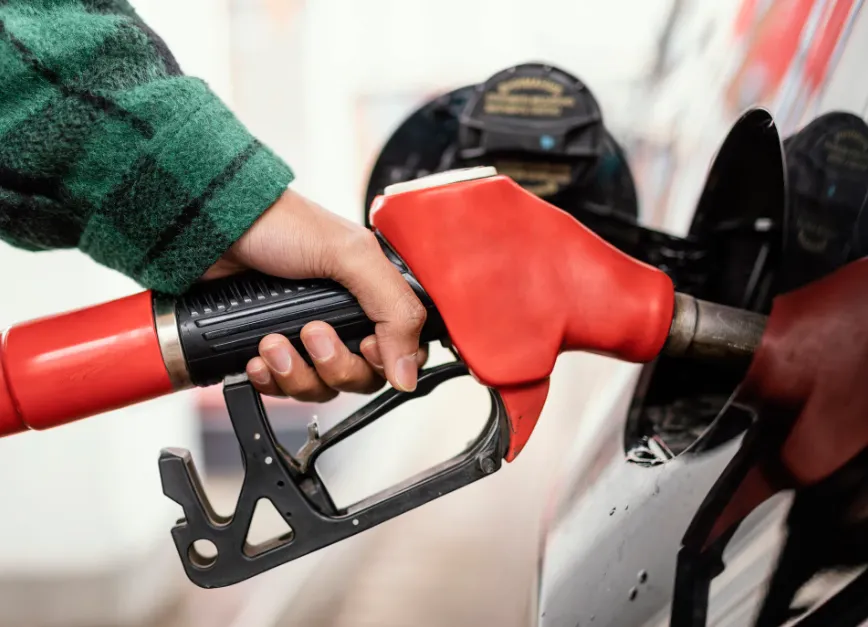
Drivers are among the first to feel the impact of rising fuel prices. In the United States, the national average price for regular gasoline jumped from about $2.98 per gallon before the conflict escalated to between $3.50 and $4.02 in the following weeks, with some regions reporting prices above $4 for the first time since 2022.
Similar trends have been seen in United Kingdom and across Europe, where petrol and diesel prices rose rapidly within a short period. In Paris, fuel prices reached the equivalent of nearly $10 per gallon in some cases due to global price pass-through effects and local taxation.
The increase in diesel prices has particularly affected truck drivers, delivery companies, and farmers, as higher fuel costs quickly translate into increased transport and production expenses.
Household Energy Bills Continue to Rise
The impact of rising fuel prices extends beyond transportation and directly affects household energy bills. Higher oil and natural gas prices have pushed up the cost of heating and electricity in many regions, forcing families to spend more on basic utilities.
In some areas, off-grid households that rely on heating oil or gas have seen costs rise sharply, with governments introducing support measures to protect low-income families. The increase in energy prices is also feeding into the cost of everyday goods, including food, electronics, and household products, due to higher transportation and manufacturing expenses.
Supply chain pressures are being worsened by concerns over key shipping routes such as the Strait of Hormuz, a critical oil transit route that handles a large share of global energy shipments.
Geopolitical Conflicts Driving Market Volatility
Global fuel prices are highly sensitive to political and military developments in oil-producing regions. The earlier energy shock caused by the Russian invasion of Ukraine in 2022 disrupted oil and gas flows and contributed to widespread inflation across Europe and beyond.
The recent Iran conflict has added new pressure by threatening oil production, damaging infrastructure, and creating uncertainty around shipping routes in the Persian Gulf. These risks have added a premium to oil prices, keeping markets volatile even as alternative supply from countries like the United States and Brazil helps stabilize global output.
Decisions by OPEC+ and economic growth in Asia also continue to influence demand and pricing trends, making the energy market complex and unpredictable.
Economic and Social Consequences
Rising fuel and energy costs are placing a heavy burden on lower- and middle-income households, which typically spend a larger share of their income on transportation and utilities. Higher fuel prices can slow economic growth as consumers cut back on non-essential spending, while inflation makes it harder for central banks to maintain stable economies.
The situation also highlights growing inequality, as wealthier households are better positioned to switch to electric vehicles or energy-efficient homes, while others remain dependent on traditional fuel sources.
Governments around the world are responding with measures such as fuel subsidies, strategic reserve releases, and targeted financial assistance to help cushion the impact on citizens.
A Reminder of Global Energy Vulnerability
The current surge in fuel prices shows how deeply interconnected the global energy system has become. Conflicts in distant regions can quickly raise the cost of filling a tank, heating a home, or buying groceries anywhere in the world.
While prices may stabilize if geopolitical tensions ease or supply increases, the broader lesson remains clear: energy security and global stability are closely linked. As countries explore renewable energy, diversify supply chains, and invest in efficiency, the goal is to reduce dependence on volatile oil markets and protect households from future energy shocks.
Also Read
Uganda’s Fuel Supply Holds Steady Amid Middle East Turmoil, Government Reassures Public