UK Pulls the Plug on Major Music Event
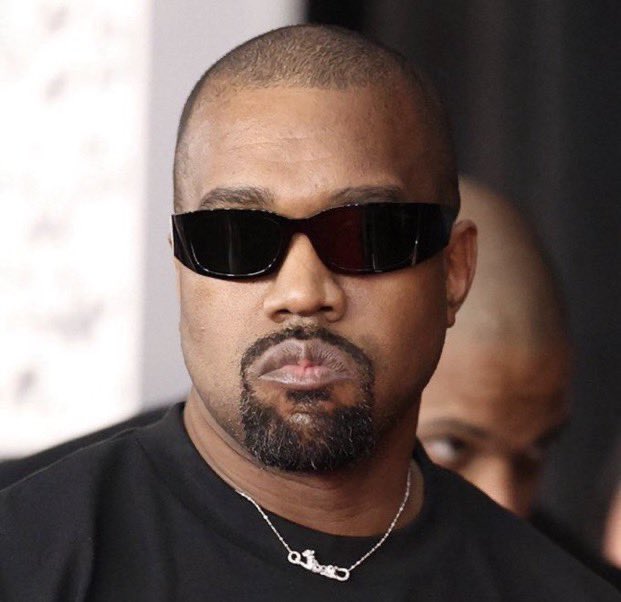
Wireless Festival 2026, one of the United Kingdom’s biggest urban music events, has been officially cancelled after the British government blocked Kanye West, now known as Ye, from entering the country to headline the 2026 edition. The festival was scheduled to take place from July 10 to 12 at Finsbury Park in London and was expected to draw tens of thousands of music fans.
The cancellation came just days after organizers announced that Ye would headline all three nights of the event, marking what would have been his first major UK performance in more than a decade. The ambitious booking initially generated excitement among fans but quickly sparked widespread controversy.
Announcement Sparks Immediate Backlash
Festival organizers promoted Ye as the sole headliner for the entire weekend, following a format that had previously worked successfully with Drake in earlier editions. However, the announcement triggered strong criticism due to Ye’s history of antisemitic remarks and controversial public statements in recent years.
Jewish organizations, political leaders, and advocacy groups rapidly called on the government to block his entry, arguing that allowing him to perform would send the wrong message. Several politicians across party lines publicly condemned the decision to book him for the festival, increasing pressure on both organizers and government officials.
Political Pressure Mounts
Prime Minister Keir Starmer described the booking as deeply concerning and suggested that the artist should never have been invited in the first place. Education Secretary Bridget Phillipson also strongly criticized Ye’s past comments, calling them unacceptable and emphasizing the UK’s commitment to combating antisemitism.
At the same time, advocacy groups such as the Campaign Against Antisemitism intensified calls for government action, arguing that the artist’s presence would not be in the public interest.
Sponsors Begin to Withdraw
The controversy quickly spread to corporate partners, with major sponsors distancing themselves from the event. Companies including Pepsi and Diageo pulled their sponsorship support, while PayPal also moved to separate itself from the festival.
This wave of withdrawals placed additional financial and reputational pressure on the organizers, making it increasingly difficult to proceed with the event as planned.
Festival Organizers Defend Booking
Promoter Festival Republic initially defended the decision, arguing that Ye’s music is widely available in the UK through radio and streaming platforms. Managing director Melvin Benn maintained that the artist had a legal right to perform his music and that the festival was focused on entertainment rather than political views.
Despite this defense, the growing political and public pressure made the situation increasingly unstable.

UK Government Denies Entry
On April 7, 2026, the UK Home Office withdrew Ye’s Electronic Travel Authorization, effectively preventing him from entering the United Kingdom. Officials stated that his presence would not be conducive to the public good, citing immigration rules that allow entry to be denied on such grounds.
The decision was tied specifically to the festival and public safety considerations rather than a permanent nationwide ban.
Wireless Festival Officially Cancelled
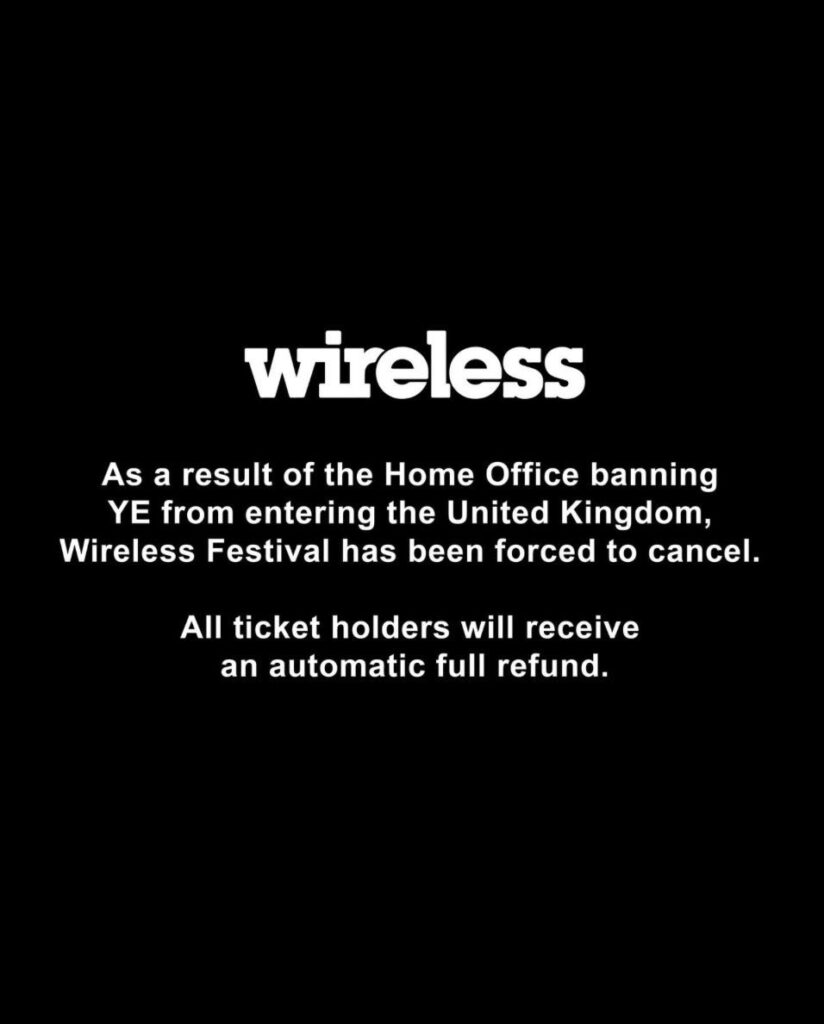
With its headline act unable to travel to the UK, organizers confirmed that the festival could no longer proceed. A public statement announced that Wireless Festival 2026 would be cancelled and that all ticket holders would receive full refunds.
The organizers also reiterated their stance against antisemitism, stating that hatred in any form is unacceptable while acknowledging the impact the cancellation would have on fans and partners.
Broader Impact on the Music Industry
The cancellation represents a major setback for London’s music scene and raises broader questions about how controversial artists are handled in major international events. Wireless Festival typically attracts around 50,000 attendees per day, making its cancellation a significant loss for the entertainment industry and local businesses.
The situation has also reignited debates around free speech, public safety, and the responsibility of event organizers when booking high-profile performers. As discussions continue, the focus now shifts to refunds for fans and the future of major music festivals in the UK.
Also Read
Kanye West’s Bully Breaks Streaming Records and Signals a Powerful Comeback in 2026
UK to Host 35-Nation Emergency Meeting to Reopen Strait of Hormuz Amid Iran Conflict