Rising Tensions in the U.S.-Iran Conflict
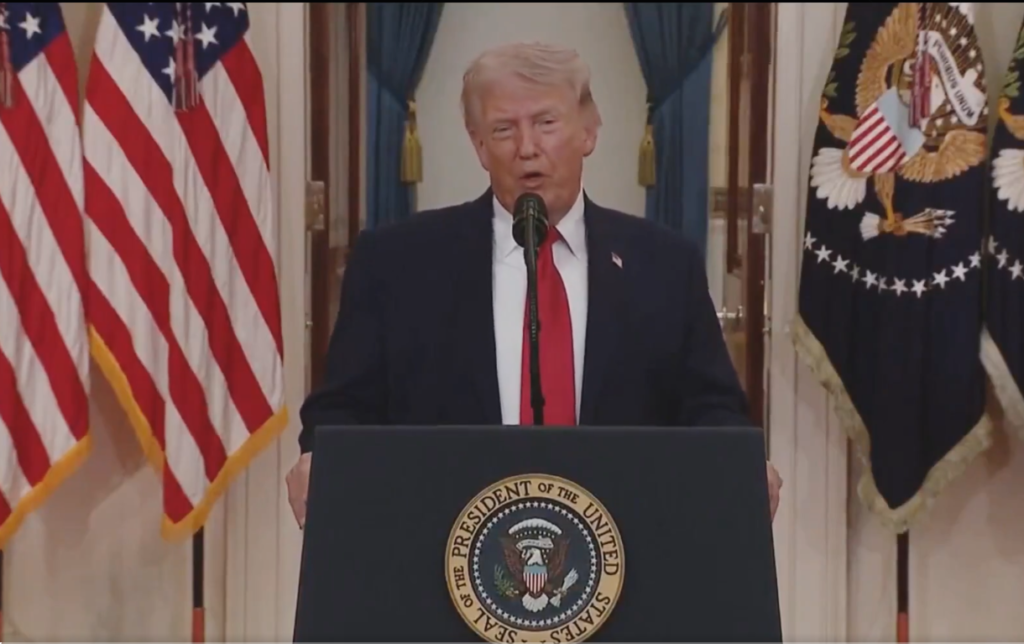
U.S. President Donald Trump has issued repeated warnings that the United States could target Iran’s critical infrastructure, including energy facilities and water systems, as the ongoing military campaign between the two countries escalates in early 2026. The threats form part of a broader strategy aimed at forcing Tehran into a deal that would end hostilities and reopen the vital Strait of Hormuz, a key global oil shipping route.
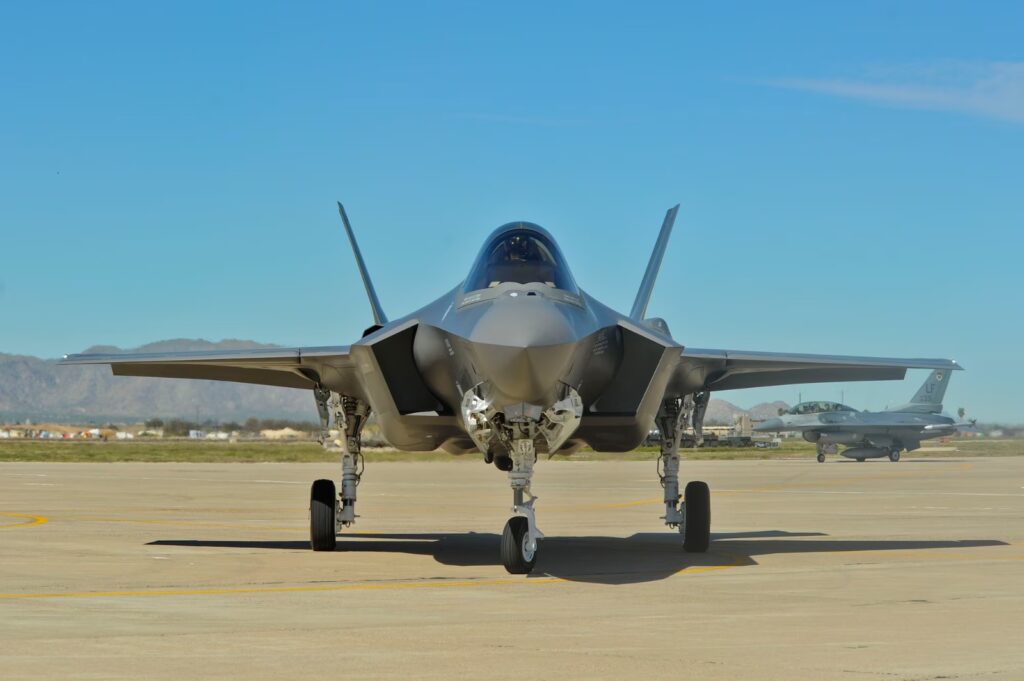
The statements come amid continued U.S. and allied strikes on Iranian targets, with Washington signaling that the campaign could intensify if diplomatic progress stalls.
Threats Tied to Negotiations and Military Pressure
The warnings were delivered through public statements and social media posts, where Trump claimed significant progress had been made in talks with what he described as Iran’s “new, and more reasonable” leadership. However, he also made it clear that failure to reach a deal quickly would trigger severe military action.
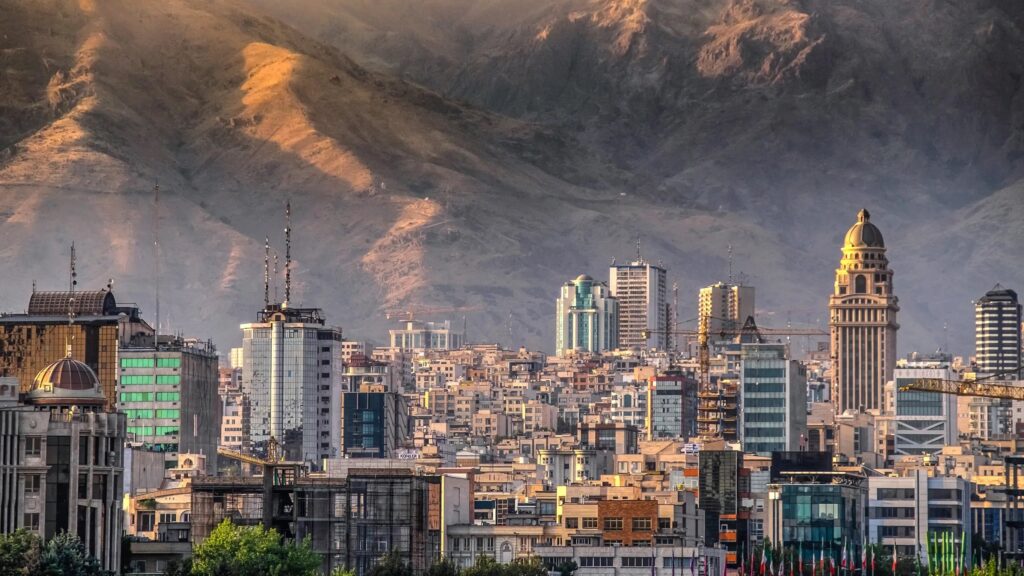
Trump warned that if negotiations collapse and the Strait of Hormuz is not reopened to global shipping, the United States could target Iran’s electric generating plants, oil wells, and major export infrastructure, including Kharg Island, the country’s primary oil export terminal. He also suggested that desalination plants, which provide drinking water in many Iranian regions, could be targeted.
The message framed the threat as both pressure and leverage, urging Iran to reach an agreement before further escalation occurs.
Strategic Goals Behind the Warnings
The U.S. administration has presented these threats as part of a broader strategic plan focused on several key objectives.
First, reopening the Strait of Hormuz remains a central priority. Iran’s alleged interference with shipping in the waterway has disrupted global oil markets and pushed energy prices higher. The U.S. has called on allies that rely heavily on Gulf oil to take a stronger role in securing the route, emphasizing America’s growing energy independence.
Second, the administration continues to cite Iran’s nuclear ambitions as a major concern. Trump has repeatedly described Iran’s nuclear program as an intolerable threat and has argued that military pressure is necessary to prevent Tehran from rebuilding its capabilities.
Third, the approach combines military force with diplomatic messaging. U.S. officials have suggested that energy and water infrastructure has not yet been targeted, positioning the threat of broader destruction as a deterrent while negotiations continue.
Escalation Risks and International Concerns
The threats have triggered strong reactions internationally, particularly from legal experts and analysts who warn that targeting civilian infrastructure such as power plants and desalination facilities could violate international humanitarian law. Critics argue that such strikes could lead to widespread civilian suffering and potentially constitute war crimes.
Iran has rejected claims of ongoing negotiations in some statements and has condemned the threats, warning of retaliation against Gulf infrastructure and U.S. interests in the region. The exchange of warnings has further increased fears of a wider regional conflict.
There are also growing concerns that other global powers could become involved if the conflict escalates further, especially given the strategic importance of energy routes and nuclear facilities in the region.
Oil Markets and Global Economic Impact
The tension has already had a noticeable effect on global markets. Oil prices have risen amid fears of prolonged disruptions to Iranian exports and potential instability in the Strait of Hormuz, while fuel prices in the United States have reportedly climbed toward four dollars per gallon in some areas.
Energy markets remain sensitive to any developments in the conflict, as damage to Iranian oil infrastructure or prolonged closure of the strait could significantly affect global supply chains and economic stability.
A High-Stakes Diplomatic Gamble
Trump has suggested that the war could end soon if Iran agrees to U.S. demands, portraying the campaign as a limited operation aimed at neutralizing threats rather than initiating a long-term occupation. At the same time, he has warned that intensified strikes on infrastructure such as bridges and power plants could follow if Iran refuses to cooperate.
The strategy reflects a high-pressure diplomatic gamble that combines direct military action with strong public messaging designed to force rapid negotiations.
Uncertain Path Ahead
As of April 3, 2026, the situation remains fluid, with both military operations and diplomatic signals continuing simultaneously. The outcome of this approach will likely shape the future of U.S.-Iran relations, the stability of the Middle East, and global energy markets.
Whether the threats lead to a negotiated settlement or a deeper escalation will become clearer in the coming weeks as pressure builds on both sides.
Also Read
Trump Praises Saudi Arabia and Gulf Allies in Iran War, Criticizes NATO Support
Spain Refuses to Support Iran Strikes, Trump Threatens to Cut Off Trade