Early Morning Strike Targets Strategic Energy Site
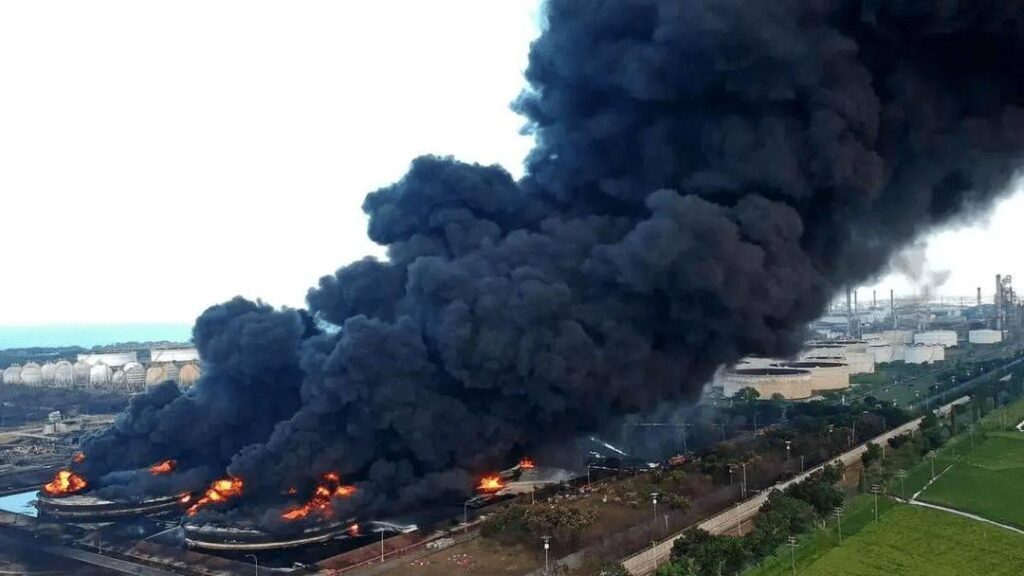
On April 3, 2026, Kuwait’s major oil facility, the Mina Al-Ahmadi Refinery, was struck in an early morning drone attack that triggered fires in several operational units. The incident was confirmed by Kuwait Petroleum Corporation (KPC) through the state news agency Kuwait News Agency (KUNA), which described the strike as a malicious drone attack targeting critical energy infrastructure.
The refinery, one of Kuwait’s most strategic oil-processing facilities, quickly became the focus of emergency response teams as authorities moved to contain the situation and prevent further damage.
Fires Contained as Emergency Teams Respond
Following the drone strike, multiple operational units at the refinery caught fire, prompting an immediate response from firefighting and emergency crews. Authorities activated emergency protocols to control the blazes and secure the facility.
Officials confirmed that no employees were injured during the incident, and precautionary safety measures were implemented to protect staff working at the site. Rapid containment efforts helped prevent the fire from spreading to other critical sections of the refinery.
Environmental monitoring was also initiated by Kuwait’s Environment Public Authority, which later reported no abnormal pollution levels or significant environmental damage in surrounding areas.
A Key Oil Facility Under Repeated Threat
The Mina Al-Ahmadi refinery is considered one of Kuwait’s most important oil-processing centers, with an estimated capacity of around 346,000 barrels per day. Its strategic importance makes it a critical component of the country’s energy sector and global oil supply chain.
This latest attack marks at least the third strike targeting the refinery within roughly two weeks, pointing to a growing pattern of repeated assaults on Kuwait’s energy infrastructure. The repeated nature of these incidents is raising concerns among analysts and industry observers about the vulnerability of Gulf oil facilities.
Additional Strikes Reported on Power and Desalination Plant
Later on the same day, reports indicated that a power and desalination plant in Kuwait was also struck, suggesting a broader wave of attacks targeting civilian and energy infrastructure.
These developments highlight a widening security challenge for Gulf nations as key facilities, including oil refineries, power plants, and desalination systems, increasingly come under threat.
Part of a Wider Regional Conflict
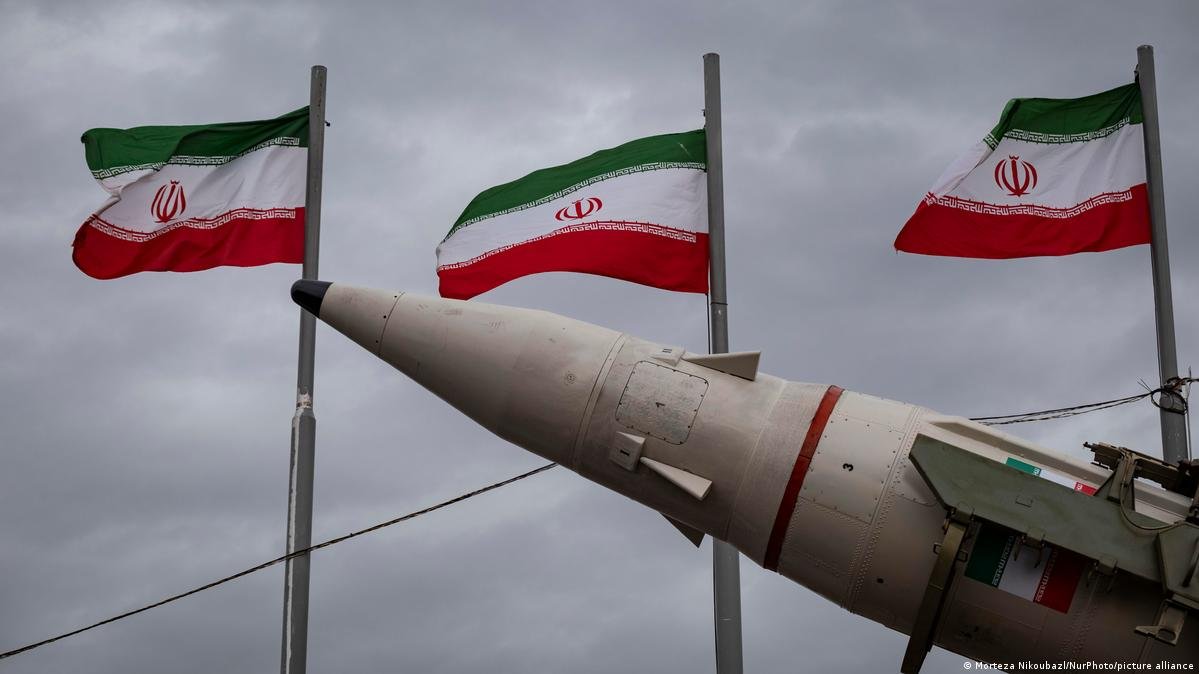
The attack comes amid the ongoing US-Israel conflict with Iran, which has entered its fifth week by early April 2026. Iran has launched multiple missile and drone strikes across the Middle East in retaliation, with several Gulf countries experiencing spillover effects.
Similar incidents were reported in the United Arab Emirates on the same day, where debris from intercepted missiles reportedly caused injuries. The pattern suggests a broader escalation affecting energy infrastructure and civilian facilities across the region.
Concerns Over Oil Supply and Energy Security
Kuwait has moved quickly to maintain operational continuity at the refinery, though authorities have not yet released detailed information on potential production disruptions or long-term damage.
The repeated targeting of oil infrastructure raises concerns about regional energy security and the stability of global oil markets. Any prolonged disruption to facilities like Mina Al-Ahmadi could impact oil supply chains and increase market volatility.
Footage circulating online showed thick plumes of smoke rising from the refinery, consistent with reports of fires following the drone strike. Authorities continue to monitor the situation while maintaining safety and containment measures.
A Growing Threat to Gulf Energy Infrastructure
The Mina Al-Ahmadi refinery attack highlights the expanding reach of the Iran-related conflict into Gulf energy systems. As tensions continue to escalate, strategic oil facilities remain high-value targets, increasing the risk of broader economic and geopolitical consequences.
With the situation still developing, regional authorities and global energy markets will be closely watching for further attacks or disruptions that could signal a deeper escalation in the conflict.
Also Read
Iran Launches Retaliatory Missile and Drone Strikes Across Middle East as Regional War Intensifies