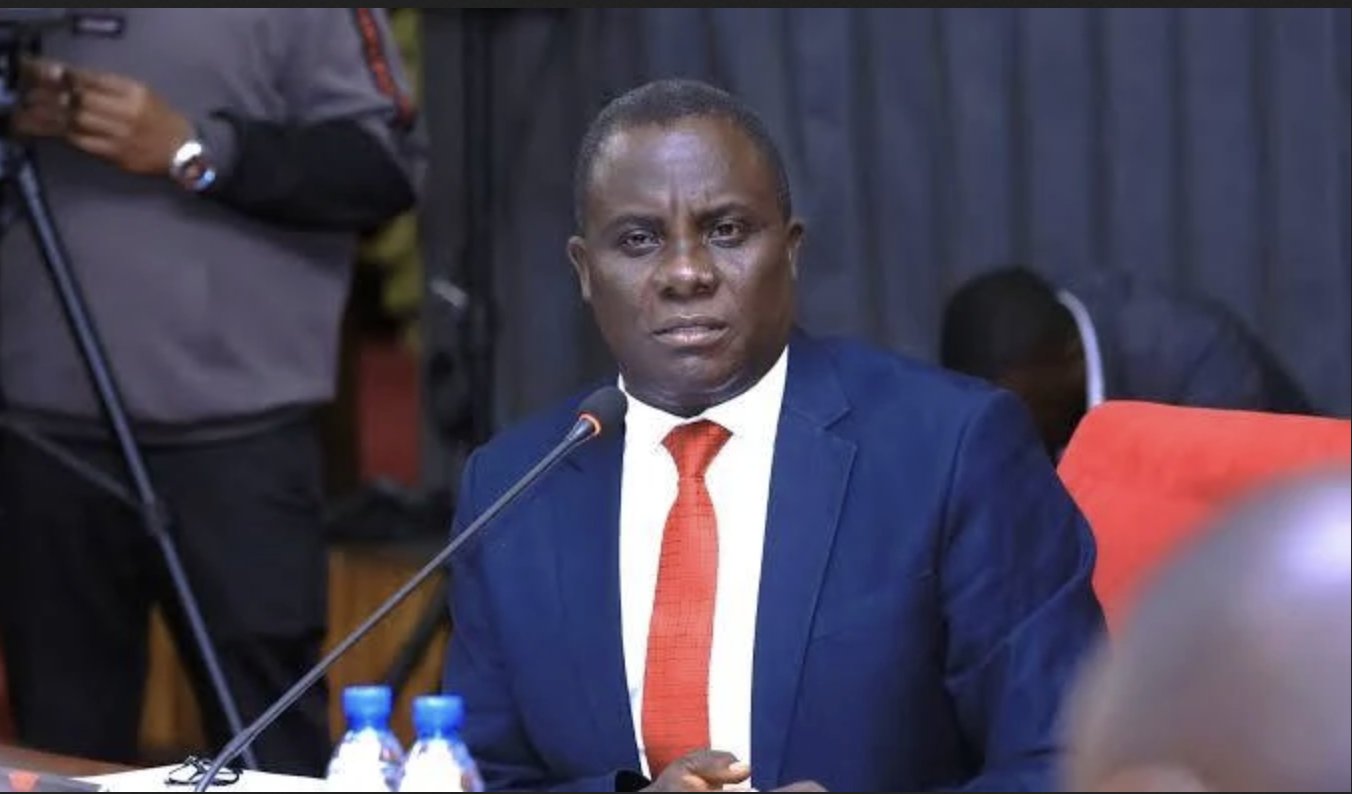
Ugandan lawyer and activist Hassan Male Mabirizi Kiwanuka is facing new legal charges after the state withdrew earlier accusations under the Computer Misuse Act and replaced them with charges of unlicensed broadcasting and publishing false information. The case was adjourned to April 15, 2026, with Mabirizi remaining on remand at Luzira Prison following his court appearance on April 1.
The latest development marks another turn in a case that has sparked national debate over freedom of expression, digital regulation, and the limits of online speech in Uganda.
Background of the Case
Hassan Male Mabirizi Kiwanuka was initially charged in early February 2026 at the Buganda Road Chief Magistrate’s Court over TikTok posts made in January on his account. The posts allegedly referred to Flavian Zeija, Uganda’s Chief Justice, as a “conman, fraudster, and corrupt official” and included similar remarks about Court of Appeal Justice Musa Ssekaana.
He was charged with malicious information and hate speech under Sections 26 and 28 of the Computer Misuse Act, pleaded not guilty, and was denied bail multiple times, leading to his continued detention at Luzira Prison.
The case quickly attracted public attention due to Mabirizi’s outspoken criticism of the judiciary and government.
Constitutional Court Ruling Changes Legal Direction
The legal situation shifted in mid-March 2026 after the Constitutional Court of Uganda nullified key provisions of the Computer Misuse Act, including those covering malicious information and hate speech.
The ruling triggered criticism from legal observers and the Uganda Law Society, which described Mabirizi’s continued detention as judicial harassment and called for compliance with the court’s decision. The ruling forced the prosecution to reconsider the charges, leading to a new legal approach.
State Introduces New Charges
On April 1, 2026, the Office of the Director of Public Prosecutions withdrew the Computer Misuse Act charges and filed new ones under communications laws. The new charges include:
Unlicensed broadcasting under the Uganda Communications Act, alleging Mabirizi distributed audio-visual content on TikTok across Kampala and Wakiso without authorization from the Uganda Communications Commission
Publishing false information under the Uganda Communications (Licensing) Regulations 2019, linked to the same content about the Chief Justice
The move has raised questions among observers about whether the new charges are a legitimate legal adjustment or an attempt to maintain detention after the original charges were invalidated.
Court Appearance and Remand
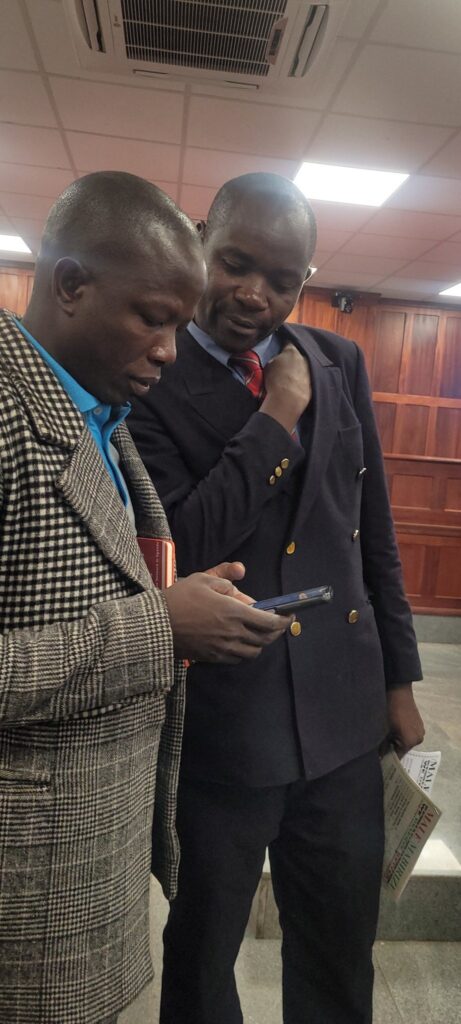
During his April 1 court appearance, Hassan Male Mabirizi Kiwanuka was formally presented with the new charges before the case was adjourned to April 15, 2026. He was remanded back to Luzira Prison as the court scheduled further proceedings.
This continues a pattern of legal battles for Mabirizi, who has frequently taken legal action against government institutions and public officials and has faced multiple arrests in the past.
Broader Debate on Free Speech and Digital Laws
The case has reignited discussions about freedom of expression and regulation of social media in Uganda. Critics argue that laws related to false information and unlicensed broadcasting could be used to silence dissent and restrict online activism. Similar legal provisions in other East African countries, including Kenya, have faced constitutional challenges for potentially limiting free speech.
Supporters of Mabirizi view the repeated charges and continued remand as targeted persecution, while authorities maintain that the law must be enforced to prevent harmful or unregulated content.
What to Expect on April 15
The upcoming court session on April 15, 2026, is expected to determine the next legal steps in the case. Legal observers will be watching closely to see whether the new charges proceed to trial, whether bail is reconsidered, and how the courts interpret the recent Constitutional Court ruling in relation to communications laws. The outcome could shape how Uganda balances digital rights, judicial protection, and public accountability in the rapidly evolving online media space.
Also Read