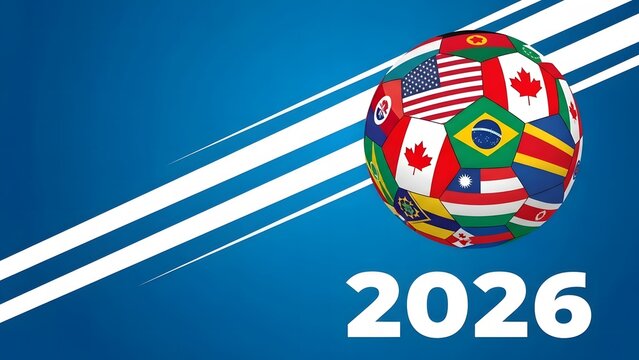
African football has reached a groundbreaking moment that will be remembered for generations. For the first time in history, ten African nations are set to feature at the 2026 FIFA World Cup, marking a powerful and emotional milestone for the continent.
This historic achievement represents more than just qualification. It signals a shift in global football balance, a moment where Africa steps onto the world stage with its strongest presence ever. Across stadiums, social media, and football communities, the excitement is undeniable as fans celebrate a new chapter filled with hope, pride, and belief in African football’s future.
The Ten African Nations Ready for the World Stage
Africa’s representation at the expanded 48-team World Cup includes a mix of traditional powerhouses and inspiring newcomers, each bringing its own story and ambition to the global tournament.
The nations set to represent the continent are:
- Algeria
- Cape Verde
- DR Congo
- Egypt
- Ghana
- Ivory Coast
- Morocco
- Senegal
- South Africa
- Tunisia
This lineup reflects both experience and emerging strength. Some of these countries have deep World Cup history, while others are writing their own fairy-tale journey. Together, they represent the diversity, talent, and resilience that define African football.
Why the 2026 World Cup Is a Historic Turning Point
The 2026 tournament is the largest World Cup ever organized, expanding from 32 to 48 teams and opening new opportunities for continental representation. The Confederation of African Football secured nine automatic qualification slots along with one inter-confederation playoff slot, allowing Africa to send ten teams for the first time in history.
This expansion is not just about numbers. It reflects the growing strength of African football and its increasing influence on the global stage. For decades, African teams have shown flashes of brilliance, but limited slots often kept many strong nations out of the tournament. Now, the door is wider, and Africa has stepped through it with confidence.
Cape Verde’s qualification stands out as one of the most inspiring stories. With a small population and limited resources compared to larger football nations, their journey to the World Cup shows that determination and organization can overcome size and limitations. It is a powerful reminder that football dreams remain open to all.
A Continent Rising Through Football
African football has been steadily evolving over the years. Improved infrastructure, stronger youth academies, and the growing presence of African players in Europe’s top leagues have raised the overall level of competition.
Countries like Morocco and Senegal have demonstrated tactical discipline and technical quality, while Egypt, Ghana, and Ivory Coast continue to produce elite talent. Algeria and Tunisia bring consistency and experience, and South Africa’s return after years away adds renewed energy to the continental representation.
The momentum has been building, and now the world will witness it on a larger scale than ever before. With ten teams participating, African football will have more opportunities to showcase its style, intensity, and competitive spirit.
Morocco’s 2022 Run Still Inspires Belief
The historic semi-final run by Morocco at the 2022 FIFA World Cup changed how the world views African football. It proved that African teams can compete with and defeat traditional football giants on the biggest stage. That achievement created belief across the continent. Players, coaches, and fans now see deeper World Cup runs as realistic targets rather than distant dreams.
With ten teams in the 2026 tournament, the possibility of another historic run feels stronger than ever. Many believe that Africa is getting closer to reaching a World Cup final and perhaps one day lifting the trophy.
Football Pride and Continental Unity
Beyond competition, this milestone represents pride and unity. Football has always been a powerful force in Africa, bringing people together across borders, cultures, and languages.
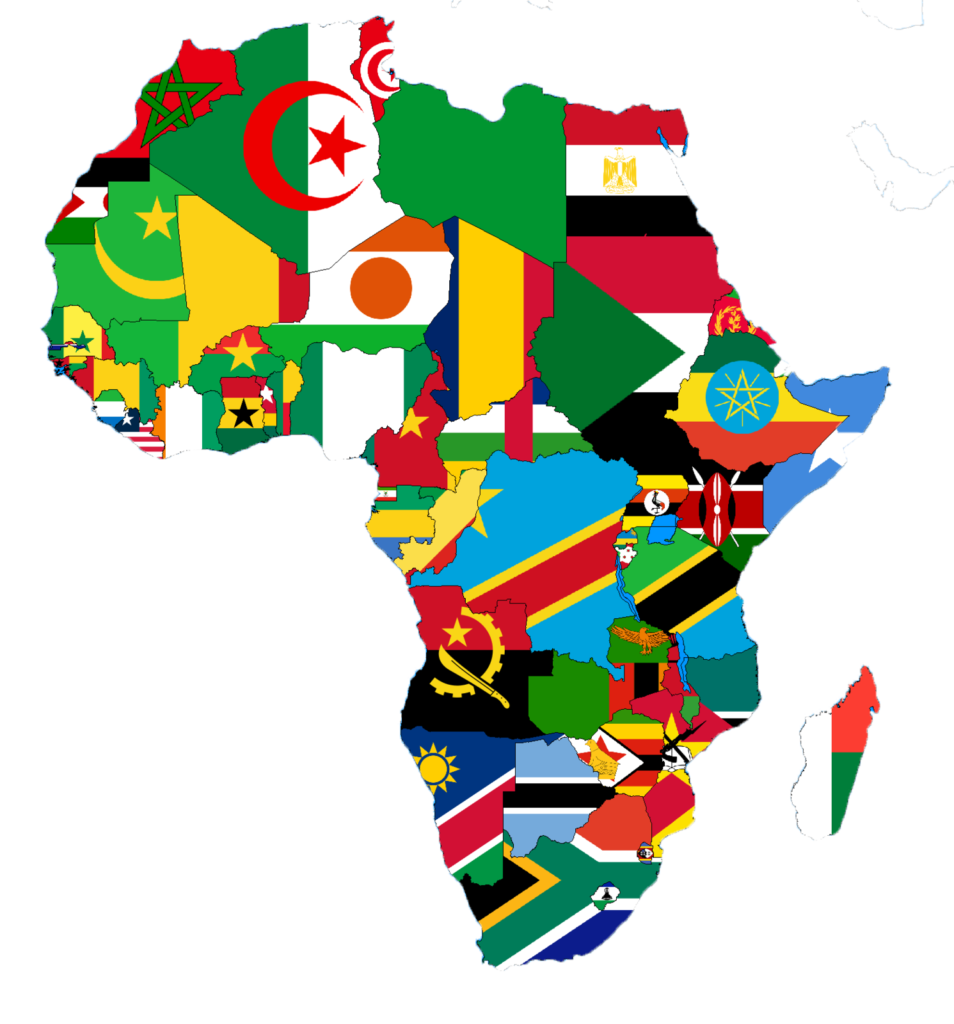
From the streets of Accra to the cities of Cairo, from Dakar’s football grounds to the coastal towns of Cape Verde, millions of fans will rally behind their teams. Every goal, every save, and every victory will carry the hopes of an entire continent.
The presence of ten teams means more African flags in stadiums, more national anthems on the global stage, and more young players inspired to chase their dreams. It is a moment that connects generations and strengthens the continent’s football identity.
Africa’s Moment Has Arrived
The 2026 World Cup promises to be one of the most exciting tournaments in football history, and Africa will be at the heart of it. Ten teams, ten stories, and one continent united by passion and ambition.
This is more than participation. It is a declaration that African football has arrived and is ready to compete at the highest level.
The journey to the tournament has made history. Now, the focus shifts to performance, pride, and the possibility of writing an even greater chapter in African football’s story.
Africa is ready. The world is watching.
Also Read
Senegal has refused to return the 2025 Africa Cup of Nations (AFCON) trophy