
A dramatic situation is unfolding in global energy markets as of late March 2026, with Brent crude oil on track for the largest monthly percentage surge in recorded history. Prices have jumped by an estimated 55 to 64 percent in March, driven by the escalating Strait of Hormuz crisis linked to the ongoing U.S.-Israeli military conflict with Iran.
The surge marks one of the most significant oil market shocks ever recorded, sending ripples through global fuel prices, inflation forecasts, and economic outlooks.
What Triggered the Oil Price Surge
At the start of 2026, oil markets were relatively stable, with Brent crude trading between 65 and 75 dollars per barrel in late February. The situation changed rapidly after U.S. and Israeli strikes on Iran began around February 28, 2026.
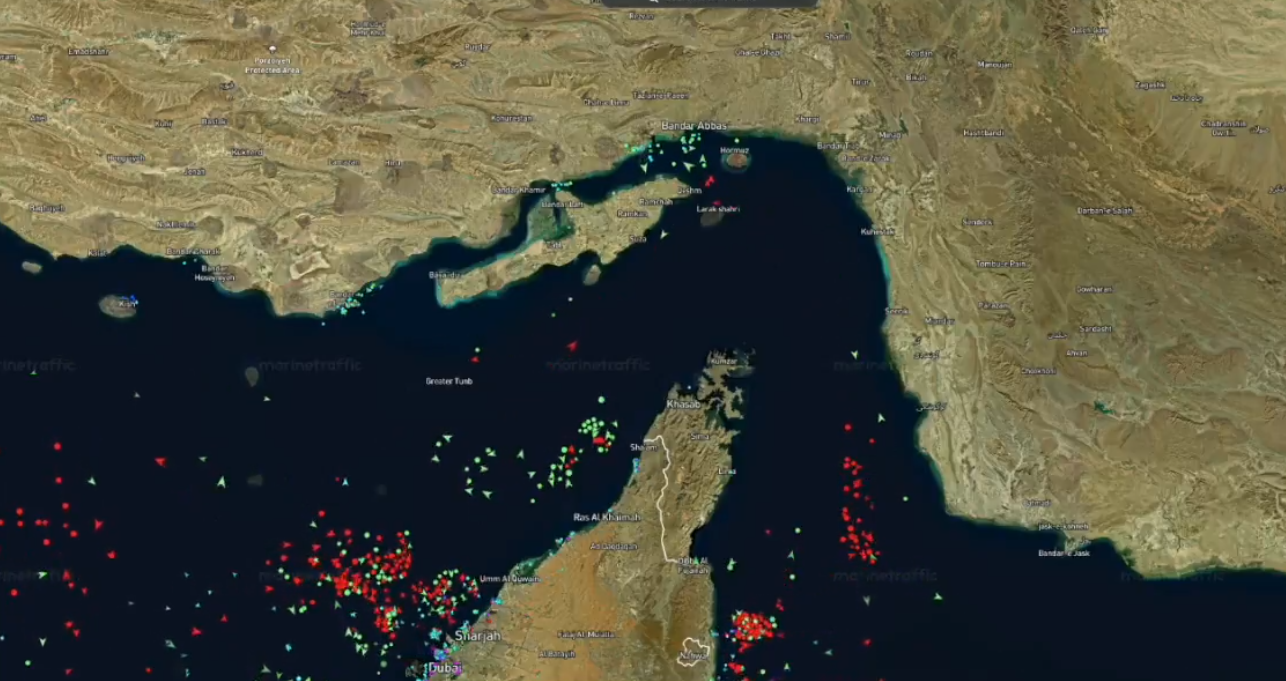
Iran responded by effectively restricting the Strait of Hormuz, a narrow but critical shipping route between Iran and Oman. Iranian forces, including the Revolutionary Guard, declared parts of the strait unsafe for commercial vessels and reportedly threatened or attacked shipping in the area.
This chokepoint is responsible for roughly 20 percent of the world’s seaborne crude oil and liquefied natural gas flows, making it one of the most important energy routes on the planet.
As a result, Brent crude surged above 110 dollars per barrel, with peaks exceeding 126 dollars, while U.S. benchmark WTI also climbed sharply. The increase has already surpassed the roughly 46 percent spike recorded during the 1990 Gulf War, setting a new historical benchmark for monthly gains.
Strait of Hormuz Disruption Creates Massive Supply Shock
The Strait of Hormuz serves as the primary export route for major oil producers such as Saudi Arabia, Iraq, the United Arab Emirates, Kuwait, and Iran itself. With the strait heavily restricted, global oil supply has been significantly disrupted.
Estimates suggest that more than 11 million barrels per day of effective supply has been affected. Strategic petroleum reserves released by the United States and other countries have provided some relief, but they have not fully compensated for the lost Middle Eastern flows.
Shipping alternatives, such as pipelines and Red Sea routes, have limited capacity, and insurance costs for tankers have surged sharply. Some vessels have rerouted through longer and more expensive routes, while others have avoided the region entirely due to security risks.
Recent attacks on tankers and the widening of the conflict into the Red Sea and Bab el-Mandeb region have further intensified market fears and pushed prices higher.
Why Oil Prices Could Continue Rising
Analysts believe oil prices are likely to remain elevated or continue rising until the Strait of Hormuz is reopened and shipping returns to normal.
The disruption has created a supply shortage, especially in Asia, where many countries depend heavily on Middle Eastern oil. Physical oil prices in the region are already trading at premiums above futures markets, while shipping and insurance costs continue to rise.
Geopolitical risk is also adding a strong premium to oil prices. Traders are factoring in the possibility of further attacks on infrastructure, prolonged military escalation, or additional shipping disruptions.
Some market forecasts suggest Brent crude could approach or even exceed 150 dollars per barrel if the strait remains closed through mid-April and the conflict escalates further.
Global Economic Ripple Effects
The oil surge is already affecting the global economy in several ways. Fuel prices are rising in many countries, increasing transportation and production costs. Inflation pressures are building again, particularly in energy-dependent economies, and growth forecasts are being revised downward.
Industries such as aviation, shipping, and manufacturing are facing higher operating costs, while European natural gas prices have also jumped due to increased energy market uncertainty.
The situation is particularly concerning for developing economies that rely heavily on imported fuel, as higher oil prices can quickly translate into rising living costs and economic instability.
Historical Comparison Shows Unprecedented Speed
While the world has experienced oil shocks before, the speed and scale of the current surge stand out. The oil crises of the 1970s developed over longer periods, and the 2008 oil price peak reached 147 dollars per barrel under different economic conditions. Even the 2022 Russia-Ukraine war and the 1990 Gulf War did not produce such a rapid monthly percentage increase. This makes the 2026 Strait of Hormuz crisis one of the fastest-moving oil market disruptions in modern history.
What Could Bring Prices Down
The biggest factor that could reverse the surge is the reopening of the Strait of Hormuz.
A diplomatic agreement, military de-escalation, or international naval intervention ensuring safe passage for tankers could quickly restore oil flows and push prices lower. Analysts suggest that a resolution could lead to a sharp drop of 25 to 40 dollars per barrel in Brent crude.
However, as of March 31, 2026, the situation remains tense with no clear timeline for reopening the strait. Markets continue to react rapidly to news of attacks, negotiations, and military developments in the region.
The Strait of Hormuz crisis has pushed global oil markets into one of their most volatile periods in history. With Brent crude on track for a record monthly surge, the world is once again facing the economic consequences of geopolitical conflict.
Until shipping normalizes and tensions ease, oil prices are likely to remain high and unpredictable, affecting fuel costs, inflation, and global economic stability in the weeks ahead.
Also Read
Trump Tells UK to “Go Get Your Own Oil” as Strait of Hormuz Crisis Deepens Global Tensions
Iran Shuts Door on Negotiations as Gulf War Tensions Intensify