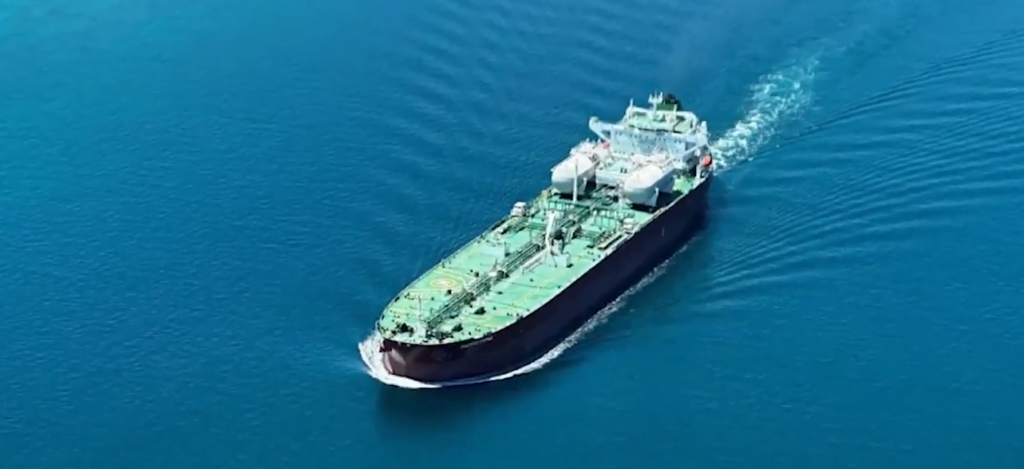
A Russian oil tanker, the Anatoly Kolodkin, docked on Tuesday, March 31, 2026, at the port of Matanzas in Cuba carrying approximately 730,000 barrels of crude oil, equivalent to about 100,000 metric tons. The shipment marks the first major oil delivery to Cuba in nearly three months and comes at a critical time as the island struggles with severe fuel shortages and widespread power outages. The arrival provides temporary relief to a country that has been grappling with prolonged blackouts affecting hospitals, transportation, businesses, and daily life.
First Major Fuel Delivery After Months of Shortages
For months, Cuba has faced an acute energy crisis driven by limited fuel imports and strict international sanctions. The lack of oil supplies led to frequent nationwide blackouts and major disruptions to economic and public services.
The arrival of the Russian tanker is expected to ease pressure on the country’s fragile power grid and provide fuel for electricity generation and transportation. However, experts say the shipment will only provide short-term relief and is unlikely to solve Cuba’s long-standing energy and economic challenges.
Estimates suggest the cargo could supply Cuba with fuel for around 9 to 10 days under normal demand, or slightly longer if rationed.
Background: US Pressure and Energy Restrictions
The shipment comes amid intensified US sanctions on Cuba introduced under the Trump administration earlier in 2026. The measures targeted ships transporting oil, especially Russian-origin fuel, in an effort to increase economic pressure on Havana.
These restrictions effectively created a de facto energy blockade by limiting the number of vessels willing or able to deliver fuel to the island. The policy forms part of a broader strategy aimed at pushing for political and economic reforms in Cuba through increased economic pressure.
At the same time, the US Treasury had introduced tighter controls on certain Russian oil shipments to sanctioned destinations, including Cuba, Iran, and North Korea, even while adjusting broader oil sanctions due to global market conditions.
The tanker Anatoly Kolodkin is reportedly part of Russia’s so-called shadow fleet, a network of vessels used to transport oil to sanctioned countries while avoiding Western enforcement measures. The vessel departed from the Russian port of Primorsk earlier in March before heading toward Cuba.
Why the Tanker Was Allowed to Dock
As the tanker approached Cuban waters, US authorities chose not to block or seize the vessel. The US Coast Guard allowed it to proceed, citing humanitarian considerations to prevent further deterioration of living conditions on the island.
President Donald Trump publicly stated that he had no objection to countries sending oil to Cuba at the moment, emphasizing that Cuban citizens needed fuel to survive during the crisis.
The White House clarified that this was not a change in US policy. Sanctions remain in place, and future shipments could still face enforcement actions. Officials described the decision as a one-time humanitarian exception rather than a shift in the broader pressure campaign against Cuba.

Cuba and Russia Respond
Cuba’s government framed the tanker’s arrival as a breakthrough against US-imposed restrictions, presenting it as evidence that the country could still secure critical supplies despite international pressure.
Russia also reaffirmed its support for Cuba, signaling that additional oil shipments could follow. The move reinforces long-standing ties between Moscow and Havana, which date back to Cold War-era alliances and continue to shape geopolitical dynamics today.
Wider Geopolitical Implications
The docking of the Russian tanker highlights ongoing tensions between the United States, Russia, and Cuba. Russia continues to position itself as a key energy supplier and strategic partner to Cuba, while the United States maintains its decades-old sanctions and embargo policies.
The situation underscores how energy supply has become a geopolitical tool, especially in regions facing economic and political pressure. It also demonstrates the delicate balance between enforcing sanctions and addressing humanitarian concerns.
Short-Term Relief, Long-Term Uncertainty
While the oil shipment offers temporary relief to Cuba’s energy crisis, the country’s long-term outlook remains uncertain. Without consistent fuel supplies and structural economic improvements, the risk of recurring shortages and blackouts remains high.
The decision by US authorities to allow the tanker to dock suggests a pragmatic approach aimed at preventing humanitarian deterioration while maintaining broader sanctions pressure. However, future shipments may face stricter scrutiny as geopolitical tensions continue.
The arrival of the Russian tanker Anatoly Kolodkin in Cuba provides a brief lifeline to a country struggling with fuel shortages and blackouts. It reflects a complex geopolitical moment where humanitarian concerns, energy security, and international sanctions intersect.
For now, Cuba gains temporary relief, Russia reinforces its strategic presence, and the United States maintains its pressure strategy while avoiding a deeper humanitarian crisis.
Also Read
US Issues Temporary Waiver Allowing Limited Russian Oil Sales Amid Global Energy Crisis