In a country where even a small rumor about fuel shortages can quickly trigger pump price hikes and nationwide anxiety, the Uganda National Oil Company and the Ministry of Energy and Mineral Development have stepped forward with a calm and data-backed reassurance. On 30 March 2026, the two institutions released an official press statement that was later shared on X by UNOC, confirming that Uganda’s petroleum supply chain remains stable despite the ongoing conflict in the Middle East that has disrupted global shipping routes. The message was clear and direct: Uganda has sufficient fuel reserves, additional supplies are already scheduled, and there is no immediate threat to the country’s energy security.
Why the Government Spoke Now
The timing of this communication is closely linked to rising global tensions in the Middle East and growing public concern at home. The Strait of Hormuz remains the most critical oil chokepoint in the world, handling a significant portion of global oil consumption, and any instability in the region often sparks fears of delayed shipments and price shocks across international markets. In recent days, social media conversations in Uganda have been filled with speculation about possible shortages, rising pump prices, and supply disruptions. Rather than allowing uncertainty to spread, the government chose transparency by releasing concrete figures on available fuel stocks, incoming deliveries, and contingency plans designed to keep the supply chain stable.
Current Fuel Stocks Show Strong Stability
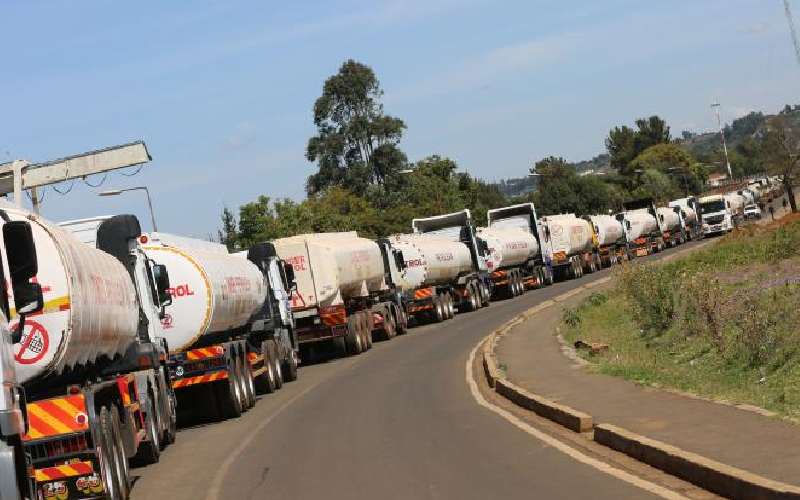
According to official figures released on 27 March 2026, Uganda’s inland fuel reserves remain at comfortable and manageable levels. The country currently holds approximately 81 million litres of petrol, which translates into about twenty-two days of supply cover, while diesel reserves stand at around 80 million litres, enough to last roughly twenty-three days. Aviation fuel, commonly known as Jet A-1, stands at 18.5 million litres, providing about thirty days of cover. These figures indicate that Uganda has enough fuel to comfortably sustain normal consumption patterns through the end of April without facing immediate supply pressure.
Incoming Shipments Strengthen the Supply Buffer
The reassurance becomes even stronger when scheduled deliveries are considered. UNOC confirmed that multiple fuel vessels are already expected to arrive at Mombasa port between the end of March and April, with additional shipments planned through Tanzania’s ports of Tanga, Dar es Salaam, and Mtwara. The expected inflows are substantial and will significantly boost national reserves, ensuring that petrol, diesel, and aviation fuel supplies remain steady for an extended period. With these shipments in transit and supply routes diversified, Uganda is building a strong buffer that will help protect the country from short term global disruptions.
Diversification Strategy Reduces Dependence on the Middle East
Beyond the current stock levels and incoming shipments, the government is also implementing a broader supply diversification strategy. UNOC has adjusted its sourcing approach by working with alternative global suppliers to reduce reliance on Middle East routes that are currently experiencing instability. This strategy is intended to strengthen long-term energy security and ensure continuity even when traditional supply routes face geopolitical challenges. At the same time, authorities continue to closely monitor foreign exchange movements and international crude oil prices, both of which play a major role in determining fuel costs at the pump.
Government Moves to Calm Panic and Misinformation
The press statement also addressed growing misinformation circulating on social media platforms. Officials noted that some of the claims being shared were inaccurate and risked creating unnecessary panic and potential market exploitation. By providing clear data and transparent updates, the government aims to calm public fears and discourage panic buying that can artificially create shortages. The message was straightforward: the fuel supply chain is functioning normally, and there is no need for alarm.
What This Means for Ordinary Ugandans
For transport operators, boda boda riders, farmers, businesses, and the aviation sector, the statement brings a sense of relief and stability. A steady fuel supply reduces uncertainty in transport and logistics planning, supports business operations, and helps maintain confidence in the country’s economic activity. However, the government was careful not to promise stable or reduced pump prices, acknowledging that foreign exchange volatility and global crude oil price movements will still influence what consumers pay at filling stations. This explains why many Ugandans continue to question rising fuel prices even when supply levels remain strong.

A Clear Message on Uganda’s Energy Security
The UNOC press statement goes beyond routine government communication and reflects a deliberate effort to maintain public confidence during a period of global uncertainty. With more than three weeks of available fuel reserves and additional shipments already scheduled, Uganda appears well positioned to manage short term global supply disruptions. The inclusion of contact details for officials at the Ministry and UNOC also shows a willingness to remain transparent and responsive as the situation evolves. For now, the message remains steady and reassuring: Uganda’s fuel tanks are stable, supply ships are on the way, and the country’s energy security framework is working as intended.
Also Read
Uganda Faces Possible Fuel Price Spike After Bahrain Refinery Strike
US Navy Initially Rules Out Escorts for Ships in the Strait of Hormuz
US Issues Temporary Waiver Allowing Limited Russian Oil Sales Amid Global Energy Crisis