The ongoing 2026 Iran war has entered a critical phase, with both sides increasingly relying on deterrence and strategic messaging rather than preparing for a full ground invasion. As the conflict moves into its fourth week in late March 2026, the United States and Israel continue extensive airstrikes on Iranian military and nuclear targets, while Iran responds with missile and drone attacks, threats to regional allies, and disruptions around the Strait of Hormuz.
A major development in recent days is Iran’s claim that it has mobilized more than one million fighters for a potential ground confrontation with the United States, alongside Washington’s decision to send additional troops to the Middle East and ease military recruitment rules. These moves highlight a growing pattern of strategic posturing that could shape how the war unfolds in the coming weeks.
Iran’s Million-Fighter Mobilization
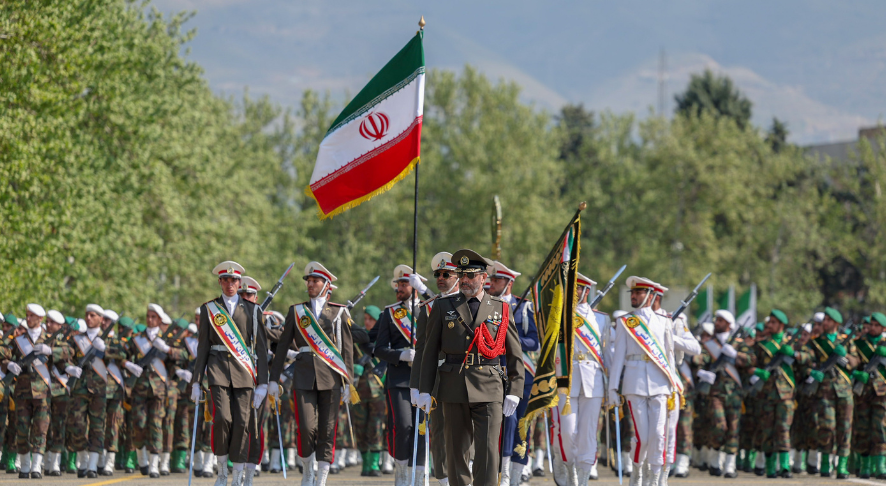
Iran’s announcement, reported by state-affiliated media, states that more than one million combatants have been organized from the regular army (Artesh), the Islamic Revolutionary Guard Corps (IRGC), and the Basij militia to defend the country against any U.S. ground invasion. The mobilization is focused especially on the southern front and is accompanied by claims of a surge in volunteer applications from Iranian youth.
The messaging is clearly defensive and symbolic. Iranian officials describe any potential U.S. invasion as a “historical folly” that would turn Iranian territory into a nightmare for foreign forces. This rhetoric is aimed at strengthening national unity and discouraging direct military entry into Iran.
In practical terms, analysts note that Iran does not have one million fully equipped professional soldiers ready for offensive operations. Instead, the figure reflects a broader mass-mobilization strategy that includes reservists and volunteer militias. The goal is to signal that any ground invasion would be costly, prolonged, and difficult due to Iran’s mountainous terrain, dense urban centers, and strong nationalist resistance.
This strategy mirrors traditional deterrence tactics used by nations seeking to avoid direct invasion by making the potential cost of war appear extremely high.
U.S. Troop Buildup in the Middle East
At the same time, the United States is reinforcing its military presence across the region. Reports indicate that thousands of additional troops, including elements of the elite 82nd Airborne Division and Marine units, are being deployed to the Middle East to support ongoing operations and protect allied interests.
The U.S. already maintains tens of thousands of troops in the region, supported by aircraft carriers, fighter jets, and naval forces. The new deployments do not suggest preparation for a full-scale invasion of Iran, which would require hundreds of thousands of soldiers. Instead, they provide flexibility for limited ground operations, protection of key infrastructure, and support for ongoing air and naval campaigns.
In addition to troop deployments, the U.S. Army has expanded its recruitment pool by raising the maximum enlistment age and easing certain eligibility rules. This move signals preparation for sustained operations and long-term military presence rather than a short, decisive war.
Deterrence and Negotiation Strategy
The simultaneous military buildup by both Iran and the United States reflects a classic deterrence strategy. Iran is emphasizing numbers and defensive readiness to discourage invasion, while the U.S. is demonstrating military strength and operational flexibility to maintain pressure and leverage in negotiations.
This dynamic suggests that both sides are preparing for a prolonged conflict while still leaving room for diplomacy. Iran continues to demand security guarantees and an end to strikes, while Washington maintains pressure through military positioning and strategic deployments.
The result is a tense balance where neither side appears ready for a full ground war, but both are positioning themselves to gain advantage in any future negotiations.
Impact on the War’s Trajectory
The current developments make a large-scale U.S. ground invasion of Iran increasingly unlikely. Iran’s mass-mobilization message raises the potential human and logistical cost of invasion, while the U.S. troop increase appears focused on targeted operations and regional stability rather than occupation.
This points to a war that is likely to remain dominated by airstrikes, naval confrontations, proxy engagements, and economic pressure. The Strait of Hormuz remains a major flashpoint, with global energy markets closely watching developments as disruptions could impact oil supply and international trade.
Recent strikes and retaliatory attacks, including Iranian operations against U.S. bases and regional targets, show that the conflict continues to expand in scope and intensity, increasing the risk of miscalculation or accidental escalation.
A Conflict Shaped by Strategy, Not Invasion
The million-fighter claim and U.S. troop buildup reflect a broader reality of modern warfare: deterrence, messaging, and limited operations often shape outcomes more than direct large-scale invasions. Both Iran and the United States appear focused on strengthening their strategic positions while avoiding a costly ground confrontation.
For now, the war is likely to continue through controlled escalation, targeted strikes, and diplomatic pressure rather than a full occupation of Iran. The coming weeks will depend heavily on negotiations, regional alliances, and whether either side chooses to escalate beyond deterrence into direct ground conflict.