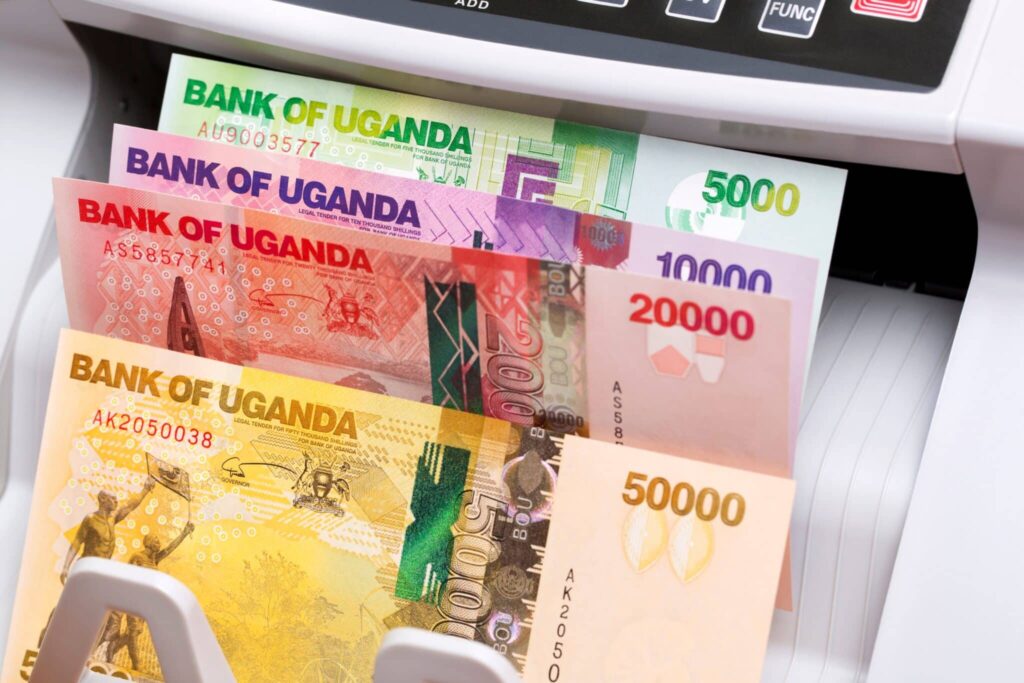
Uganda has reached a major milestone in its economic development after recording its highest export earnings in history. The country generated Shs53.64 trillion, approximately 14.4 billion US dollars, in export revenue during 2025, according to Secretary to the Treasury Ramathan Ggoobi.
The record performance reflects a year of strong growth in Uganda’s external trade sector and signals increasing resilience in the country’s economy. The surge in exports also helped stabilize the Ugandan shilling, narrow the trade deficit, and strengthen the country’s overall balance of payments position.
A major part of the growth came from merchandise exports, which rose sharply to about 13.43 billion dollars in 2025. This represents a significant increase from the 8.67 billion dollars recorded in 2024, marking an expansion of roughly 55 percent within a single year.
When services and other export related income are included, total receipts reached the full 14.4 billion dollar figure, making 2025 a landmark year for Uganda’s international trade.
Gold Leads the Export Boom
Gold emerged as Uganda’s top export earner, generating between 5.8 billion and 6.4 billion dollars during the year. The precious metal accounted for more than 40 percent of the country’s merchandise exports, driven largely by strong global prices and expanding regional trade.
However, analysts note that much of the gold trade involves re exports, meaning the net economic benefit to Uganda remains smaller after accounting for imported raw gold used in the process. Estimates suggest the country may retain about 200 million dollars in actual gains due to limited local value addition and traceability challenges.
Despite these concerns, gold has quickly become a dominant driver of Uganda’s export growth.
Coffee Remains a Key Export
Coffee continued to play a major role in Uganda’s export success. The crop generated approximately 2.4 to 2.46 billion dollars in export revenue during 2025.
As Africa’s leading coffee exporter, Uganda benefited from strong international demand, improved production levels, and favorable market prices. Coffee remains one of the country’s most important agricultural exports and a significant source of income for farmers.
Other Growing Export Sectors
Beyond gold and coffee, several other products contributed to the export expansion.
Cocoa beans generated about 632 million dollars, while manufactured goods have also been gaining momentum, now exceeding one billion dollars annually in export value. Additional contributors included cement, base metals, beans, and other agricultural commodities.
Tourism and remittances also played an important role in strengthening Uganda’s foreign exchange inflows. Each sector generated roughly 1.7 billion dollars, supporting the broader external earnings picture.
The diversification of export sectors reflects deliberate government efforts to expand Uganda’s presence in global markets while promoting industrialization and value addition.
Impact on the Economy
The record export performance has had positive effects on Uganda’s overall economy. Strong external earnings helped build foreign exchange reserves and ease pressure on the national currency.
Uganda’s economy grew by approximately 6.3 percent during the 2024 to 2025 financial year. Economic projections suggest growth could reach between 6.5 percent and 7 percent in the coming years if current momentum continues.
The government has also pursued policies aimed at boosting exports through improved market access, particularly within regional trade frameworks such as the East African Community and the African Continental Free Trade Area.
Challenges Ahead
Despite the strong performance, economists caution that Uganda still faces challenges related to export concentration. Heavy reliance on commodities such as gold and coffee leaves the economy exposed to fluctuations in global market prices.
To address this, authorities are working on measures to improve gold traceability and encourage more domestic value addition. The Bank of Uganda has also explored programs to purchase gold locally to ensure more value remains within the country.
At the same time, policymakers are promoting value added processing in agriculture and manufacturing to broaden the export base.
Looking Toward the Future
The Shs53.64 trillion export milestone represents more than a strong annual performance. It signals Uganda’s growing integration into the global economy and the progress made toward long term economic transformation.
Government planners have outlined an ambitious vision of building a 500 billion dollar economy by 2040, with export led growth, industrialization, and commercial agriculture at the center of that strategy.
As Uganda moves further into 2026, maintaining export growth while expanding value addition and diversification will be key to ensuring that the benefits of this historic achievement translate into broader economic prosperity for the population.