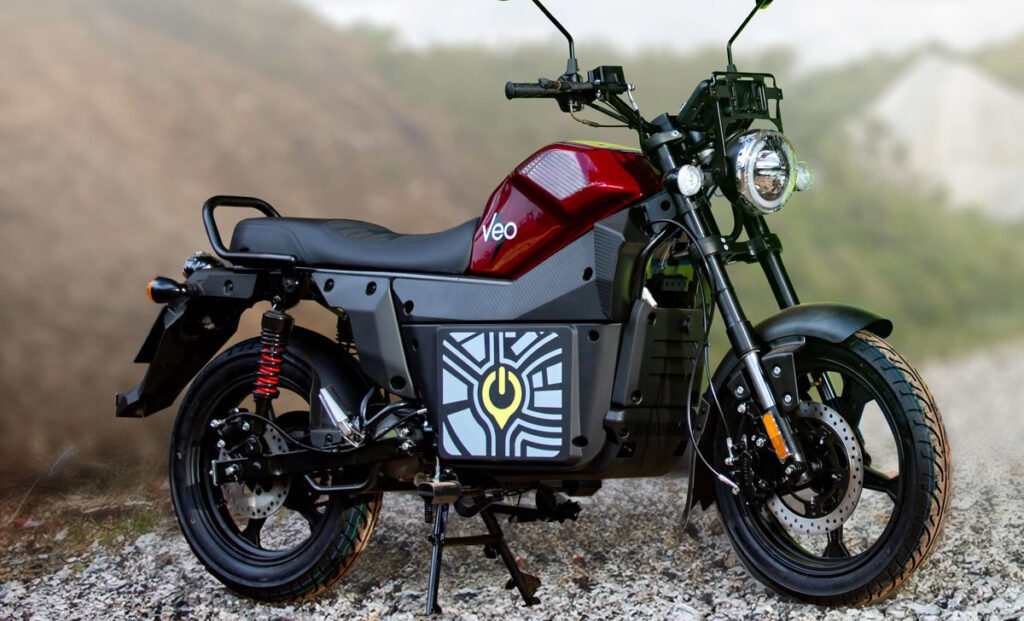
The Ugandan government has signaled strong support for Spiro, a leading electric mobility company, by encouraging the adoption of its electric motorcycles in public sector operations. This move reflects Kampala’s commitment to sustainable transport and aligns with national goals to reduce emissions and promote clean energy.
In early March 2026, Prime Minister Robinah Nabbanja led a high-level delegation to Spiro Uganda’s production facility at the Namanve Industrial Park. During the visit, she praised the company for positioning Uganda as a potential regional hub for electric mobility in Africa. Nabbanja noted that Spiro’s investments complement the government’s long-term strategy to transition public transport systems to electric power by 2030.
The Prime Minister also revealed that President Yoweri Museveni has actively encouraged government ministries, departments, and agencies to explore integrating Spiro’s electric mobility solutions into their operations. The initiative aims to foster cleaner, more sustainable transport while supporting local manufacturing, job creation, and the development of charging infrastructure.
This endorsement ties directly to Uganda’s National E-Mobility Strategy, adopted in 2023, which emphasizes local production, workforce skills development, and reduced reliance on fossil fuels. Spiro’s battery-swapping model and assembly operations in Uganda make it a central partner in achieving these objectives.
In addition, the government—through the National Housing and Construction Company Limited—has allocated 20 acres of land to Spiro Uganda to support the expansion of its manufacturing capabilities. Located in areas such as Bukerere in Kira Municipality, Wakiso District, the land is intended to enable scaled production of not only motorcycles but potentially three-wheelers, taxis, and buses in the future.
This allocation builds on earlier partnerships, including plans announced in 2024 to deploy over 140,000 electric two-wheelers and 3,000 charge-and-swap stations across the country by 2028. Spiro has also engaged with boda boda rider unions and asset financiers to accelerate the transition of informal transport sectors to electric mobility.
By integrating Spiro’s electric bikes into government fleets and supporting the company’s expansion, Uganda aims to lower transport-related pollution, reduce operational costs for public entities, create employment in assembly and related sectors, and position the country as a leader in Africa’s e-mobility transition.
Spiro’s innovative combination of affordable electric motorcycles and a convenient battery-swapping system has made it a strategic partner for Uganda’s environmental and economic ambitions, marking a significant step toward greener, more sustainable transport nationwide.