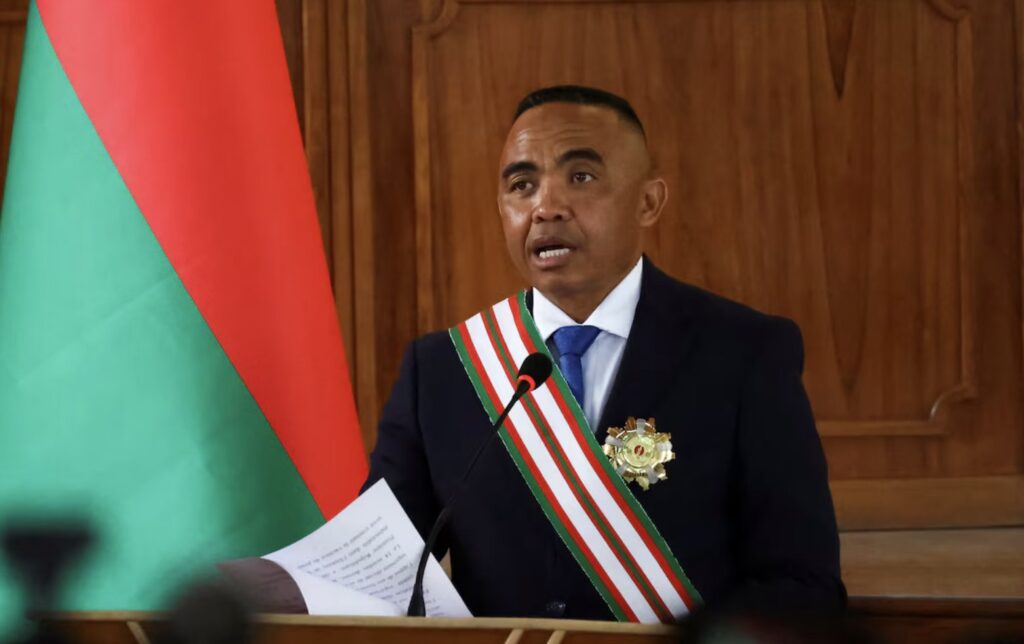
In a sudden and unexpected move, Colonel Michael Randrianirina, Madagascar’s military leader, has dissolved the transitional government he appointed just months ago, effective immediately. The announcement came on March 9, 2026, through an official statement from the presidency.
Abrupt Cabinet Shakeup
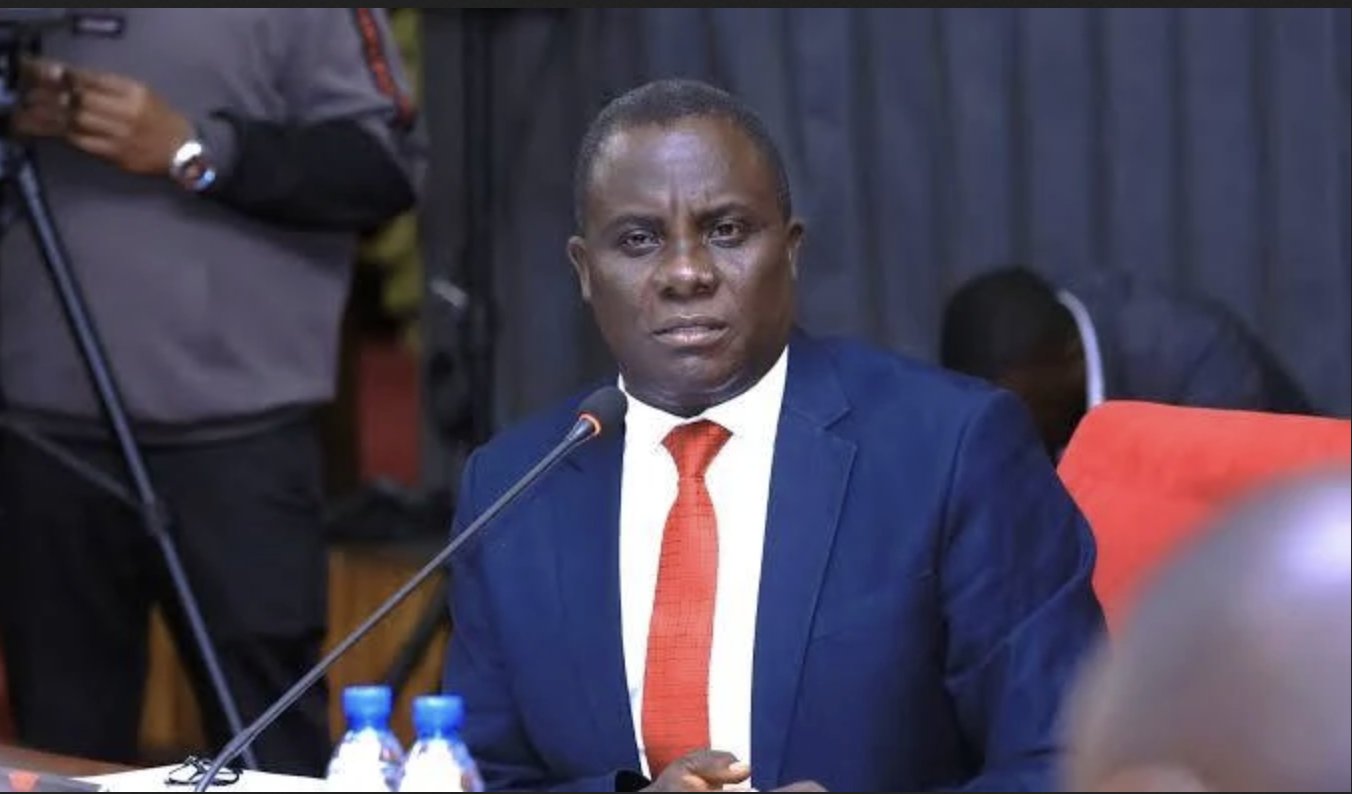
Colonel Randrianirina dismissed Prime Minister Herintsalama Rajaonarivelo and the entire cabinet, citing constitutional authority. Ministry secretaries-general were instructed to maintain day-to-day operations until a new prime minister and cabinet are appointed. No specific reasons were given for the dismissal, but analysts suggest it could reflect internal tensions, policy disagreements, or a move to consolidate military control ahead of promised reforms.
The dissolved cabinet had been a transitional civilian administration installed shortly after Randrianirina assumed power in October 2025, following the ousting of former President Andry Rajoelina.
Context: Rise to Power
Randrianirina rose to prominence amid mass protests in late 2025, led largely by young activists frustrated with poverty, frequent power and water outages, corruption, and limited economic opportunities. The protests gained traction when the elite CAPSAT military unit defected from its historical allegiance to Rajoelina to support demonstrators.
Rajoelina attempted to cling to power by dissolving parliament but was impeached for “desertion of duty” and fled the country. Randrianirina then assumed control with backing from the constitutional court, declaring a military-led transitional government with a two-year roadmap toward new elections. The African Union responded by suspending Madagascar from its membership.
Implications and Uncertainty
This latest cabinet dissolution highlights ongoing instability in Madagascar. The country remains under military rule, facing economic pressures, domestic demands for democratic governance, and international scrutiny. No timeline has been provided for appointing a new prime minister, leaving uncertainty over policy direction and the pace of promised reforms.
Observers note that while the move is framed as constitutional, it underscores the fragility of Madagascar’s political landscape since the 2025 coup. Citizens and international stakeholders will be watching closely for signs of either consolidation of power or steps toward restoring civilian governance.