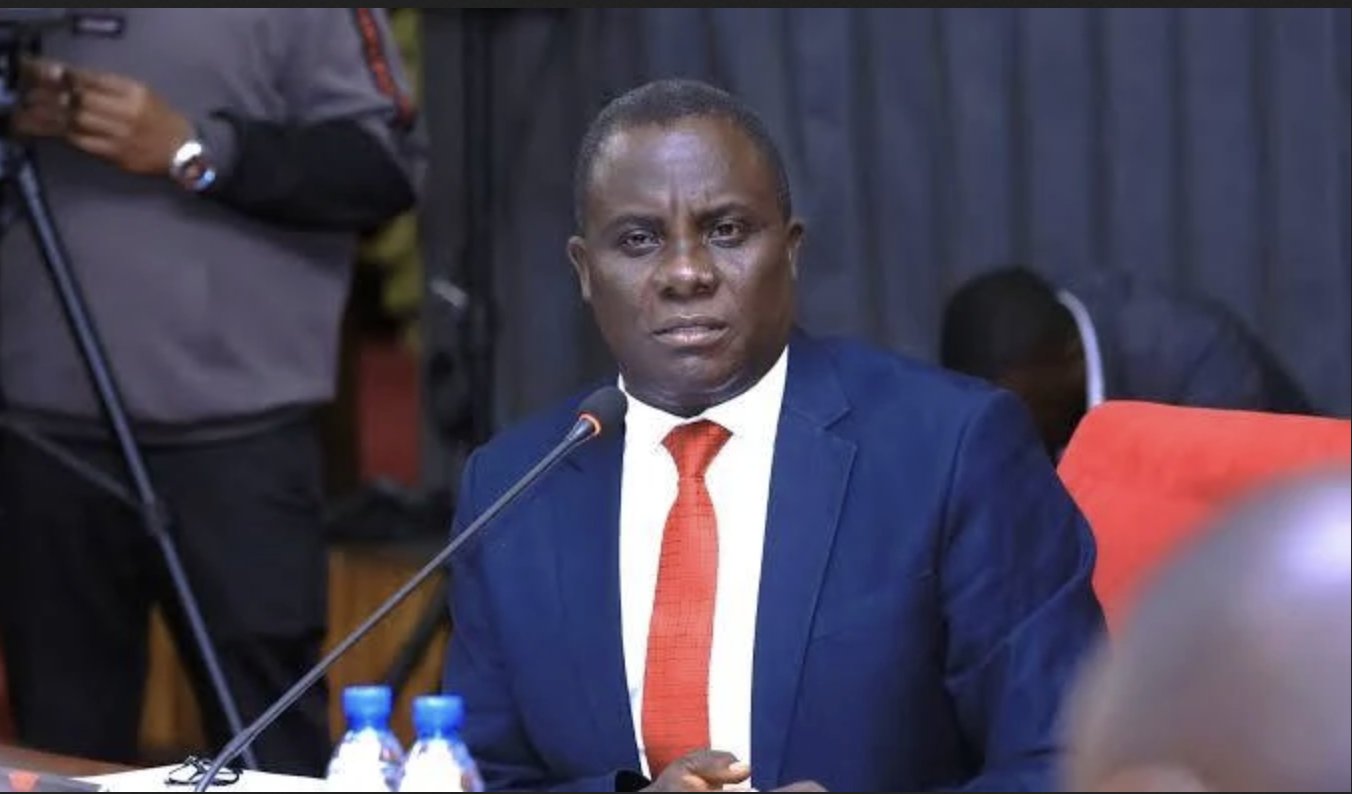
A leaked report circulating in Uganda has sparked debate about the performance of the country’s oil sector regulator, the Petroleum Authority of Uganda, as the nation approaches its long anticipated first oil production.
The document reportedly highlights institutional challenges within the authority, including possible oversight gaps, staffing constraints, and project delays that could have significant financial implications for the country’s emerging petroleum industry.
Rubondo’s Tenure Nears End
The report emerges as the tenure of Ernest Rubondo, the Executive Director of the Petroleum Authority of Uganda, approaches its final phase. Rubondo has led the regulator since around 2016 and is expected to complete his second and final term on August 31, 2026.
During his leadership, the authority has overseen Uganda’s transition from exploration to near production, regulating major projects that form the backbone of the country’s oil ambitions.
These include the Tilenga Oil Project operated by TotalEnergies, the Kingfisher Oil Project led by CNOOC, and the cross border East African Crude Oil Pipeline.
Rubondo’s tenure has often been credited with strengthening institutional capacity, promoting local content participation, and advancing regulatory frameworks in preparation for oil production.
Allegations Highlight Structural Challenges
According to details attributed to the leaked report, several issues have been flagged within the regulator.
These include:
Institutional weaknesses
The report suggests possible gaps in oversight, enforcement, and operational efficiency within the authority.
Project delays
Major upstream and pipeline projects have experienced setbacks due to land acquisition challenges, community resettlement processes, financing hurdles, and legal disputes related to environmental and human rights concerns.
Staff capacity gaps
Shortages of skilled technical staff and potential turnover could be affecting the regulator’s ability to monitor complex oil developments.
Revenue concerns
The report reportedly points to potential financial losses or delayed revenue that could amount to billions due to project slowdowns or missed opportunities.
Delays in Major Oil Projects
Independent assessments have also noted delays in key petroleum projects.
Findings from the Office of the Auditor General Uganda in previous audit reports indicated that progress in several projects had fallen behind earlier projections.
At one stage, the Tilenga Oil Project was reported to be significantly below planned completion milestones, while the Kingfisher Oil Project and the East African Crude Oil Pipeline also experienced execution gaps.
Despite these challenges, government officials and project operators continue to maintain that Uganda remains on track for first oil, which has been targeted around mid 2026.
Leadership Transition Adds Uncertainty
The timing of the leak has drawn attention because it coincides with the ongoing search for a new Executive Director at the Petroleum Authority of Uganda.
The authority began advertising for Rubondo’s replacement in late 2025, setting the stage for a leadership transition during a critical period for the sector.
Some observers suggest the report could influence discussions about the regulator’s readiness as the country moves toward full scale oil production.
High Stakes for Uganda’s Oil Future
Uganda’s oil sector has been decades in the making and is expected to play a major role in economic transformation through revenues, infrastructure investment, and job creation.
Any delays in production could push back anticipated government earnings and place additional pressure on national budgets already expecting future oil income.
At the same time, regulators must ensure strict compliance with environmental, safety, and local content standards as the industry expands.
As Uganda stands on the threshold of becoming a crude oil producer, the debate surrounding the regulator’s performance reflects the high expectations and scrutiny facing the country’s petroleum sector.