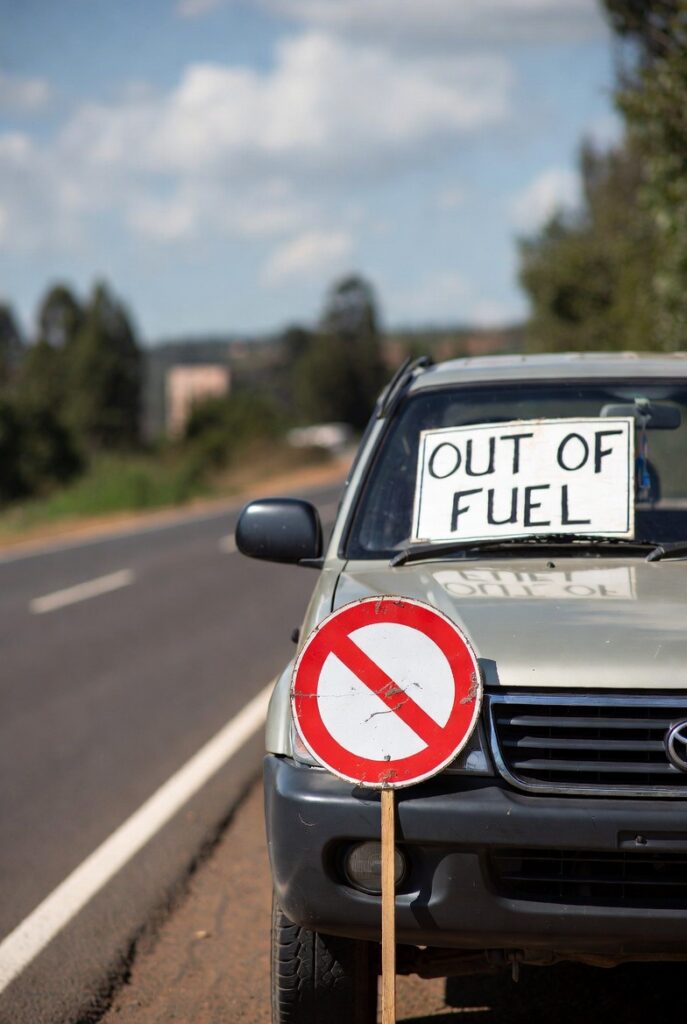
The ongoing conflict involving the United States, Israel, and Iran is beginning to trigger far reaching energy disruptions across the globe, with Bangladesh taking drastic measures to conserve power and fuel.
On March 9, 2026, the government of Bangladesh announced the nationwide closure of all public and private universities, advancing the upcoming Eid al-Fitr holidays as an emergency energy saving measure. Authorities say the decision is intended to reduce electricity consumption and fuel usage as the country grapples with soaring oil prices and supply uncertainties.
Officials say the crisis stems largely from disruptions in Middle Eastern energy supply routes following escalating military strikes and attacks on shipping that have effectively halted tanker traffic through the strategic Strait of Hormuz. The waterway is one of the world’s most critical oil corridors, carrying roughly 20 percent of global crude exports.
Bangladesh Faces Severe Energy Pressure
Bangladesh imports about 95 percent of its energy needs, making it extremely vulnerable to global supply disruptions. With international oil prices surging since the outbreak of the conflict, the government has begun implementing emergency conservation measures.
Authorities are redirecting natural gas supplies to electricity generation plants in order to prevent widespread blackouts. Fuel rationing measures have also been introduced, including limits on fuel purchases and reduced public sector energy use.
Closing universities serves multiple purposes. Apart from lowering electricity demand in large campuses, the move is expected to reduce daily traffic congestion, which significantly contributes to fuel consumption in the densely populated country.
However, the decision affects millions of students and university staff, highlighting the difficult tradeoffs governments face when energy supplies tighten.
Warning Signs for East Africa
The situation unfolding in Bangladesh could offer an early warning for East African economies that depend heavily on imported petroleum.
Countries such as Kenya, Uganda, Tanzania, Ethiopia, and Rwanda rely heavily on fuel shipments originating from the Middle East. Any prolonged disruption around the Strait of Hormuz could significantly increase fuel import costs across the region.
Higher fuel prices would quickly ripple through key sectors including transport, manufacturing, and agriculture, pushing up the cost of goods and services. Many East African economies already face inflationary pressure, and sustained energy shocks could worsen the situation.
Potential Economic Ripple Effects
Several risks could emerge if the conflict continues for an extended period.
Fuel rationing may become necessary in some countries as governments attempt to stabilize supply and protect critical infrastructure such as hospitals and power stations.
Transport costs could surge, affecting exports of major commodities such as coffee, tea, and horticultural products. Countries like Uganda and Tanzania may also see increased costs for imported machinery, fertilizers, and food staples.
For Ethiopia, which relies heavily on foreign currency reserves to finance fuel imports, prolonged high oil prices could place significant pressure on its economy and potentially slow growth.
Urban centers such as Nairobi and Kampala could also face fuel conservation measures. Governments might consider steps such as remote work policies, limits on non essential travel, or reduced operating hours for energy intensive institutions.
Uneven Impact Across the Region
The crisis will not affect all countries equally. Oil producing nations such as South Sudan could experience short term revenue gains from higher global prices.
However, most East African economies are net fuel importers, meaning they are more likely to face rising costs, currency pressure, and widening trade deficits if energy markets remain unstable.
Analysts say the current situation underscores the importance of accelerating investments in renewable energy across the region. Countries like Kenya have already made progress through geothermal and wind energy projects, which can help cushion against global oil shocks.
Still, renewable expansion takes time. In the immediate term, many nations remain exposed to global energy disruptions.
Bangladesh’s decision to close universities illustrates the difficult choices governments may face when energy shortages hit. For many import dependent economies, stability in the Middle East is not just a geopolitical issue but a critical factor for economic survival.