Tensions have flared between the United States and Spain after President Donald Trump threatened to end all trade with the European ally, following Madrid’s refusal to allow U.S. forces to use jointly operated military bases for strikes against Iran.
The dispute unfolded against the backdrop of the ongoing U.S.–Israeli military campaign targeting Iranian sites in early March 2026. Spain, which hosts two major U.S. military installations Naval Station Rota and Morón Air Base declined permission for those facilities to support offensive operations.
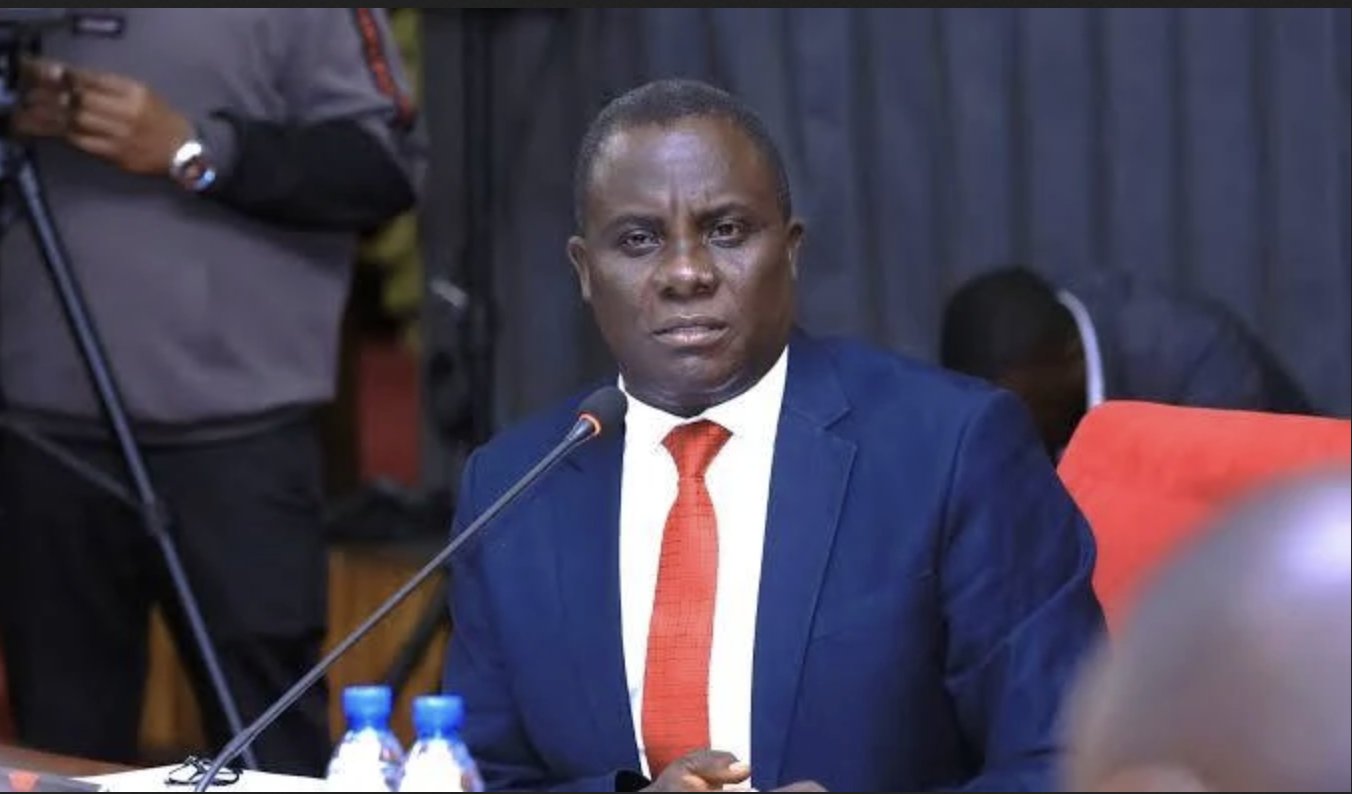
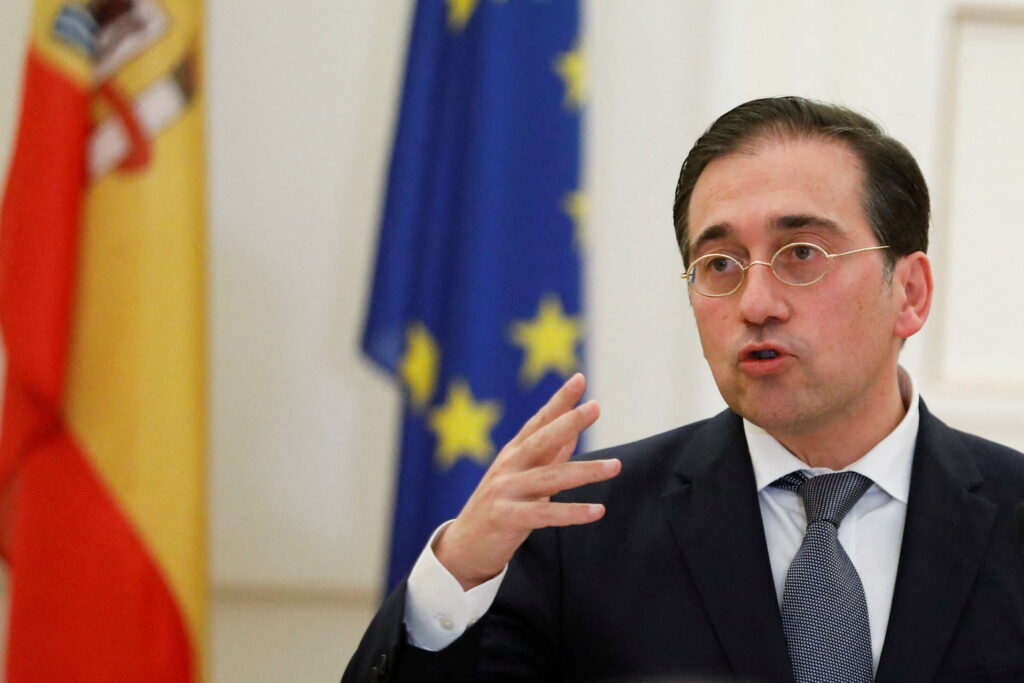
On March 2, Spanish Foreign Minister José Manuel Albares publicly reaffirmed that the bases remain under Spanish sovereignty despite bilateral defense agreements. He stressed that they “will not be used for anything not included in the agreement with the United States or for anything that is not in accordance with the Charter of the United Nations.”
Defense Minister Margarita Robles reinforced the government’s position, stating that no assistance had been or would be provided for strikes on Iran. Spain has described the offensive as an “unjustified and dangerous military intervention,” distancing itself from Washington’s strategy.
Aircraft Relocations Signal Immediate Impact
Following Spain’s decision, at least 15 U.S. aircraft primarily aerial refueling tankers such as KC-135 Stratotankers, were relocated from Spanish bases to other European locations, including Ramstein Air Base in Germany. Flight-tracking data confirmed the movements, underscoring the operational implications of Madrid’s refusal.
The relocation suggests that while the U.S. retains flexibility within NATO infrastructure, Spain’s stance has tangible logistical consequences for American military planning in Europe and the Middle East.
Trump’s Sharp Response
On March 3, during an Oval Office meeting with German Chancellor Friedrich Merz, President Trump publicly criticized Spain’s position. He described the country as “terrible” and “very uncooperative,” accusing Madrid of failing to support U.S. objectives in Iran and resisting calls to increase defense spending under NATO guidelines.
“We’re going to cut off all trade with Spain,” Trump told reporters. “We don’t want anything to do with Spain.” He said he had directed Treasury Secretary Scott Bessent to “cut off all dealings,” framing the threat as retaliation not only for the base denial but also for broader concerns about burden-sharing within NATO.
Economic and Diplomatic Fallout
The threat has prompted swift international reaction. Spanish officials emphasized that trade relations are governed by European Union frameworks and World Trade Organization rules, suggesting that any unilateral U.S. embargo or sweeping tariff regime would face legal and diplomatic hurdles.
Bilateral trade between the two nations amounts to tens of billions of dollars annually. Spain exports products such as olive oil, wine, machinery, pharmaceuticals, and vehicles to the United States, while importing American aircraft, agricultural goods, and technology. Analysts note that a full trade cutoff between two NATO allies would be unprecedented in the modern transatlantic era.
Trump’s remarks also echo his long-standing criticism of NATO members that fall short of agreed defense spending targets. He has previously suggested that allies who do not meet commitments could face reduced U.S. protection or economic consequences.
Uncertain Next Steps
As of March 4, no executive order or formal trade restrictions had been announced. It remains unclear whether the administration intends to impose tariffs, pursue targeted sanctions, or use the rhetoric as leverage in diplomatic negotiations.
The episode highlights widening divisions within NATO over the Iran conflict, with Spain joining other European governments in questioning the legal and strategic basis of unilateral military action. While military cooperation between Washington and European allies continues in other areas, the dispute signals growing strain at a time of heightened global instability.ahead.